2 hrs ago
NASA Scientist Discovers Moon's Largest Newly Formed Crater
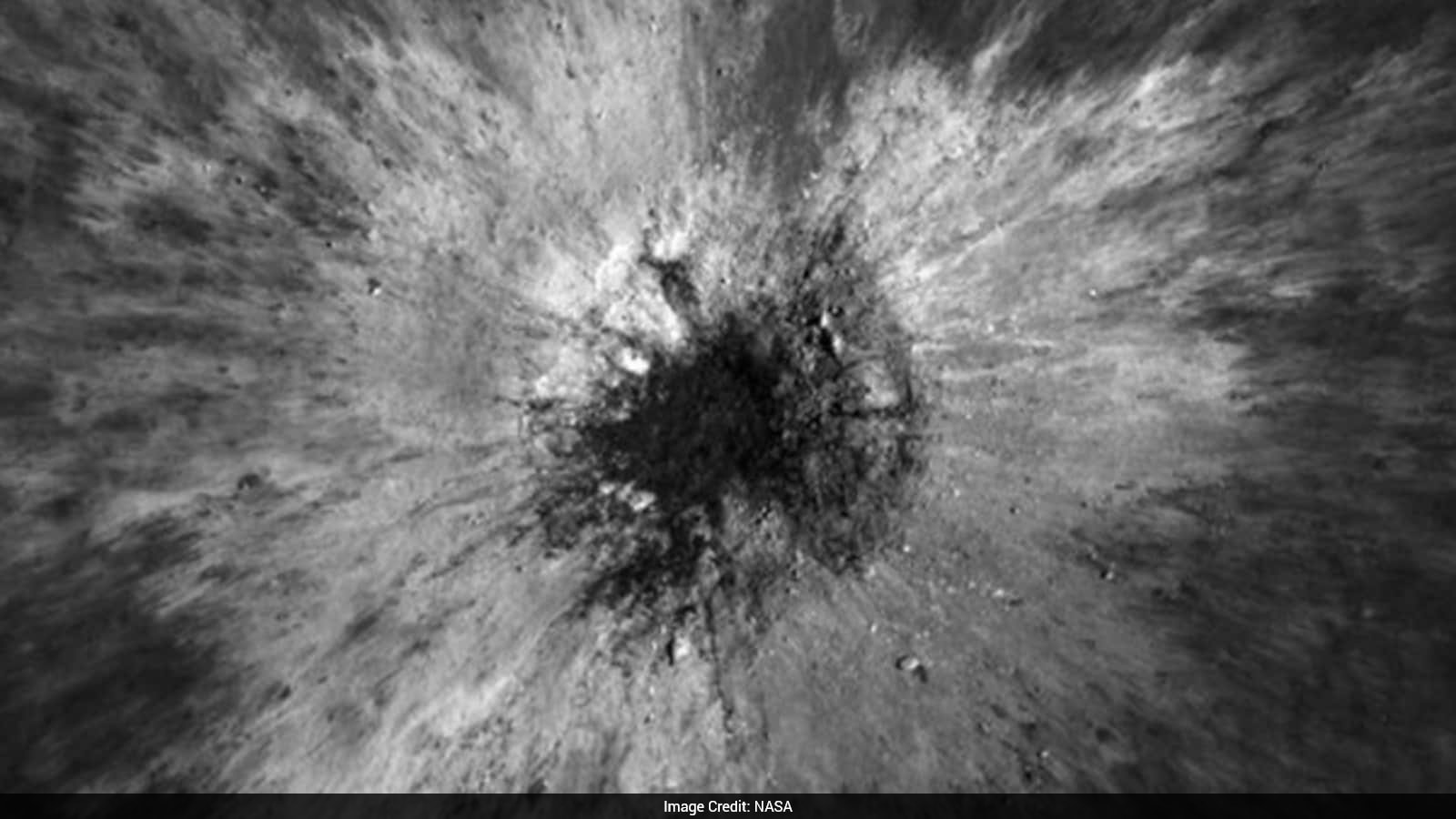
A NASA scientist was looking at pictures of the Moon when he noticed a strange bright spot.
A dark ring around it suggested that something had hit the lunar ground.
He compared older and newer pictures to investigate the change.
He found that a space rock had made a new crater.
The crater formed between April 11 and May 22, 2024.
It is about 728 feet wide, or roughly the length of two football fields.
The object that hit the Moon may have been as large as a three- to six-story building.
Scientists named the crater McGetchin and said impacts this large may happen only about once every century or longer.

Robert Wagner discovered an unusually bright spot with a dark halo while reviewing a Moon map.
The crater, named McGetchin, formed on the Moon’s eastern edge between April 11 and May 22, 2024.
Scientists say a comet or asteroid roughly the size of a three- to six-story building created the crater.
The crater measures 728 feet across, approximately the length of two football fields.
The discovery, reported in Science Advances, is the largest newly formed crater found in the solar system.
- Who
- Robert Wagner, an image-processing specialist from Intuitive Machines working with NASA’s Lunar Reconnaissance Orbiter Camera data, discovered the crater.
- What
- Scientists identified McGetchin, the largest newly formed crater discovered in the solar system.
- Where
- On the eastern edge of the Moon.
- When
- The crater formed sometime between April 11 and May 22, 2024; the discovery was reported in Science Advances.
- Why
- A comet or asteroid approximately the size of a three- to six-story building struck the lunar surface.
Key facts
- Crater name
- McGetchin, named after lunar scientist Tom McGetchin
- Width
- 728 feet
- Formation window
- Between April 11 and May 22, 2024
- Estimated impactor
- A comet or asteroid the size of a three- to six-story building
- Impact frequency
- An impact of this size occurs on the Moon about once a century or longer
- Source of discovery
- Data from NASA’s Lunar Reconnaissance Orbiter Camera system
- Publication
- Science Advances
Sources
Related news
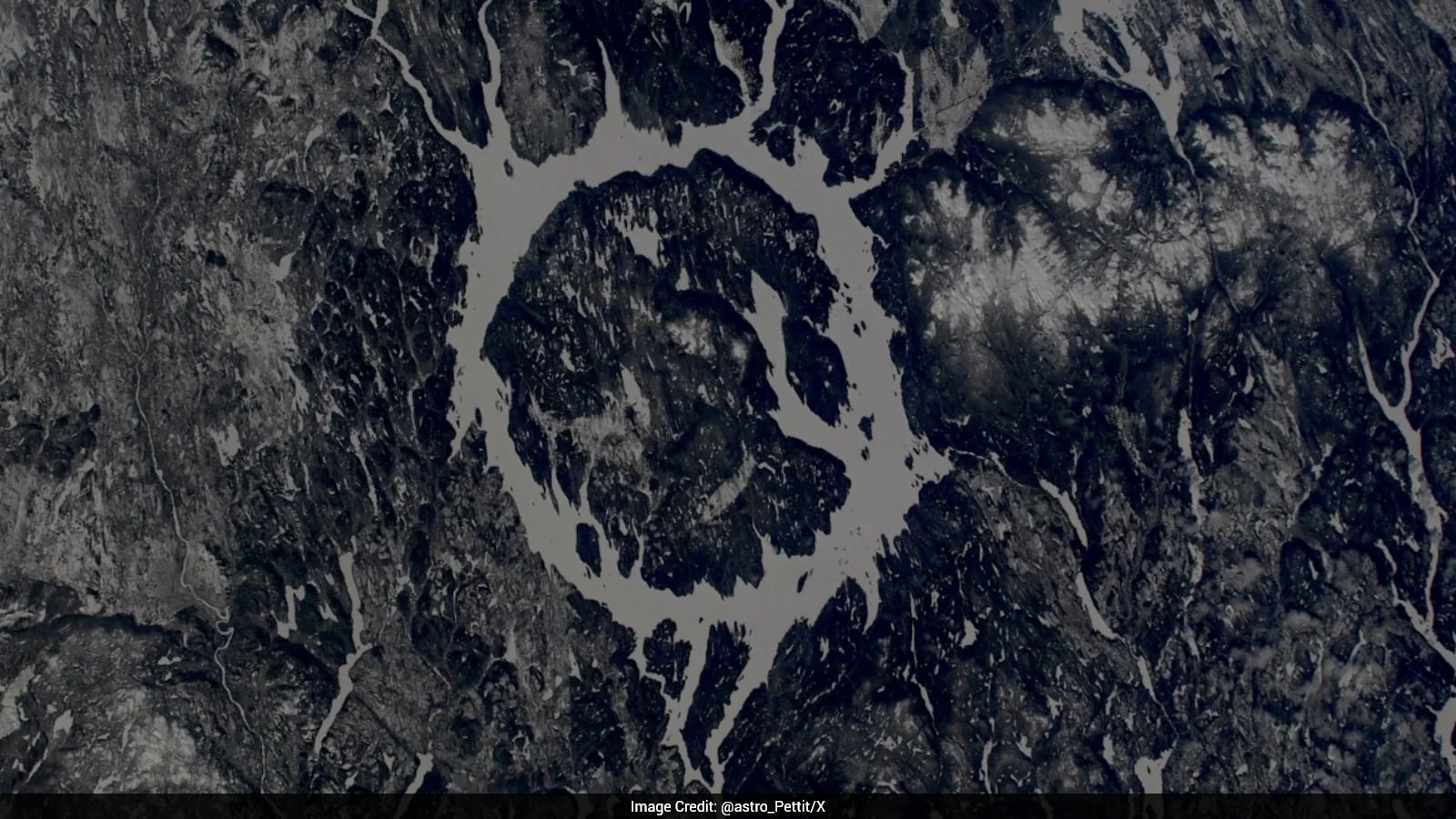
Astronaut Shares Ancient Manicouagan Crater View From Space
NASA and IBM Launch Open-Source AI Model for Moon Mapping
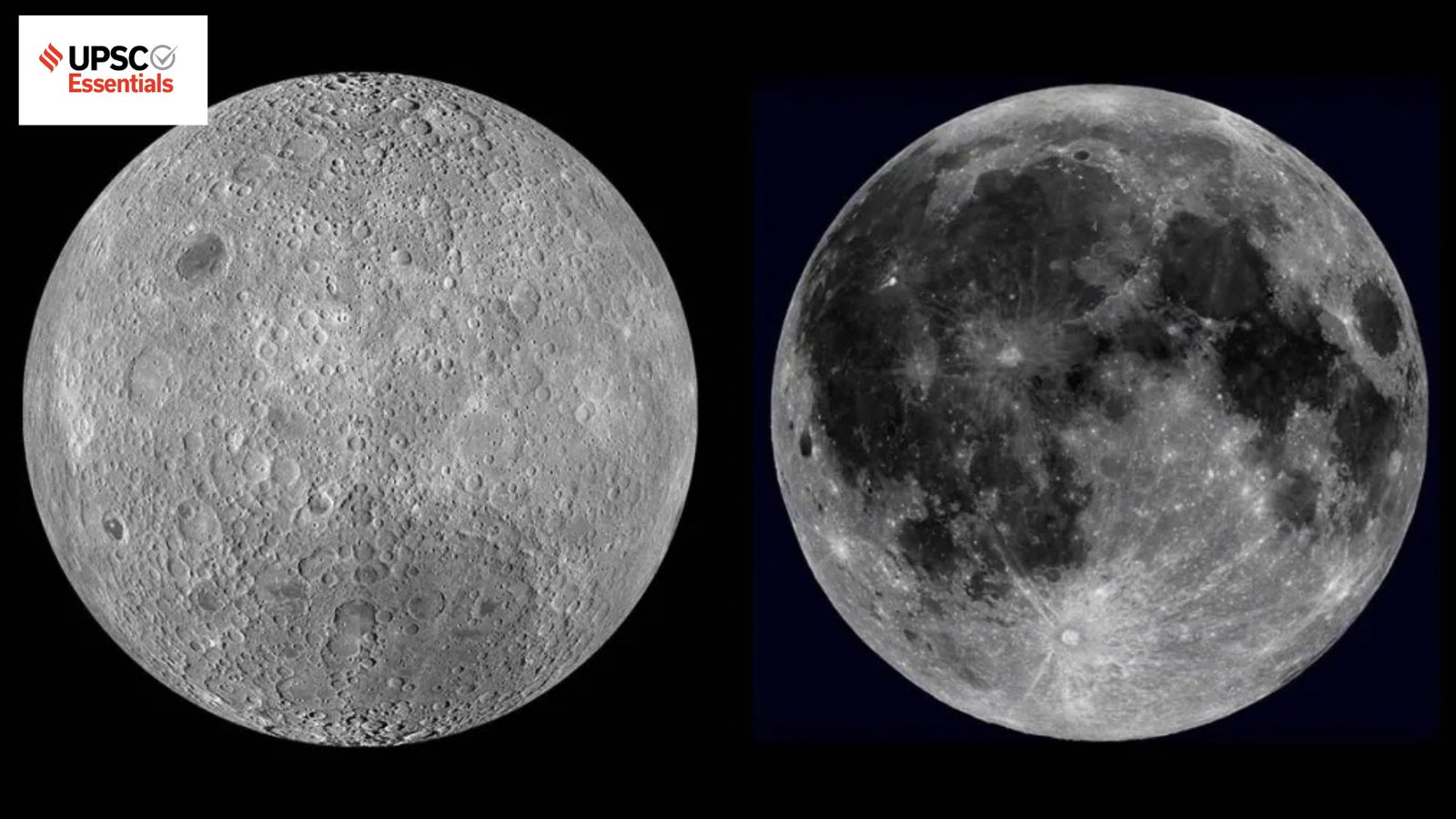
Science Quiz Covers Moon Basins, Space Weapons and Quantum Concepts

NASA Finds Earth Microbes Could Survive Near Moon’s South Pole

New Simulations Suggest Moon Formed Within Five Hours
NASA Finds Broad, Shallow Pits During Curiosity’s Mars Traverse

AMD Expects AI Demand to Grow as Businesses Seek Productivity

India Weighs Lunar Ambitions Amid Rising Space Competition