

1 week ago
Why Indian Cities Need Public Spaces for Everyone
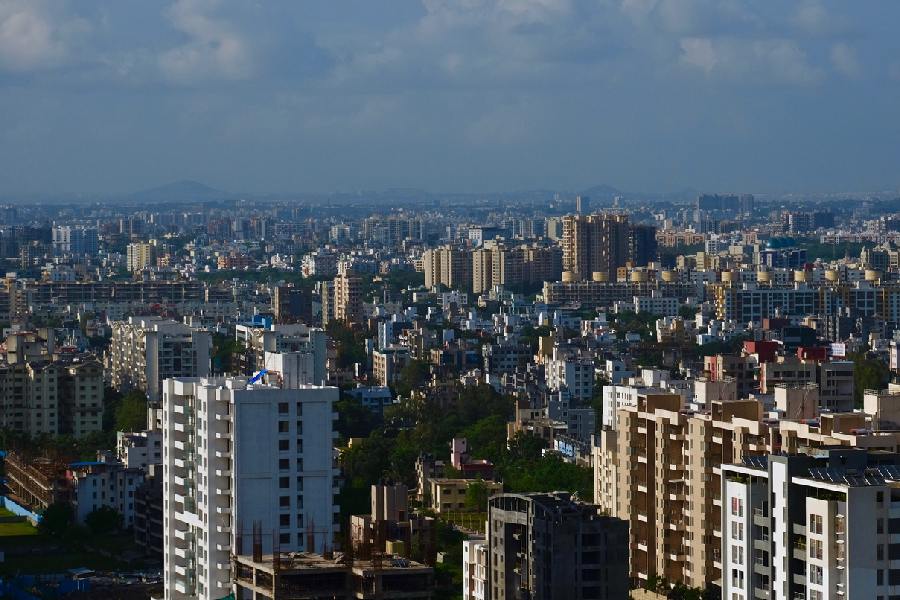
Cities are not healthy only because they have tall buildings, fast trains or new roads.
They also need places where everyone can meet, walk, play and relax.
Parks, libraries, playgrounds and public squares help people from different backgrounds spend time together.
Many growing cities are building private malls, clubs and gated communities instead.
These places can be useful, but not everyone can use them equally.
Public spaces can help reduce loneliness and encourage people to understand one another.
The pandemic reminded people why open and shared spaces matter, but that concern has weakened.
Trees and parks also help cities cope with heat and extreme weather.
Governments and citizens both need to protect and improve these common spaces.

India’s cities are growing wealthier but may be becoming less liveable.
Governments prioritize expressways, airports and commercial districts over parks, libraries and footpaths.
Public spaces help people from different backgrounds interact and develop civic habits.
Private amenities such as malls and gated communities cannot replace shared civic spaces.
Trees, parks and open areas are increasingly important as climate change makes cities hotter and more vulnerable.
- Who
- Governments, urban residents and especially the middle class are central to the debate.
- What
- The article argues that city development should give greater priority to public spaces such as parks, libraries, playgrounds, footpaths and public squares.
- Where
- Indian cities.
- When
- The issue is presented as a current consequence of India’s continuing urban and economic growth; the pandemic briefly renewed attention to public spaces.
- Why
- Shared spaces support social interaction, democratic civic life, public health and climate resilience, but commercial development and private amenities have often received greater attention.
Infrastructure-Led Development
Public-Space-Led Development
How urban progress should be measured
Infrastructure-Led Development
Governments and developers emphasize infrastructure, investment, economic output and property values, including projects such as roads, airports and commercial districts.
Public-Space-Led Development
Urban success should also be judged by walkability, access to parks and libraries, and the quality of pedestrian infrastructure.
Private versus shared amenities
Infrastructure-Led Development
Rising incomes have expanded access to private leisure facilities, including malls, clubs, fitness centres and gated communities.
Public-Space-Led Development
Private facilities cannot replace accessible public spaces that allow people across social and economic groups to interact.
Responsibility for improvement
Infrastructure-Led Development
Governments must correct the imbalance by investing in parks, open areas and community infrastructure rather than focusing mainly on commercial development.
Public-Space-Led Development
Citizens, including the middle class, must also support and use shared spaces instead of retreating entirely into private alternatives when public spaces deteriorate.
Key facts
- Main concern
- Economic growth and infrastructure expansion have not necessarily made Indian cities more liveable.
- Often-prioritized projects
- Expressways, airports, flyovers and commercial districts.
- Overlooked amenities
- Parks, libraries, playgrounds, footpaths and public squares.
- Social role
- Public spaces enable encounters among people of different backgrounds, occupations and incomes.
- Private alternatives
- Malls, exclusive clubs, fitness centres and gated housing complexes have expanded alongside rising incomes.
- Pandemic lesson
- The pandemic briefly highlighted the value of accessible public spaces.
- Climate importance
- Trees, parks and open areas are described as environmental necessities as cities become hotter, denser and more vulnerable to extreme weather.
Sources
Related news

127 Mumbai Architects Urge Government to Protect City's Open Spaces

Mumbai Went Vertical as DLF Urged Smarter Cities Before 2047
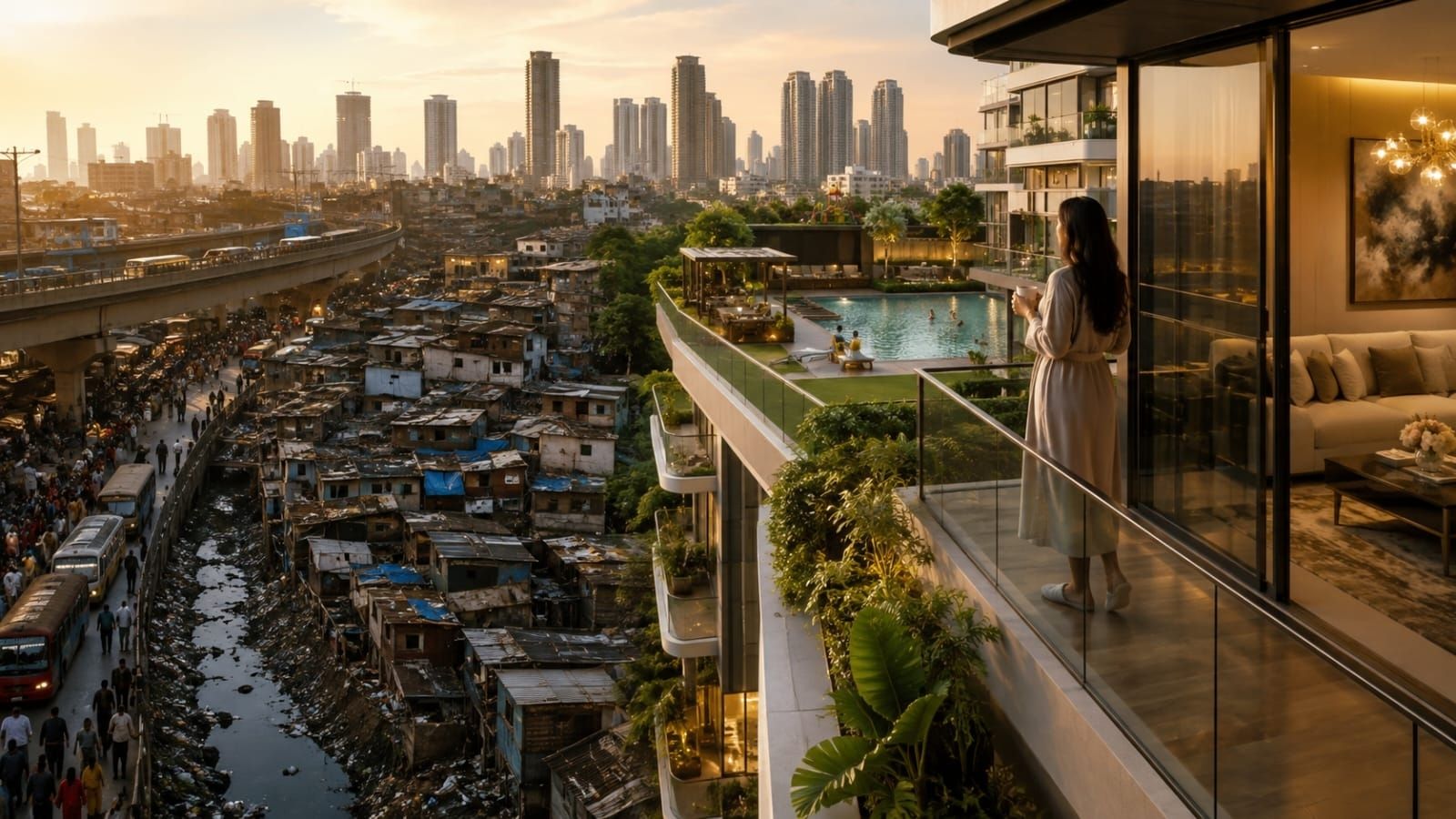
India Premium: Luxury Real Estate Offers Escape From Broken Cities

Maharashtra Congress Launches Group to Address Urban Problems
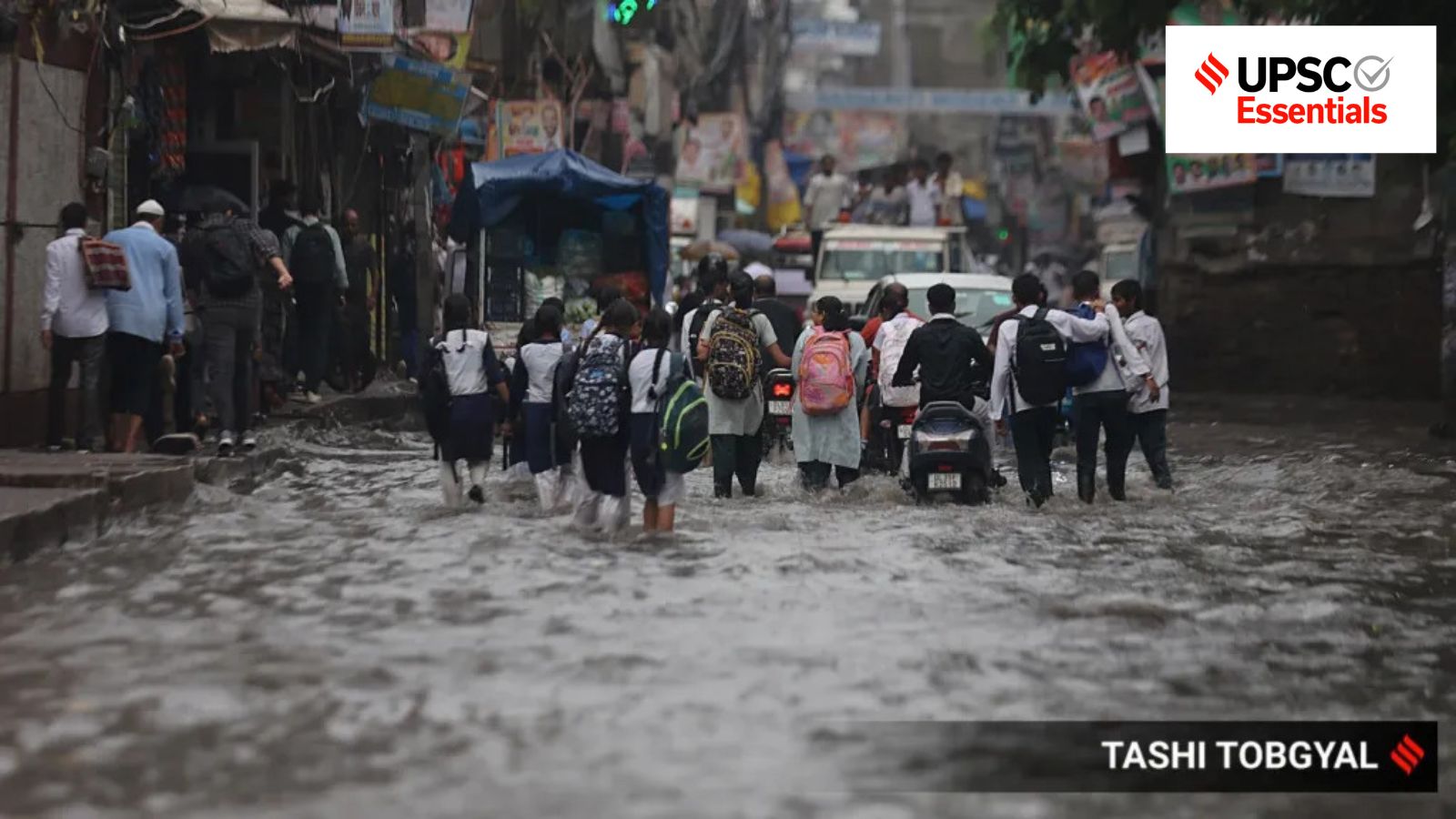
Climate-Resilient Urban Planning Could Make India’s Cities Safer
Delhi Government Partners With Private Sector for Urban Makeover

Readers propose stronger, wider, more resilient Indian GCC growth
India’s GDP Paradox: Strong Growth, Uneven Economic Reality
India Rejects PCA Orders in Indus Waters Treaty Dispute
BTS India Debut May Join ARIRANG Tour in March 2027
India’s Wind Pipeline Signals Sharp Capacity and Manufacturing Surge
