1 week ago
Mumbai Went Vertical as DLF Urged Smarter Cities Before 2047
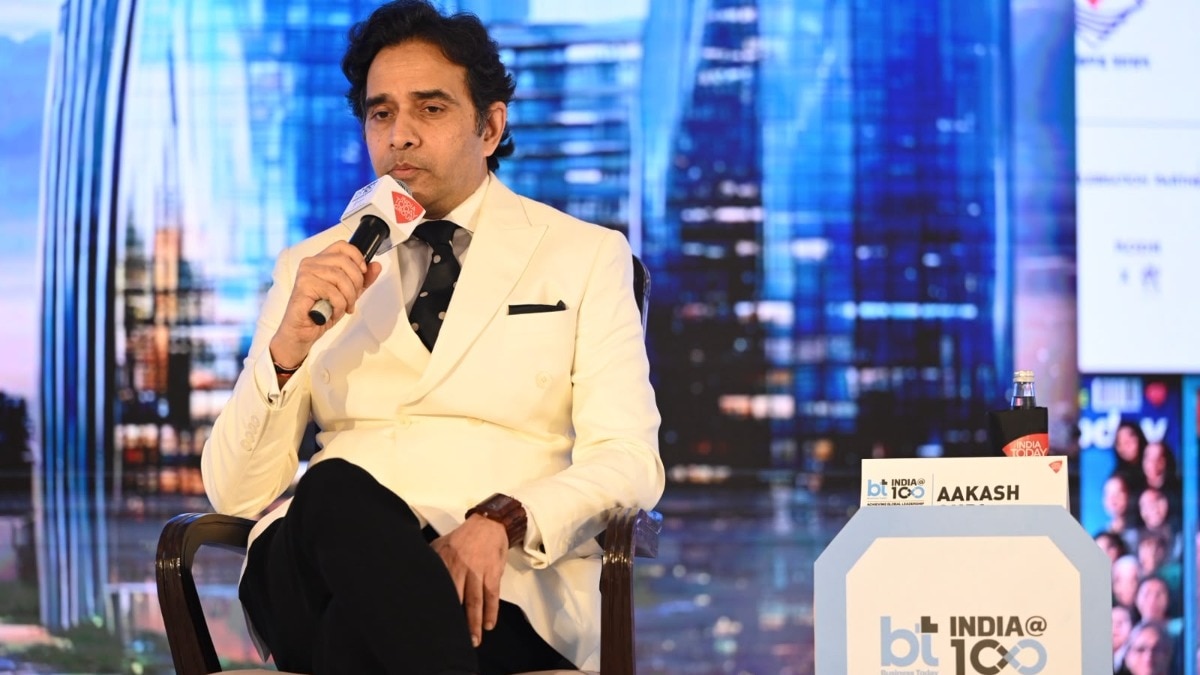
India’s cities are growing because more people are moving to them.
Aakash Ohri of DLF said this growth cannot be stopped, so it must be planned carefully.
He suggested building smaller towns around large cities and connecting them with good transport.
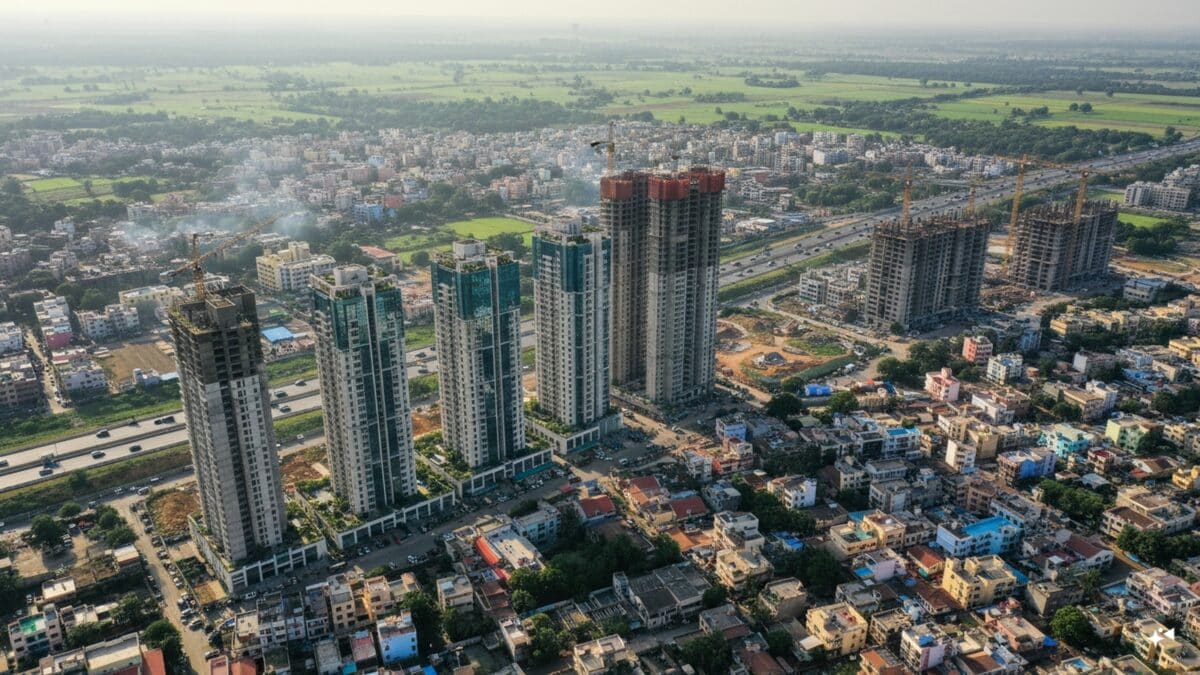
He said Mumbai had to build upward because it has limited space.
Other cities may have more room, but they still need parks, clean air and recycled water.
He pointed to DLF’s private metro network in Gurgaon as an example of private infrastructure support.
He also said governments and companies need better systems for collecting waste.
Long-term planning is difficult because projects can take decades.
Ohri suggested tying company leaders’ bonuses to environmental results so sustainability becomes a real responsibility.

Aakash Ohri said urbanisation is inevitable and India must plan for it rather than resist it.
He called for satellite feeder towns linked to major cities by strong mobility systems and infrastructure.
Ohri cited DLF’s private metro network in Gurgaon and other public-private projects as possible models.
He said waste collection, governance, parks, clean air and recycled water require consistent long-term execution.
Ohri proposed linking corporate bonuses to measurable sustainability outcomes through stringent policies.
- Who
- Aakash Ohri, a DLF executive, discussed India’s urbanisation and infrastructure needs.
- What
- Ohri outlined how Indian cities should prepare for rapid urbanisation before 2047.
- Where
- The discussion covered Indian cities, including Mumbai and Gurgaon, and cited international examples in New York, London and Singapore.
- When
- The remarks addressed planning through 2047; the article also referenced DLF projects since the 1990s and a 2012 tree-transplantation effort.
- Why
- India faces migration toward cities, while existing urban infrastructure and the number of major metropolitan destinations may be insufficient.
Key facts
- Urbanisation
- Ohri described urbanisation as inevitable, while saying how development is managed remains a choice.
- Proposed model
- Satellite feeder towns should have strong mobility links and supporting physical infrastructure.
- DLF example
- Ohri cited DLF’s private metro network within Gurgaon and the Ragvendra Marg project.
- International examples
- Hudson Yards, Canary Wharf and Singapore’s private-led development model were cited as public-private partnership examples.
- Green record
- DLF has incorporated parks into every sector it developed since the 1990s, according to Ohri.
- Tree transplantation
- Ohri said DLF’s 2012 tree-transplantation exercise had a success rate of more than 99%.
- Accountability proposal
- Ohri suggested tying corporate bonuses to sustainable outcomes through stringent policies.
Quotes
Aakash Ohri
DLF executive discussing India’s urbanisation and metropolitan infrastructure
“Because today, when you look at it, with the kind of migration that is happening, uh, on one hand we are talking about India being a trillion economy, on the other hand, we only have six metros to talk about.”
 businesstoday.in
“Unlike Mumbai, there are a lot of, cities in India which don't need to go vertical.”
businesstoday.in
Sources
Related news

Urbanisation key to India's developed nation goal by 2047: Panagariya

Climate-Resilient Urban Planning Could Make India’s Cities Safer

No new Gurgaon needed; make the existing Gurgaon actually work
Centre Reviews Gurugram Metro and Sewerage Projects Amid Waterlogging
MMRDA, Surbana Jurong Sign Pact to Plan Mumbai 3.0 Master Plan
Why 40- and 50-Storey Towers Are Rising in Tier-2 Cities