2 weeks ago
CJI Urges Law Universities to Lead Legal Tech Integration
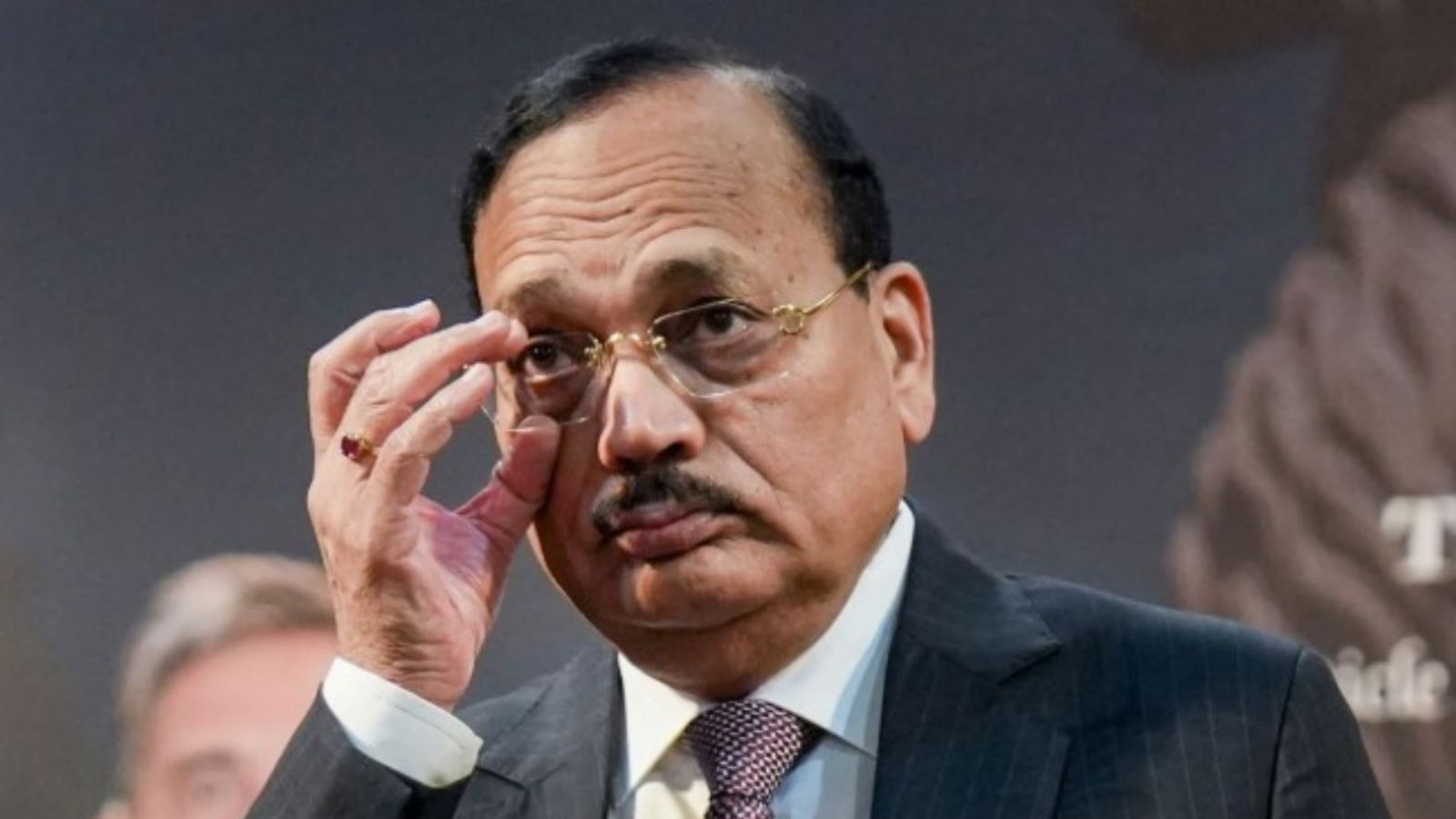
The Chief Justice of India gave a speech to the leaders of law schools, who are called Vice Chancellors.
Law schools are where people go to learn how to become lawyers and judges.
He told them that law schools should not just wait for technology to change.
Instead, they should help decide how technology is used in courts and in teaching law.
He talked about smart computer tools called generative AI that can write text and find answers very fast.
He said these tools should not be banned from law schools.
But he wants teachers to watch carefully how students use them, so that learning stays honest and fair.
Students should learn to check the answers and think for themselves instead of just trusting the computer.
He said technology should make justice faster, but it should never make justice less fair.

Chief Justice of India Surya Kant urged national law universities to take a leadership role in shaping technology's integration into the legal system rather than merely responding to it.
He rejected an outright ban on generative AI in legal education, advocating transparent, supervised use in classrooms.
He said academic integrity and the responsible use of artificial intelligence must become core components of curriculum and pedagogy.
He argued graduates must be trained to question assumptions, verify conclusions and exercise independent judgment when using technological tools.
He called for collaboration among National Law Universities and research on algorithmic accountability, data protection and digital access to justice.
- Who
- Chief Justice of India Surya Kant, addressing Vice Chancellors at the Vice Chancellors' Conclave 2.0
- What
- Urged law universities to lead, not merely respond to, technological change including generative AI in legal education, with justice, fairness and human judgment at the core
- Where
- National Law University, Jodhpur
- When
- Sunday, at the second edition of the Vice Chancellors' Conclave
- Why
- To ensure the legal profession shapes technological change rather than adapting after it occurs, and so innovation makes justice faster but never less fair
Ban Generative AI in Law Schools
Supervised Use of Generative AI
Generative AI in Legal Education
Ban Generative AI in Law Schools
There is a 'defensive instinct' to keep newer generative tools out of the classroom altogether, driven by concerns that students could become dependent on AI, lose the ability to construct arguments independently, or mistake convincing-looking answers for accurate ones - supporting outright prohibition.
Supervised Use of Generative AI
Chief Justice of India Surya Kant rejects outright prohibition, arguing that an institution that resists the inevitable only forfeits its role in shaping it; the better approach is to bring the tools into the classroom in a transparent, supervised manner so students learn to use them appropriately and ethically.
Key facts
- Speaker
- Chief Justice of India Surya Kant
- Event
- Vice Chancellors' Conclave 2.0 (second edition)
- Venue
- National Law University, Jodhpur
- Theme
- Legal Technology and its Roadmap: Positioning Law as a Leader in Legal Technology
- Stance on Generative AI
- Transparent, supervised classroom use; no outright prohibition
- Curriculum Priority
- Academic integrity and responsible use of AI
- Research Focus
- Algorithmic accountability, data protection, digital access to justice, technology and dispute resolution
- Core Principle
- Innovation should make justice faster but never less fair
Quotes
Chief Justice Surya Kant
Chief Justice of India
“"the responsibility of our law schools therefore is not simply to familiarise students with new tools, but to equip them with the judgement, adaptability and ethical grounding needed to use those tools responsibly in whichever sphere they enter"”
 indianexpress.com
“"Academic integrity and the responsible use of artificial intelligence must become important components of curriculum and pedagogy. Change of this nature does not wait for institutional comfort."”
 rediff.com
Sources

Related news

India’s Education System Faces an Uneasy AI Reckoning
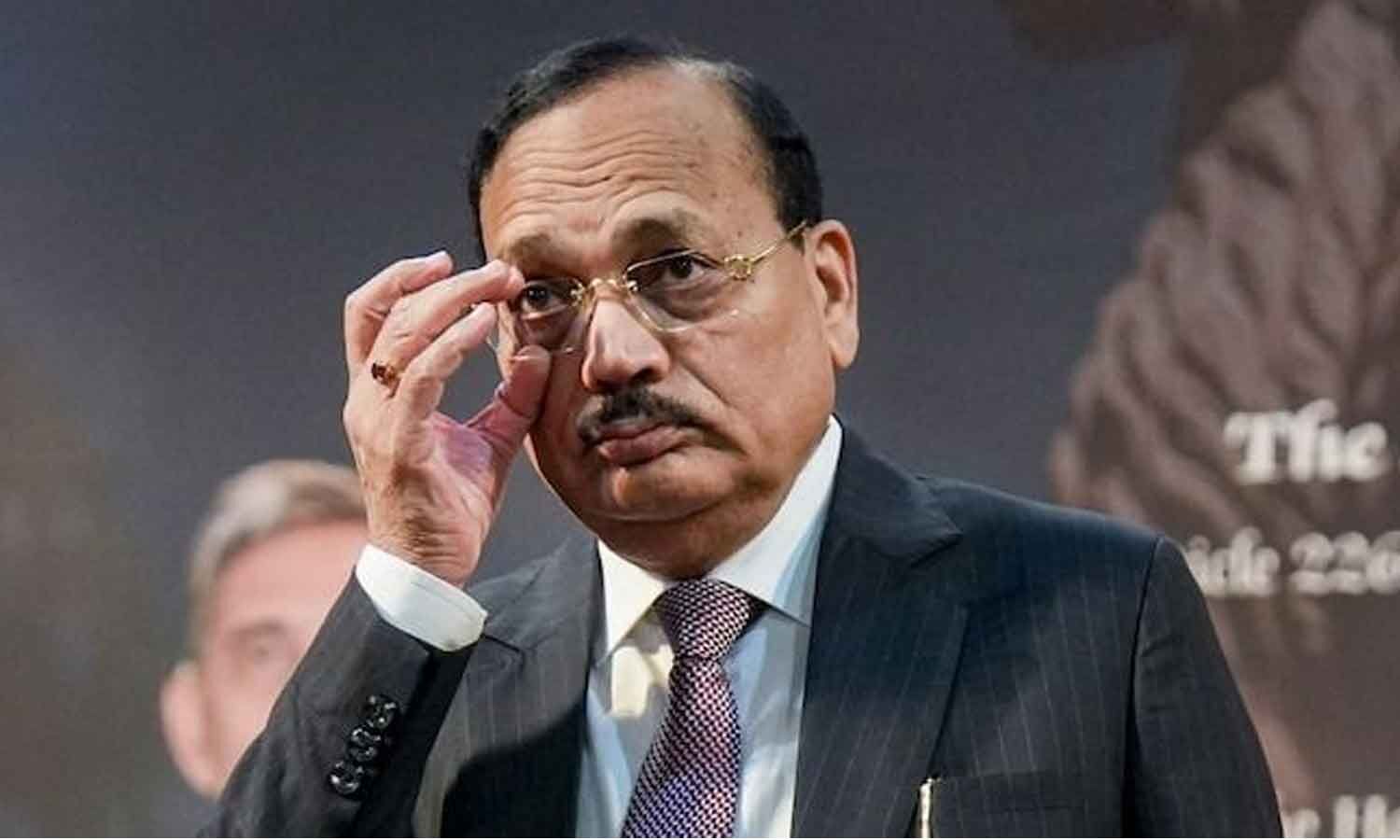
India’s Chief Justice Sets Limits on AI in Courts
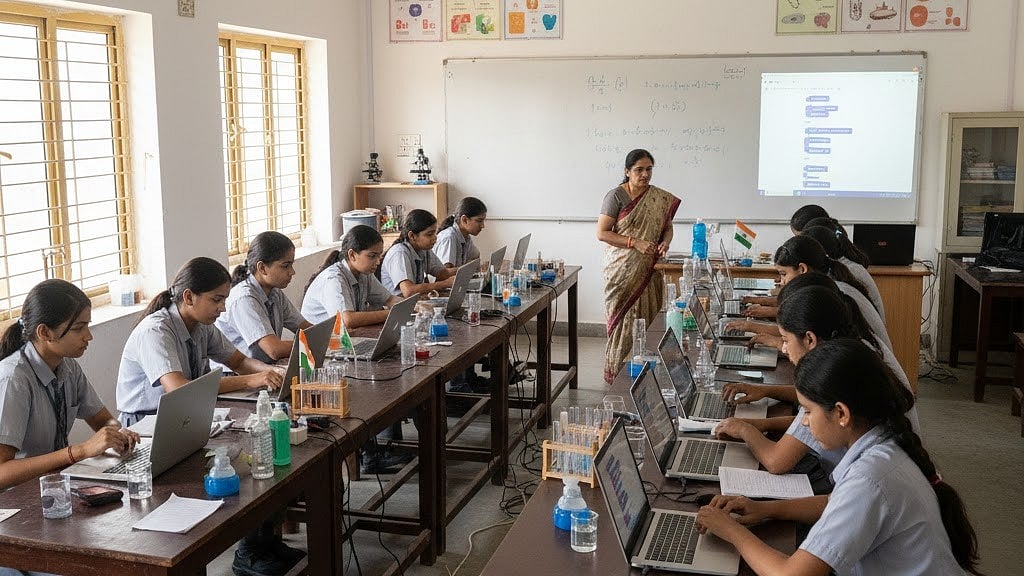
India’s AI Education Push Exposes Readiness and Governance Gap
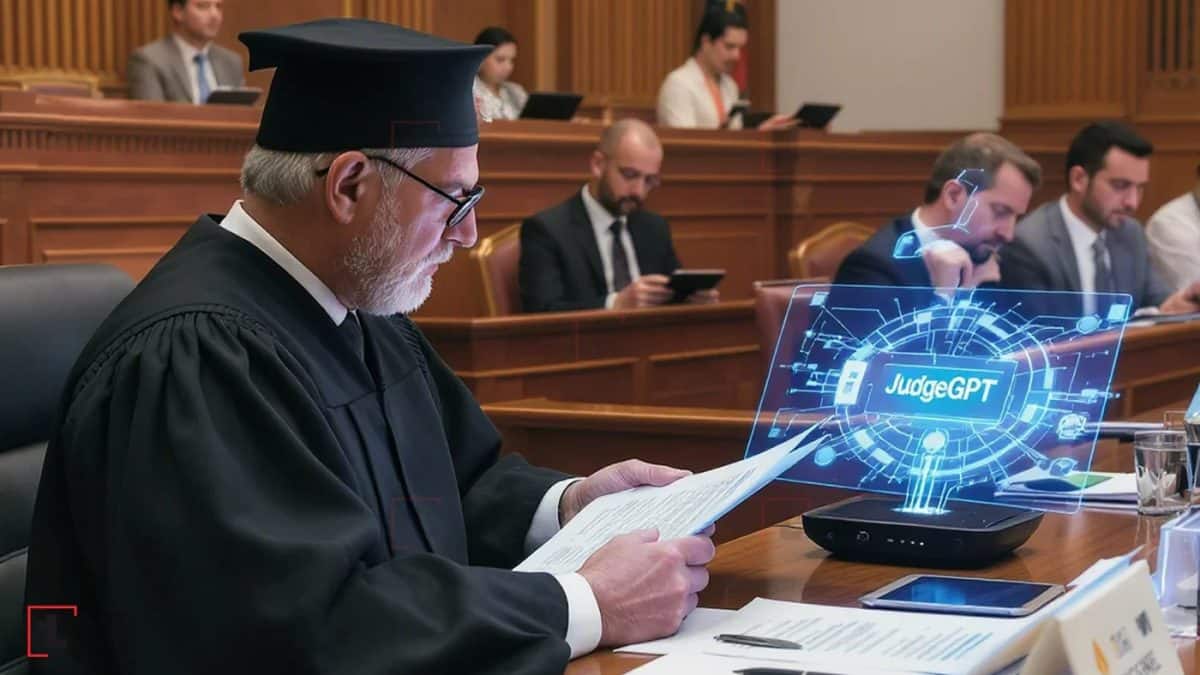
JudgeGPT Trial Shows AI’s Potential to Speed Judicial Justice

NALSAR Enrolment Row Tests Limits of Judicial Respect
Justice Nagarathna Urges Bar Councils to Rebuild Professional Trust
Supreme Court Limits Manan Mishra’s Pro Tem BCI Role

Supreme Court Allows Oil India Fresh Plea On Drilling
Supreme Court Orders BCI Consultation on Policy Decisions

India Compresses Professional Training Across Law, Science, and Medicine
Twenty NCPI MPs Seek Extension in TMC Disqualification Case