

2 days ago
India’s Education System Faces an Uneasy AI Reckoning

India’s schools and universities are trying to decide how to use artificial intelligence.
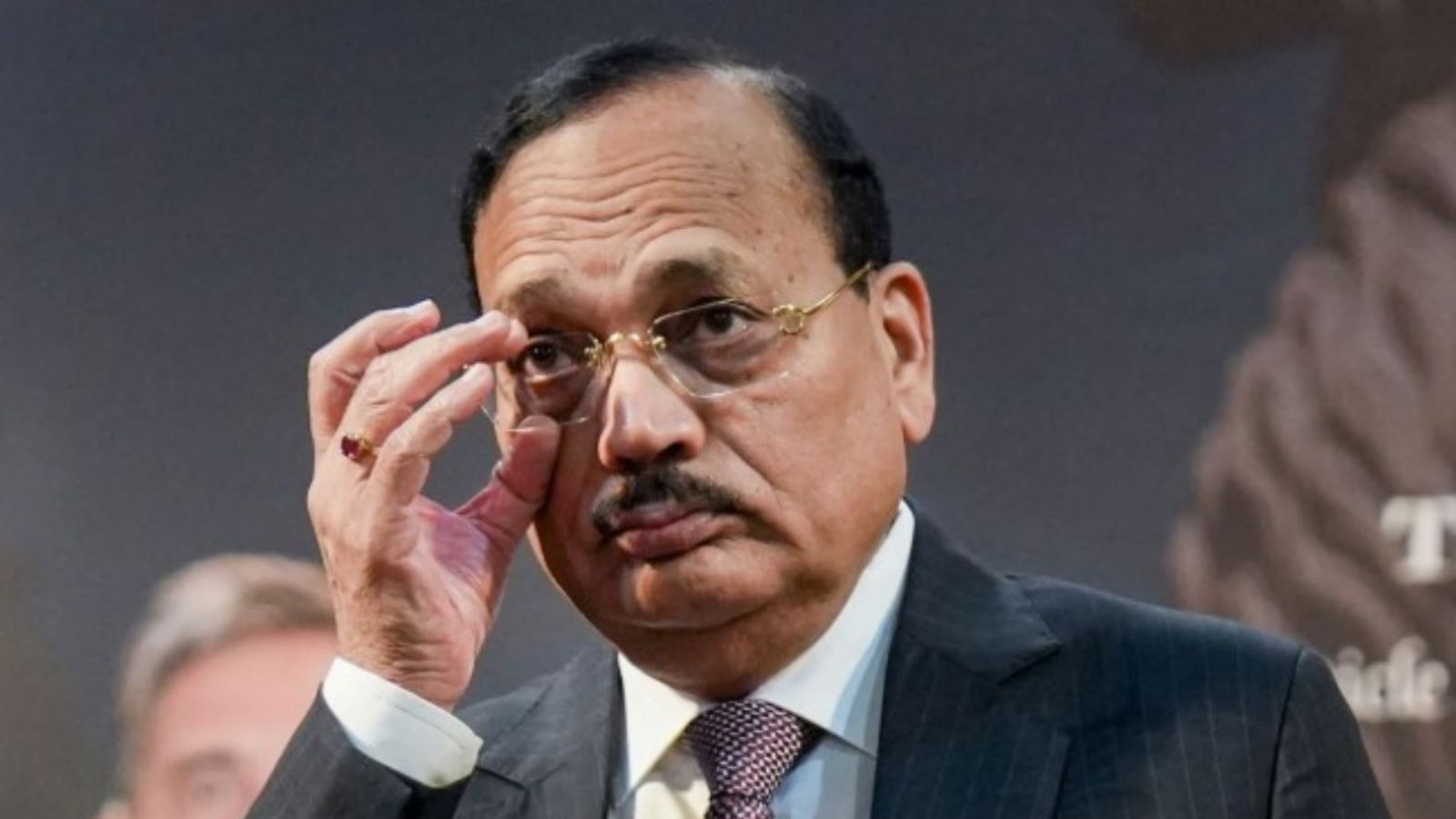
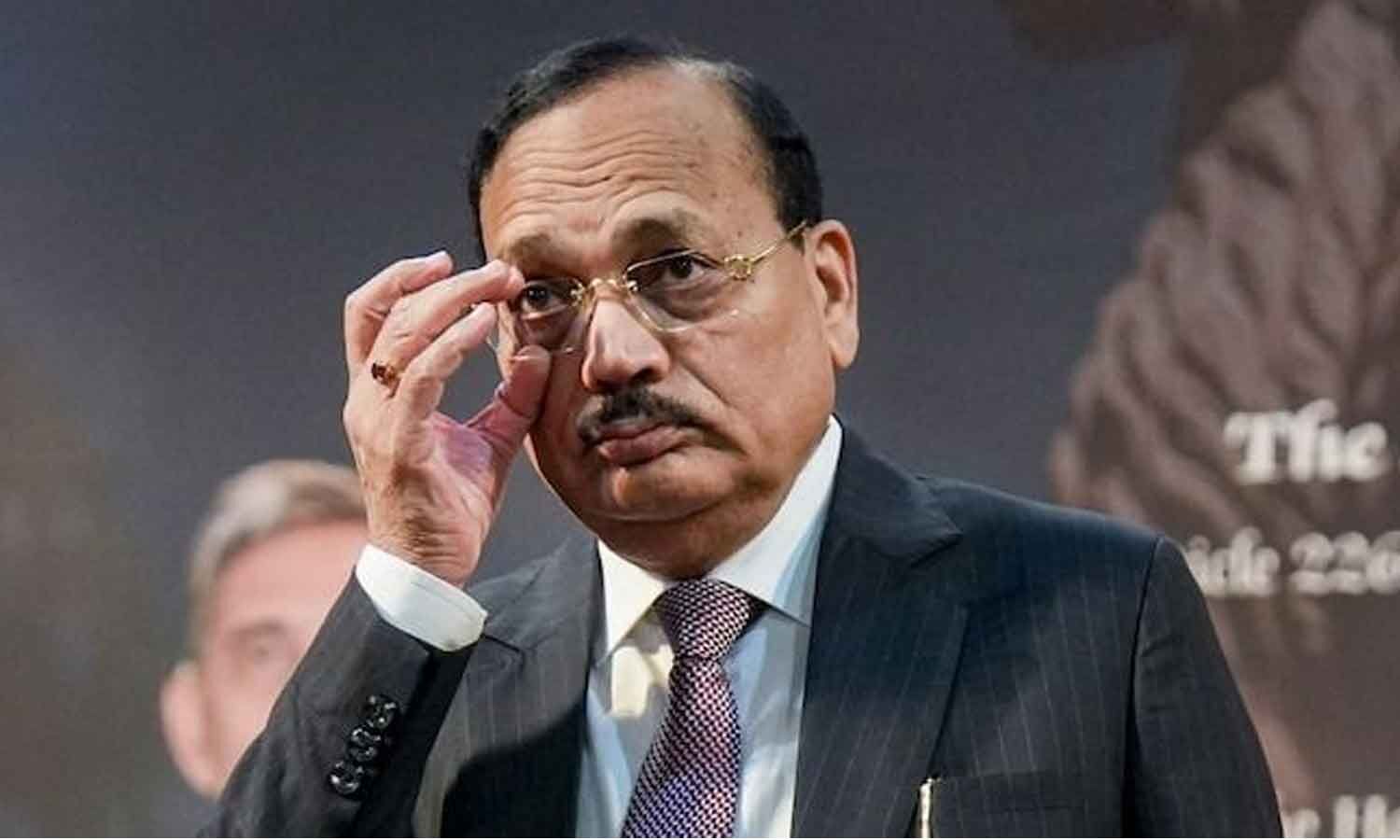
Chief Justice Surya Kant said law schools should teach students to use AI carefully instead of banning it.
AI can help with research, drafting, and other legal work.
However, students might trust answers that sound correct but are actually wrong.
Schools therefore need to teach students when to use AI and when to rely on their own judgment.
The government is spending large amounts of money to build AI systems and include AI in education.
Rules are still being designed, and many institutions must create their own safeguards.
The main challenge is making sure AI helps students without replacing their thinking or increasing inequality.

Chief Justice of India Surya Kant urged law schools to adopt generative AI rather than prohibit it.
He warned that dependence on convincing but legally unsound AI outputs could weaken students’ independent reasoning.
The 2026-27 Union Budget allocated more than Rs. 1.39 lakh crore to the Ministry of Education.
The IndiaAI Mission, with an outlay exceeding Rs. 10,000 crore, is developing infrastructure and indigenous foundational language models.
The article argues that AI adoption must preserve human judgment while addressing unequal access and weak regulatory guardrails.
- Who
- Chief Justice of India Surya Kant, India’s education institutions, and government agencies involved in AI policy.
- What
- India is considering how to integrate generative AI into education, particularly law schools, while managing risks to independent reasoning and equality.
- Where
- At the Vice-Chancellors’ Conclave at National Law University, Jodhpur, and across India’s education system.
- When
- Surya Kant spoke earlier this month; the article also discusses the 2026-27 Union Budget and the November 2025 India AI Governance Guidelines.
- Why
- AI is already being used in legal and professional work, prompting efforts to prepare students while preventing dependence, misuse, and unequal access.
Managed AI Adoption
Caution and Restriction
Whether law schools should ban AI
Managed AI Adoption
AI is already present in legal research, contract drafting, due diligence, and dispute resolution, so schools should teach students to use it responsibly.
Caution and Restriction
Because AI can produce persuasive but legally unsound answers and weaken independent reasoning, institutions may need stronger limits or restrictions.
Who should create safeguards
Managed AI Adoption
Institutional discretion allows universities and educators to develop rules suited to their students, disciplines, and circumstances.
Caution and Restriction
The absence of uniform standards could leave protections inconsistent and make it difficult to prevent misuse across institutions.
Effect on educational equality
Managed AI Adoption
Government investment and national AI initiatives could expand the use of AI throughout the education system.
Caution and Restriction
AI infrastructure may reach urban law schools before district colleges, potentially widening existing educational inequalities.
Key facts
- Chief Justice’s position
- Surya Kant said law schools should admit generative AI under disciplined, guided use rather than prohibit it.
- Ministry of Education allocation
- The 2026-27 Union Budget allocated more than Rs. 1.39 lakh crore to the Ministry of Education.
- School education allocation
- The Department of School Education and Literacy received more than Rs. 83,500 crore, described as its largest allocation.
- IndiaAI Mission
- The mission has an outlay exceeding Rs. 10,000 crore and is supporting GPUs and indigenous foundational language models.
- Regulatory approach
- The University Grants Commission’s 2023 circular left higher education institutions to create internal safeguards against AI misuse.
- Governance guidelines
- The Ministry of Electronics and Information Technology’s November 2025 guidelines adopted a light-touch, techno-legal approach.
- Constitutional concerns
- The article links AI education policy to scientific temper, the right to education, and equality under Articles 51A(h), 21A, 21, and 14.
Sources
Related news
CJI Urges Law Universities to Lead Legal Tech Integration

India’s AI Education Push Exposes Readiness and Governance Gap
India’s Chief Justice Sets Limits on AI in Courts

Rajasthan HC Seeks Foolproof Exams, Warns Against AI Reliance
JudgeGPT Trial Shows AI’s Potential to Speed Judicial Justice

NCERT Prepares Classes 10-12 Textbooks For Responsible AI Use
Ramesh Seeks Funds for 13 JNVs and Two AIIMS
Andhra Pradesh Government Schools Told to Prioritize Practical Skills

West Bengal, UNICEF Begin Workshop on Inclusive Education

India’s Exam Reform Must Begin in the Classroom
