1 day ago
NALSAR Enrolment Row Tests Limits of Judicial Respect

Some students at NALSAR objected to the planned attendance of Chief Justice Surya Kant at their graduation ceremony.
They connected their protest to remarks attributed to him during a case involving alleged police excesses against students protesting over NEET.
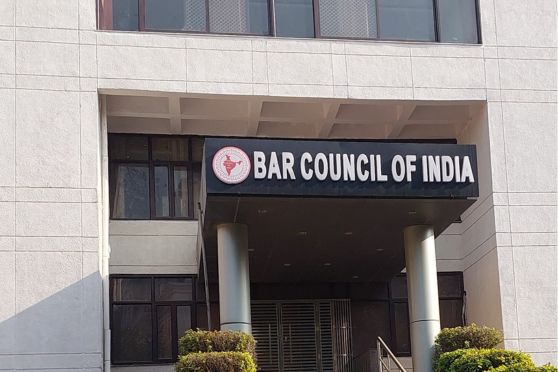
The Bar Council of India briefly tried to stop the whole graduating class from becoming enrolled lawyers.
It later changed its decision and allowed the students to enrol.
The author says people may criticize judges and disagree with their decisions in a democracy.
However, students and lawyers must not threaten people, use force or stop lawful events.
The author believes wrongdoing should be investigated person by person, rather than punishing an entire group first.
The article argues that an independent judiciary also needs lawyers who can respectfully challenge judges.
Its main message is that institutions should be respected without demanding automatic obedience or admiration.

The Bar Council of India withdrew its temporary direction blocking enrolment of NALSAR’s 2026 graduating batch.
The controversy followed student opposition to Chief Justice of India Surya Kant’s proposed participation in their convocation.
The article argues that disagreement or criticism of judges should not by itself constitute professional misconduct.
It says any alleged threats, intimidation, obstruction or unlawful conduct should be investigated individually through due process.
The author calls for respect for lawful court orders and judicial independence without compulsory reverence or restrictions on thought.
- Who
- NALSAR students, the Bar Council of India, and Chief Justice of India Surya Kant are central to the controversy.
- What
- The Bar Council of India temporarily blocked enrolment of NALSAR’s 2026 graduating batch before withdrawing the direction.
- Where
- The controversy concerns NALSAR University of Law in India.
- When
- The direction was reconsidered and withdrawn within hours; the article does not provide a specific date.
- Why
- The action followed a student campaign opposing the Chief Justice’s proposed participation in their convocation and related criticism of remarks attributed to him.
Protecting Judicial Institutions
Protecting Dissent and Due Process
Limits on criticism and protest
Protecting Judicial Institutions
The legal profession carries special obligations, and advocates should preserve the dignity of courts and the administration of justice. Threats, intimidation, obstruction or coercion should not be protected as dissent.
Protecting Dissent and Due Process
Students and lawyers may criticize judicial remarks, question invitations, demonstrate peacefully, decline to attend ceremonies and challenge judgments without being treated as professionally unfit.
Collective action against the graduating batch
Protecting Judicial Institutions
The regulator sought information about those principally involved in organizing the campaign, reflecting concern about possible professional misconduct.
Protecting Dissent and Due Process
Punishing or restricting an entire identifiable class before identifying individual responsibility conflicts with natural justice and reverses the normal order of investigation and punishment.
Judicial respect and professional independence
Protecting Judicial Institutions
Courts require respect and compliance with lawful orders so that judicial processes can function.
Protecting Dissent and Due Process
Respect for the judiciary should not mean reverence for individual judges. An independent judiciary also requires an independent Bar capable of respectfully arguing that a court is wrong.
Key facts
- Institution
- NALSAR University of Law
- Regulator
- Bar Council of India
- Affected group
- The entire 2026 graduating batch
- Initial action
- State Bar Councils were directed not to enrol members of the batch until further orders.
- Reversal
- The Bar Council of India withdrew the direction within hours and allowed enrolment.
- Disputed context
- Remarks attributed to Chief Justice Surya Kant during proceedings concerning alleged police excesses against students protesting over NEET.
Sources
Related news
Student Body Demands Apology After BCI Withdraws NALSAR Enrolment Ban
CJI Slams Bar Council's NALSAR Enrolment Suspension As 'Uncalled For'
Bar Council's bid to curb NALSAR students raises autonomy questions
Bar Council Halts, Then Lifts NALSAR Graduate Enrolment Ban

CJI defends NALSAR students' protest right, slams Bar Council ban

NLSIU students demand BCI apology over revoked NALSAR enrolment order
Supreme Court Limits Manan Mishra’s Pro Tem BCI Role
Indian Judges Back Student Dissent to Strengthen Democracy
NALSAR Students Back NLSIU Graduates Amid Convocation Dispute
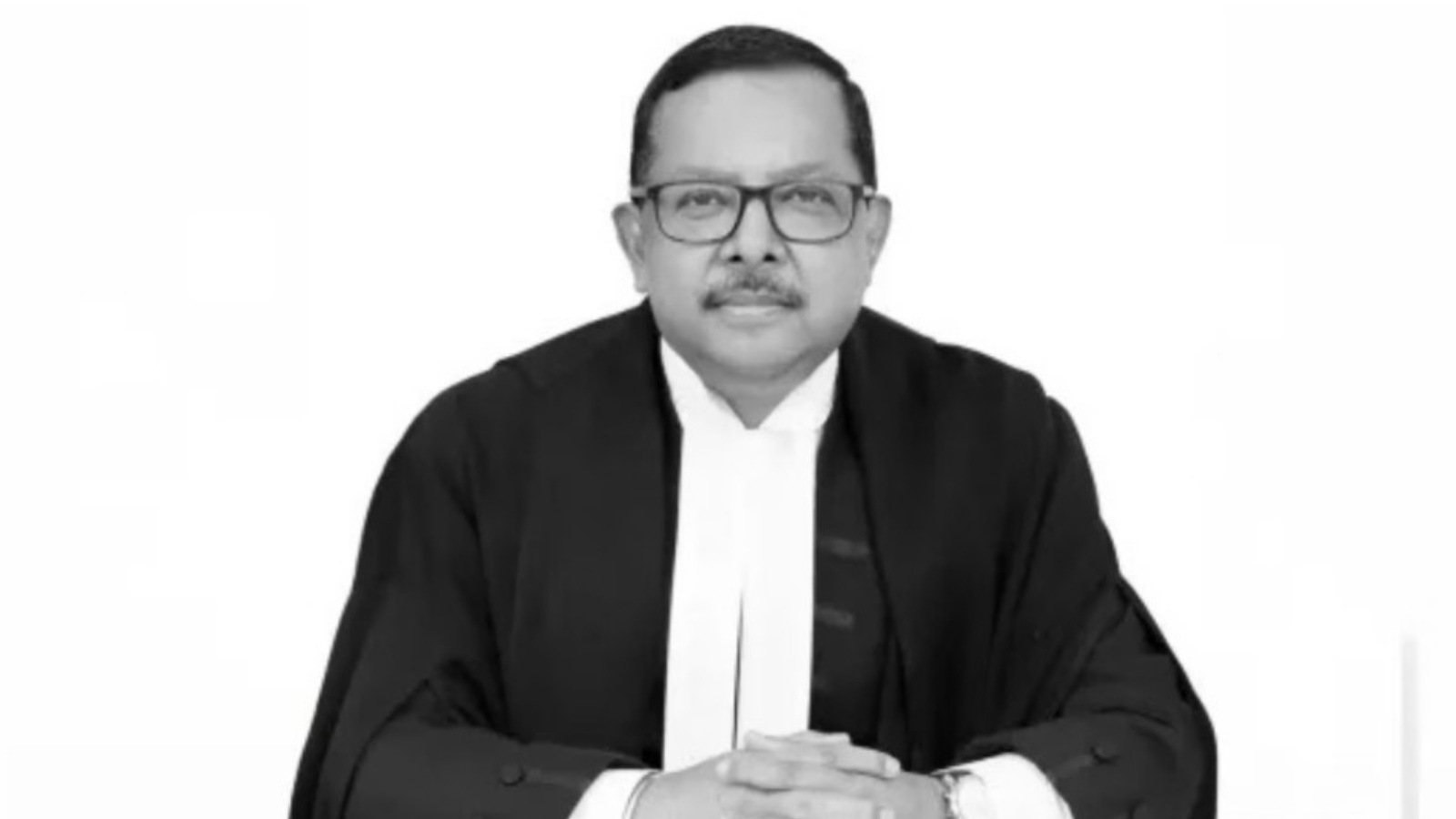
Justice Bhuyan Says Student Questions Cannot Bring Punishment