2 hrs ago
Temple Signal May Track Brain Blood Flow Beyond Heart Rate

Researchers conducted a second test involving people standing and lying down.
When the participants lay down, blood moved faster through their brains.
At the same time, their heart rates became slower.
This shows that a slower pulse does not always mean slower blood flow in the brain.
Heart rate is only one piece of information.
Temple’s Brain Flow signal may provide another way to observe what is happening.
It may detect changes that heart rate alone misses.
The finding could help researchers better study brain blood flow.

In a second test, participants moved between standing and lying down.
When participants lay down, brain blood-flow velocity increased.
Heart rate decreased while brain blood-flow velocity increased.
The result suggests heart rate alone may not show brain blood-flow changes.
Temple’s Brain Flow signal may detect changes that cannot be inferred from pulse alone.
- Who
- Participants in the second test and Temple’s Brain Flow signal are referenced; Deepinder Goyal is identified in the headline.
- What
- The test found that brain blood-flow velocity increased while heart rate decreased when participants lay down.
- Where
- Not stated.
- When
- During the second test; no date is stated.
- Why
- To examine whether Temple’s Brain Flow signal can detect brain blood-flow changes that heart rate alone cannot show.
Key facts
- Test
- The article describes a second test.
- Participant movement
- Participants moved between standing and lying down.
- Brain blood flow
- Brain blood-flow velocity increased when participants lay down.
- Heart rate
- Heart rate decreased when participants lay down.
- Main implication
- Heart rate alone does not always indicate what is happening to blood flow in the brain.
- Signal discussed
- Temple’s Brain Flow signal may capture changes not inferable from pulse alone.
Sources
Related news

Temple Wearable Shows Early Brain-Flow Validation Signals

PV Sindhu’s Brain Wearable Tracks Cognitive Workload
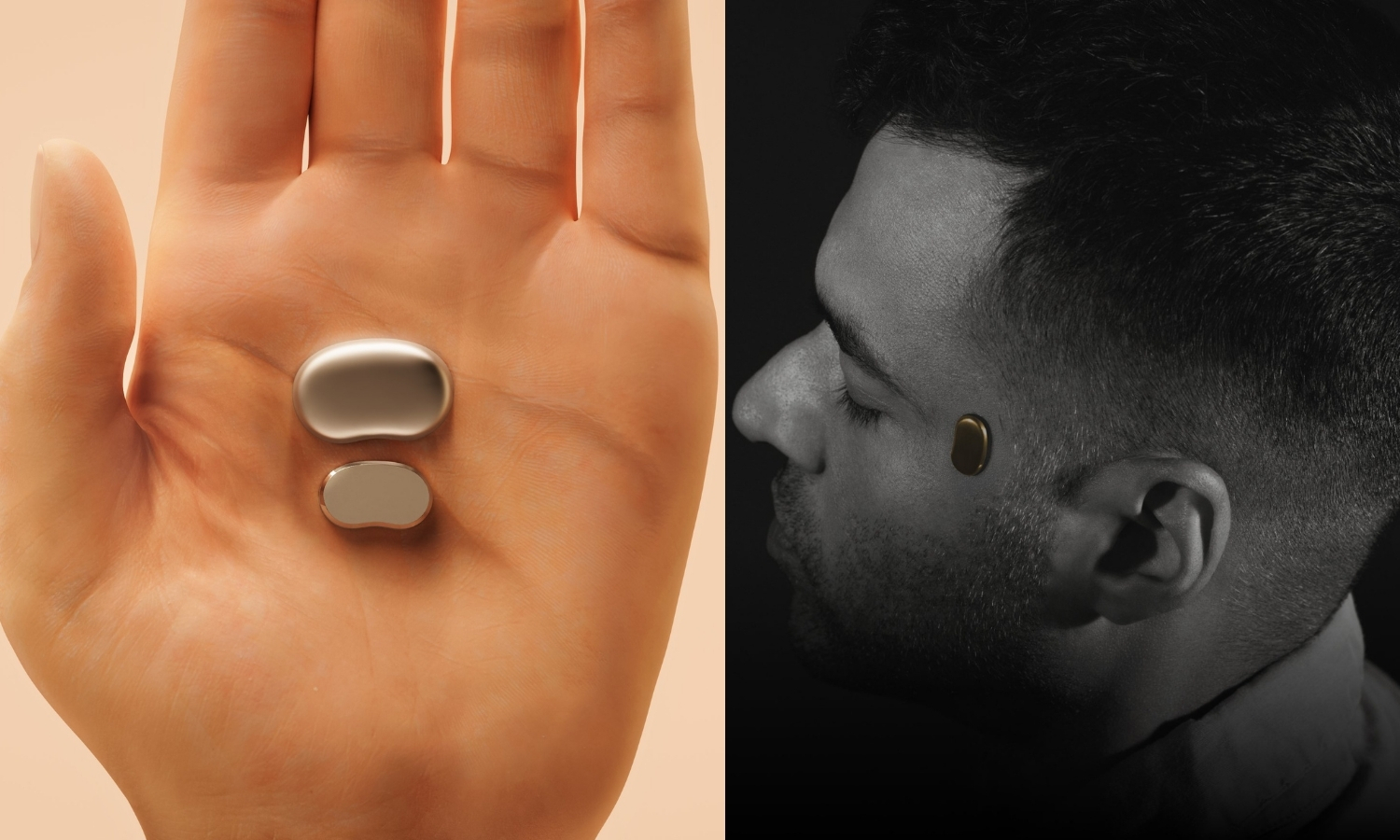
Deepinder Goyal Set to Launch Temple Wearable in India

Deepinder Goyal Says Temple Wearable Is Now Much Smaller

PV Sindhu's 'Temple' Head Device Developed by Zomato Founder

Spot-the-Difference Challenge Tests Focus Under Time Pressure

Delhi Customer Claims Zomato Delivery Partner Ate His Dinner

Customer Tracks Missing Zomato Order, Finds Rider Eating His Meal
Deepinder Goyal Explains Why Execution Turns Small Steps Into Success