2 hrs ago
Temple Wearable Shows Early Brain-Flow Validation Signals

Temple is making a wearable device that tries to track changes in blood flow to the brain.
Researchers compared its readings with a non-invasive ultrasound test called transcranial Doppler.
The device generally moved in the same direction as the ultrasound readings during exercise and when people changed position.
The study included 23 healthy adults, but only 20 people were analyzed for each test.
The device’s measurements had a correlation of about 0.8 with the ultrasound measurements.
This suggests the wearable may detect short-term changes in brain blood-flow speed.
However, the study did not prove that it can measure the total amount of blood reaching the brain.
It also did not show that the device can diagnose illnesses.
The study has not yet been reviewed by other scientists, and more research is planned.

Temple’s first validation study found its proprietary brain-flow metric broadly tracked cerebral blood-flow velocity measured by transcranial Doppler ultrasound.
The preprint involved 23 healthy adults, with data from 20 participants analyzed under each of two testing protocols.
Temple’s metric showed a median within-subject correlation of about 0.8 with middle cerebral artery blood-flow velocity.
Researchers cautioned that the study did not establish accurate absolute cerebral blood-flow measurement, clinical efficacy, or diagnostic use.
Temple is preparing preorders, expects to ship before the end of 2026, and is offering devices to qualified researchers for independent testing.
- Who
- Temple, Deepinder Goyal, and researchers conducting the validation study.
- What
- A preprint study tested whether Temple’s wearable brain-flow metric tracks changes in cerebral blood-flow velocity.
- Where
- When
- The study has been released as a preprint; Temple expects to begin shipping the device before the end of 2026.
- Why
- To provide early validation of Temple’s brain-flow metric and assess whether it tracks changes that heart-rate measurements may miss.
Early Validation Evidence
Research Limitations
Tracking brain-flow changes
Early Validation Evidence
Temple and the researchers said the wearable’s metric broadly tracked changes in middle cerebral artery blood-flow velocity, including changes that differed from heart-rate patterns.
Research Limitations
The study measured blood-flow velocity in one major artery rather than total or absolute cerebral blood flow, so it does not prove the wearable measures overall brain blood flow.
Potential clinical use
Early Validation Evidence
The findings provide early scientific support for Temple’s technology, and the company said further validation studies are under way.
Research Limitations
Researchers said additional measurement techniques and cerebrovascular challenges are needed to establish cerebral specificity and potential clinical applications.
Reliability of the findings
Early Validation Evidence
The metric showed a median within-subject correlation of about 0.8 across the two activities.
Research Limitations
The study was small, involved only healthy adults and two interventions, and the preprint has not yet undergone peer review.
Key facts
- Study status
- Preprint submitted for peer review; not yet peer-reviewed.
- Participants
- 23 healthy adults were enrolled, with data from 20 participants analyzed under each protocol.
- Comparison method
- Transcranial Doppler ultrasound measuring blood-flow velocity in the middle cerebral artery.
- Correlation
- The metric showed a median within-subject correlation of about 0.8 with Doppler readings.
- Test activities
- Stationary cycling and changing from standing to lying down.
- Main limitation
- The study did not establish absolute cerebral blood-flow measurement, clinical efficacy, or diagnostic capability.
- Expected launch
- Temple is preparing preorders and expects to ship the wearable before the end of 2026.
Quotes
Deepinder Goyal
Founder of Temple and commentator on the wearable’s validation study
“Any device that only measures heart rate would have gotten this completely wrong”
 inc42.com
Sources
Related news

Deepinder Goyal Says Temple Wearable Is Now Much Smaller
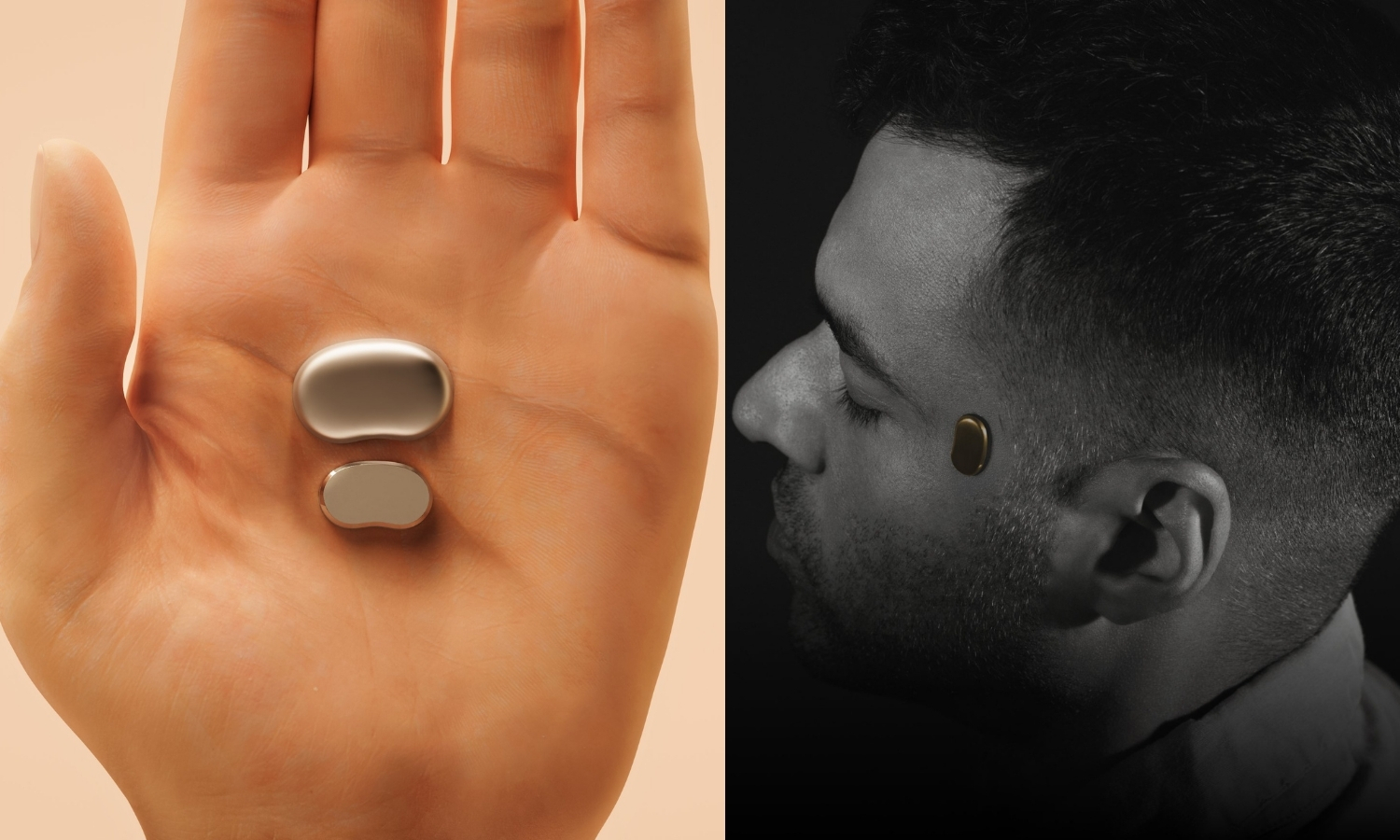
Deepinder Goyal Set to Launch Temple Wearable in India

PV Sindhu’s Brain Wearable Tracks Cognitive Workload

Temple Acquires Longevous Ahead of Experimental Wearable Launch

PV Sindhu's 'Temple' Head Device Developed by Zomato Founder

Temple Acquires London Longevity Clinic Ahead of India Launch

Delhi Customer Claims Zomato Delivery Partner Ate His Dinner

Customer Tracks Missing Zomato Order, Finds Rider Eating His Meal
Deepinder Goyal Explains Why Execution Turns Small Steps Into Success

BookMyShow Expands Beyond Ticketing Into India’s Live-Events Infrastructure