2 days ago
Microfinance Promised Freedom but Deepened Debt for Poor Households

Microfinance gives small loans to people who cannot easily use traditional banks.
It was meant to help them start businesses and earn more money.
But not every borrower has a business that can make enough profit.
When many people open similar small businesses, they may compete for the same customers.
Families may also use loans to pay for food, health care, school or emergencies.
Interest makes it harder to repay the money.
Some borrowers take new loans to pay old ones, creating a cycle of debt.
In some places, land is used as collateral, putting an important family asset at risk.
The article says poor households may also need education, training, infrastructure and stable jobs.

Microfinance loans were designed to help low-income people start businesses and escape poverty.
Evidence suggests loans often expand existing businesses rather than create profitable new enterprises.
Borrowers may use loans for medical bills, school fees, food, housing, emergencies or other debts.
High interest rates and multiple loans can leave households dependent on further borrowing to repay debt.
Experts say poverty reduction also requires skills, infrastructure, market access and stable employment—not credit alone.
- Who
- Low-income borrowers, microfinance institutions and policymakers are central to the issue.
- What
- The article argues that microfinance has often increased debt without reliably lifting poor households out of poverty.
- Where
- The issue is examined across Bangladesh, India, Cambodia, the Philippines and Pakistan, including rural Sindh.
- When
- The article discusses developments from microfinance’s origins in the 1970s through decades of experience.
- Why
- Loans alone may not solve poverty when borrowers lack profitable opportunities, skills, infrastructure, market access or stable employment.
Microfinance’s Promise
Criticism of Debt-Focused Lending
Path out of poverty
Microfinance’s Promise
Small loans can give people excluded from traditional banking capital to start businesses, support families and increase income.
Criticism of Debt-Focused Lending
Credit alone does not guarantee profitable opportunities or economic independence, particularly for households lacking skills, markets or infrastructure.
Entrepreneurship
Microfinance’s Promise
Poor borrowers may be able to invest in existing businesses and earn returns from additional capital.
Criticism of Debt-Focused Lending
Treating all poor households as entrepreneurs can be misguided; some would benefit more from employment, education or vocational training.
Repayment and security
Microfinance’s Promise
Multiple lenders and collateral can expand access to finance and help maintain strong repayment records.
Criticism of Debt-Focused Lending
Borrowers may take new loans to repay old ones, while using land as collateral can expose poor households to losing their most valuable productive asset.
Key facts
- Loan size
- Microfinance loans are usually between US$200 and US$500.
- Global banking access
- The World Bank says more than 1.7 billion people lack access to banking.
- Bangladesh interest cap
- The Microcredit Regulatory Authority sets a maximum charge of 24% on microfinance loans.
- Common loan uses
- Borrowers may use loans for businesses, medical expenses, school fees, food, housing, emergencies or repaying other debt.
- Business impact
- Evidence from India indicates microloans increased borrowing and investment by existing businesses rather than helping people start new ones.
- Debt reliance
- Research on rural households in Cambodia found borrowers increasingly relied on other debt to meet microfinance repayments.
- Collateral risk
- In rural Sindh, Pakistan, land is widely used as security for bank loans, potentially putting farmers’ main asset at risk.
Sources
Related news
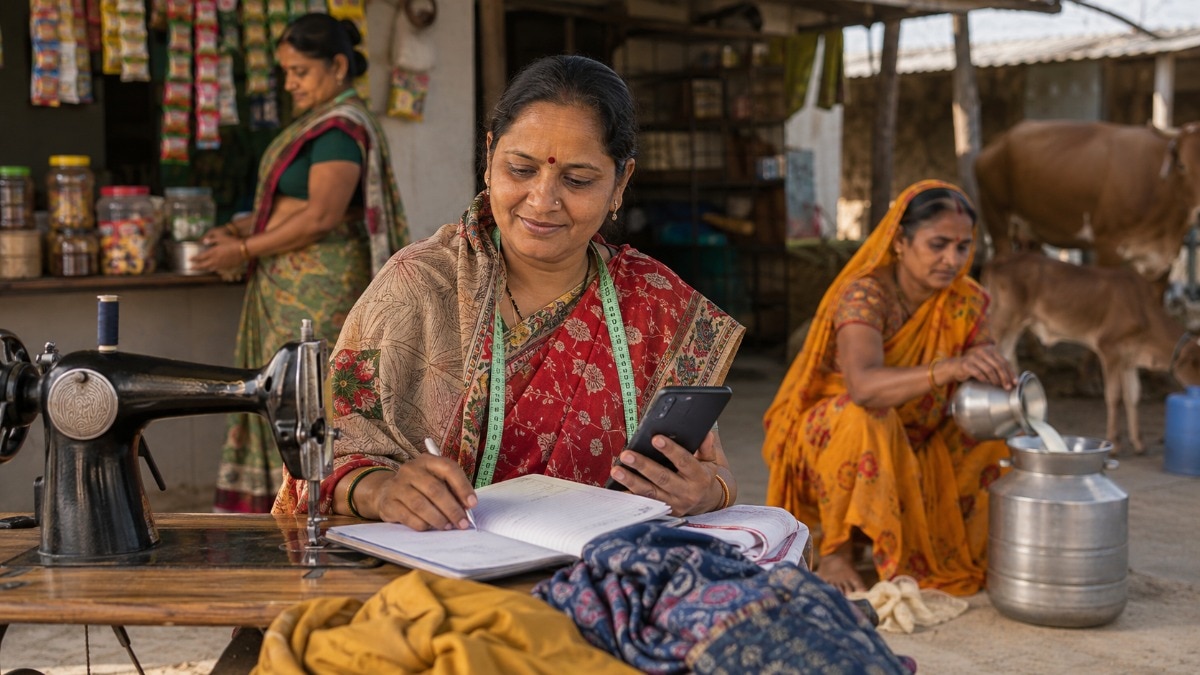
Rural women reshape India’s microfinance through growing businesses
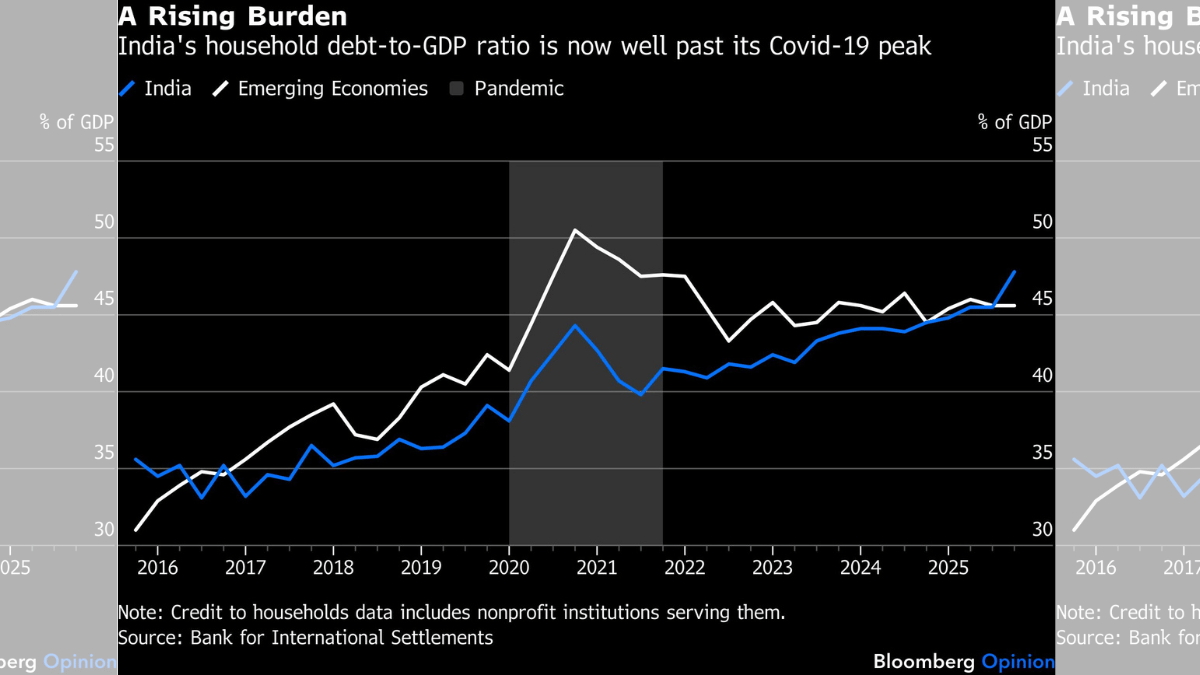
Lending Apps Are a Debt Trap for Indian Consumers

AVPN CEO Urges Capital Flow Toward Women's Economic Empowerment

Banks Shift Microfinance Lending Toward Institutions, Report Finds
MFIN expects microfinance portfolio to grow 15% in FY27

India's Credit Growth Spreads Beyond Big Cities as Inclusion Grows
India’s Record Wheat Harvest Opens $1.5 Billion Export Window

West Bengal CM Crushes Nearly 2 Lakh Seized Syrup Bottles

India, Bangladesh Seek Deeper Parliamentary and People-to-People Ties

Bangladesh Radicalisation Raises Concerns About Security Spillover Into India

Bengaluru Police Transfer 31 Bangladeshi Nationals for Deportation