2 hrs ago
Pakistan's PTI Protest Highlights Military-Civilian Power Struggle in Pakistan
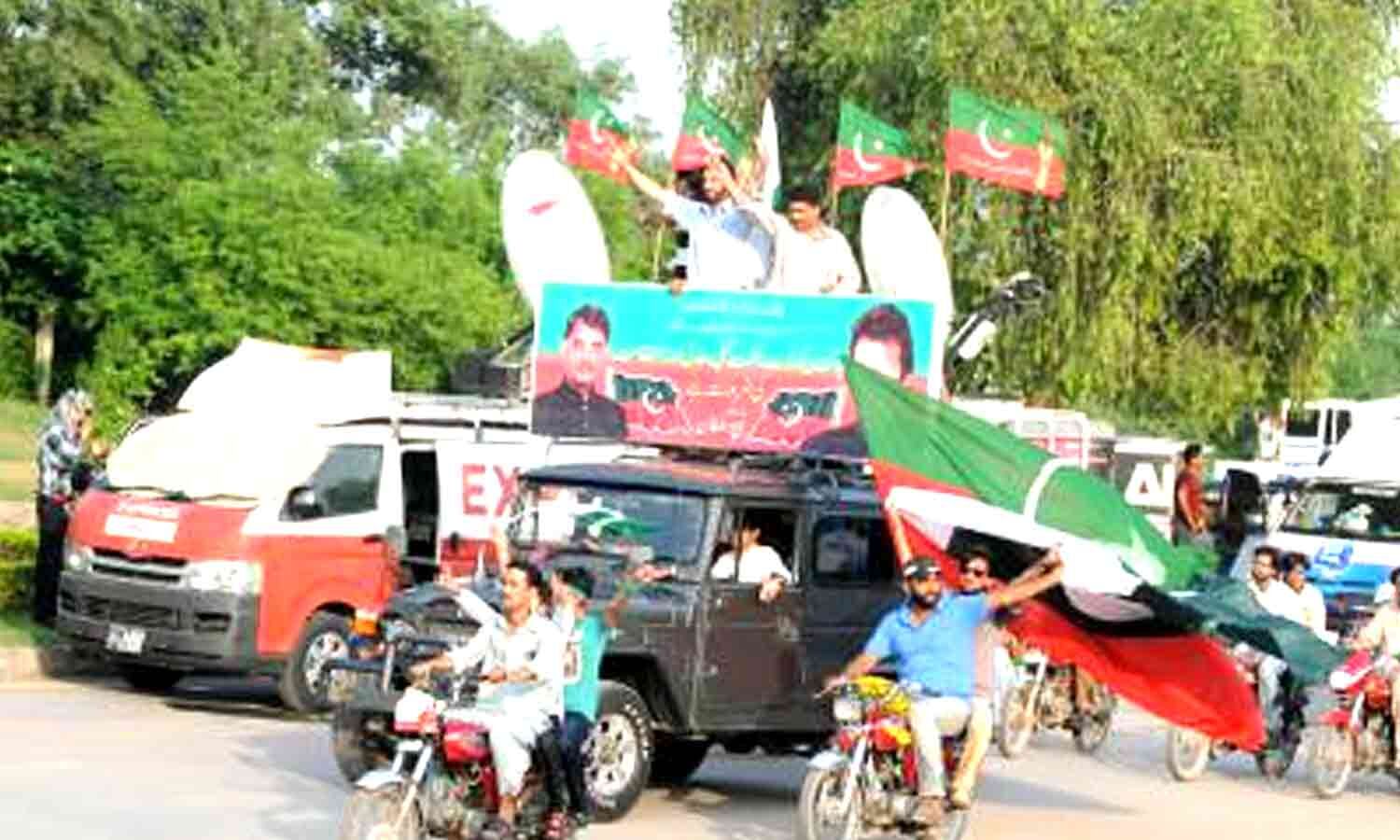
Pakistan’s PTI party plans to protest on September 27.
The party wants Imran Khan released from prison.
It also says Pakistan should follow its Constitution and strengthen democracy.
The protest is connected to a larger disagreement about how much power the military should have in politics.
Critics say Khan’s rise to power in 2018 was helped by the military, but Khan and his party reject that claim.
The report says the conflict is more complicated than a simple fight between one politician and one general.
Three of Khan’s sisters were detained for 30 days before the planned protest.
PTI leaders say Pakistan’s political and economic problems are worsening.

Pakistan Tehreek-e-Insaf plans a September 27 protest demanding Imran Khan’s release and defending constitutional rule.
The protest is expected to renew debate over the military’s influence in Pakistan’s political system.
The report says Khan’s rise in 2018 was viewed by opponents and analysts as having military backing, a claim Khan and PTI reject.
Khan’s sisters Uzma Khan, Noreen Niazi and Aleema Khan were detained for 30 days under public-order provisions ahead of the protest.
PTI leaders say Pakistan’s constitutional institutions and electoral process have been weakened amid a severe political and economic crisis.
- Who
- Pakistan Tehreek-e-Insaf, Imran Khan, his sisters, and Pakistan’s military and political institutions are central to the story.
- What
- PTI is planning a protest and long march to seek Imran Khan’s release and demand constitutional rule, democracy, and rule of law.
- Where
- The protest concerns Pakistan, while the reported detentions took place in Lahore.
- When
- The protest is planned for September 27; the sisters’ detentions occurred ahead of it, with Aleema Khan detained on Sunday and the other two under a 30-day order.
- Why
- PTI says Pakistan’s constitutional institutions and electoral process have been weakened and that the country faces a severe political and economic crisis; the broader report links the crisis to unstable civilian-military power relations.
PTI and Supporters
Report’s Structural Analysis
Purpose of the protest
PTI and Supporters
PTI says the protest is needed to secure Imran Khan’s release, restore democracy, defend the Constitution, and uphold the rule of law.
Report’s Structural Analysis
The report presents the protest as another sign of Pakistan’s unresolved conflict over whether elected institutions or the military establishment ultimately holds political power.
Imran Khan’s political role
PTI and Supporters
PTI leaders describe Imran Khan as a symbol of national unity who can help Pakistan overcome its political and economic crisis.
Report’s Structural Analysis
The report says Khan’s rise in 2018 was viewed by analysts and opponents as having military support, while also noting that Khan and PTI reject that claim.
Meaning of the current crisis
PTI and Supporters
PTI attributes the crisis to weakened constitutional and legal institutions and an undermined electoral process.
Report’s Structural Analysis
The report argues that the crisis cannot be reduced to a simple confrontation between a democratic politician and an authoritarian general, because civilian and military elites have previously cooperated as well as clashed.
Key facts
- Protest date
- September 27
- Protesting party
- Pakistan Tehreek-e-Insaf (PTI)
- Main demand
- Release of imprisoned party founder Imran Khan
- Additional demands
- Restore democracy, uphold constitutional supremacy, and ensure the rule of law
- Detentions
- Uzma Khan, Noreen Niazi, and Aleema Khan were detained for 30 days under public-order provisions
- Military leadership
- Asim Munir was promoted to field marshal in May last year and later assumed the Chief of Defence Forces position under the 27th Constitutional Amendment
- Historical issue
- The report describes an unresolved struggle over the balance between elected institutions and the military establishment
Quotes
Pressenza International Press Agency report
The quoted analysis published in a Pressenza International Press Agency article
“None of this justifies any violation of Khan’s rights, nor does it make questions surrounding the legality and conditions of his prolonged imprisonment irrelevant. It does mean, however, that Pakistan’s present crisis cannot be reduced to a confrontation between a democratic politician and an authoritarian general. The Khan case is better understood as a symptom of a political system in which the relationship between elected authority and the military establishment has remained chronically||||Un”
 thehansindia.com
Sources
Related news
Imran Khan Hospital Episode Highlights Pakistan’s Military-Political Cycle
Imran Khan’s Family Accuses Pakistan Military of Deepening Dictatorship
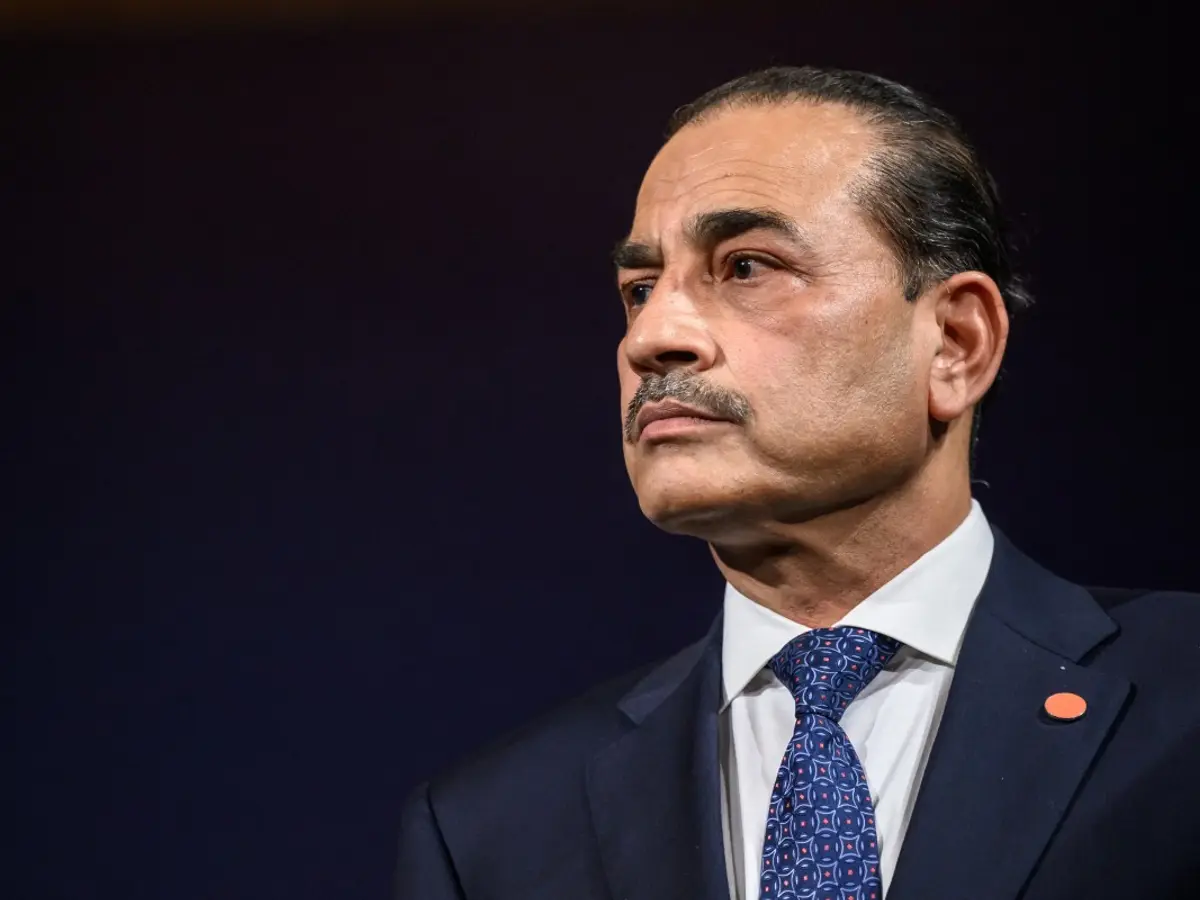
Pakistan Questions Asim Munir’s Expanding Military and Political Power
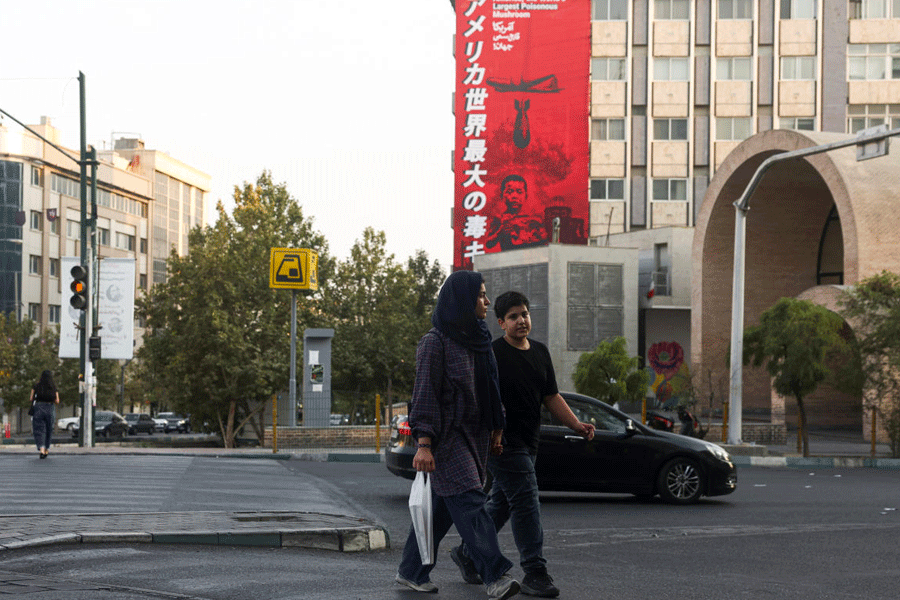
Asim Munir Balances Iran Mediation With Pakistan’s Internal Strains
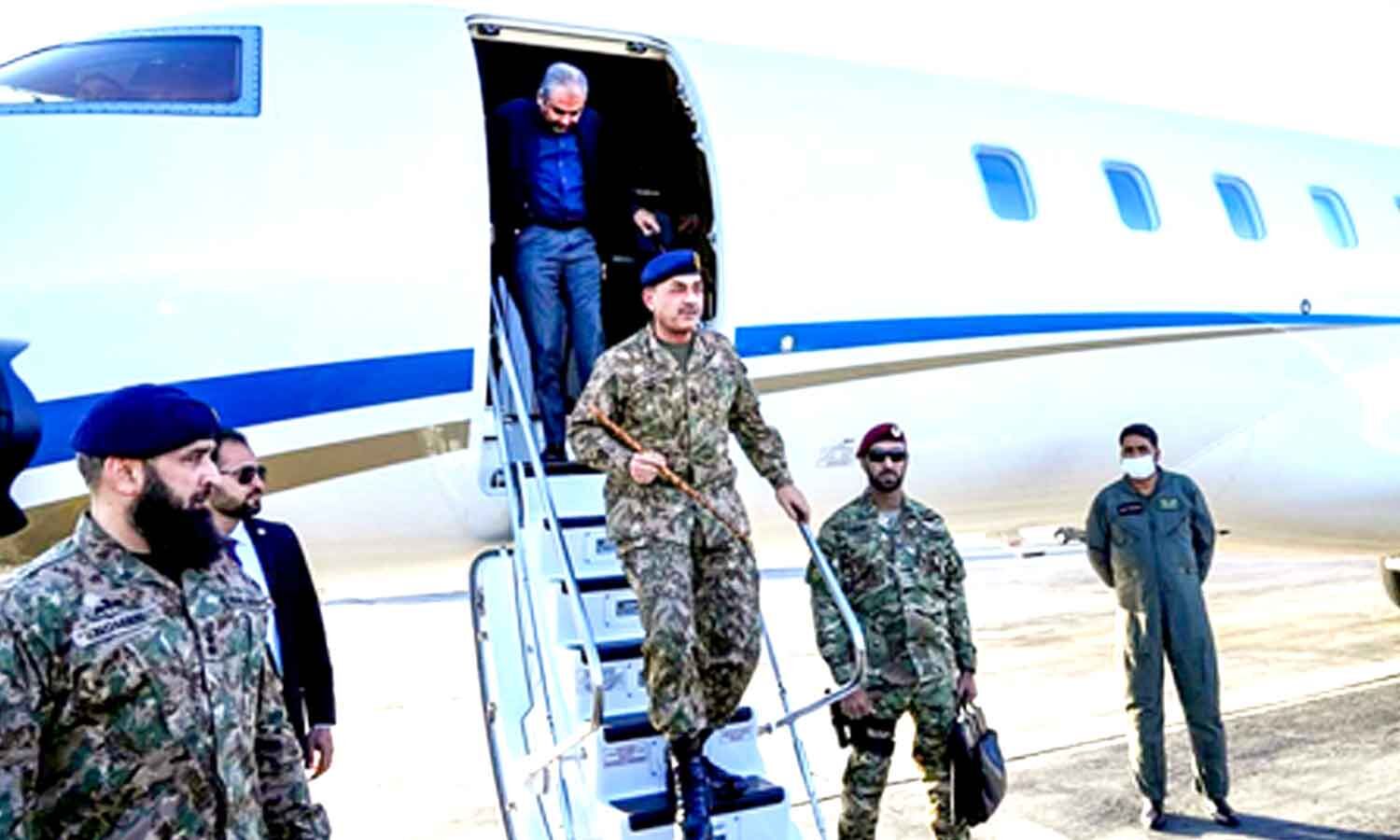
Pakistan's Military Power Consolidation Advances Through New Laws

Imran Khan’s Three Sisters Arrested Ahead of PTI Protest

Pakistan Tightens Islamabad Security Ahead of Rival Protest Marches
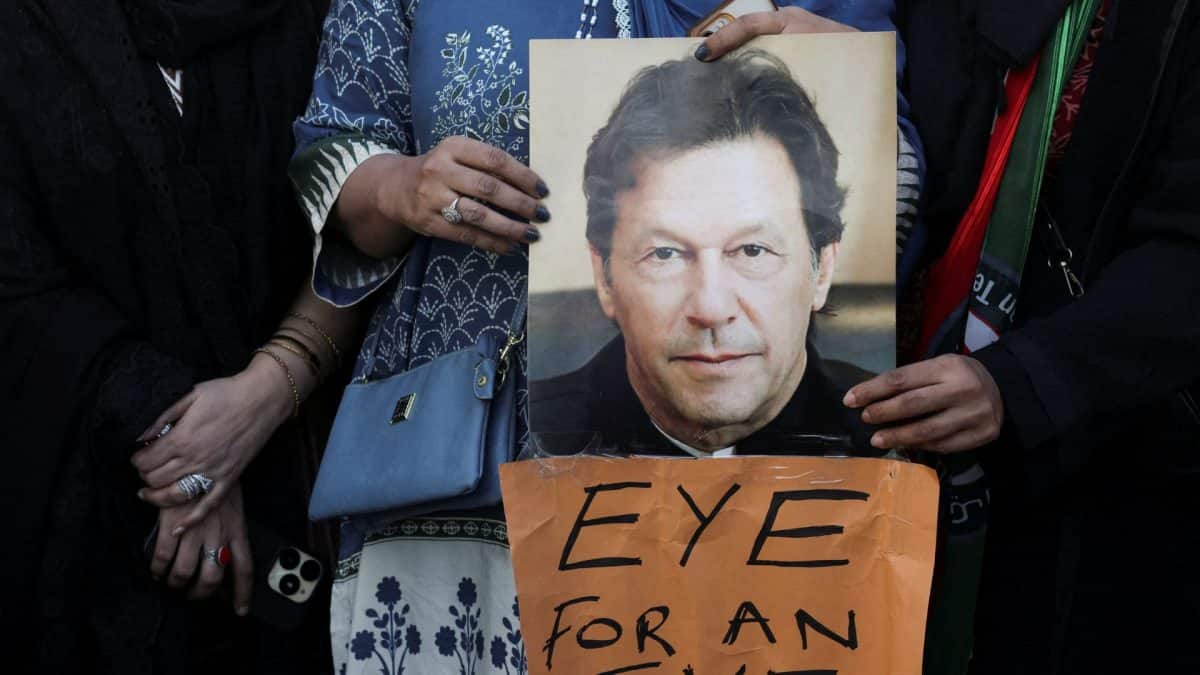
Kasim Khan Alleges Family Abductions Ahead of PTI Protest
September 21 Assembly Headlines Span India, World, Sports