1 week ago
Imran Khan Hospital Episode Highlights Pakistan’s Military-Political Cycle
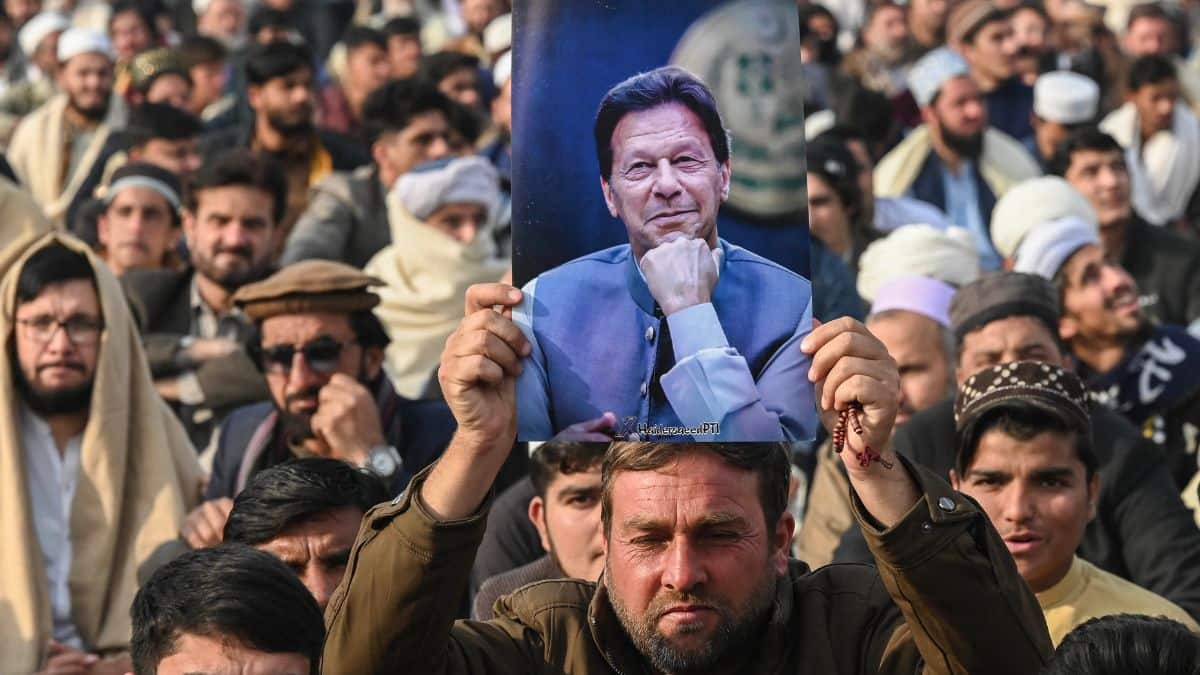
Imran Khan is a former leader of Pakistan who has been in jail since 2023.
Pakistan’s Supreme Court said he should be taken to a hospital for medical care.
Instead, he was checked at another medical institution and sent back to jail after being declared fit.
The article says this raises questions about whether government institutions can act independently.
It argues that Pakistan’s army has had too much influence over politics for many years.
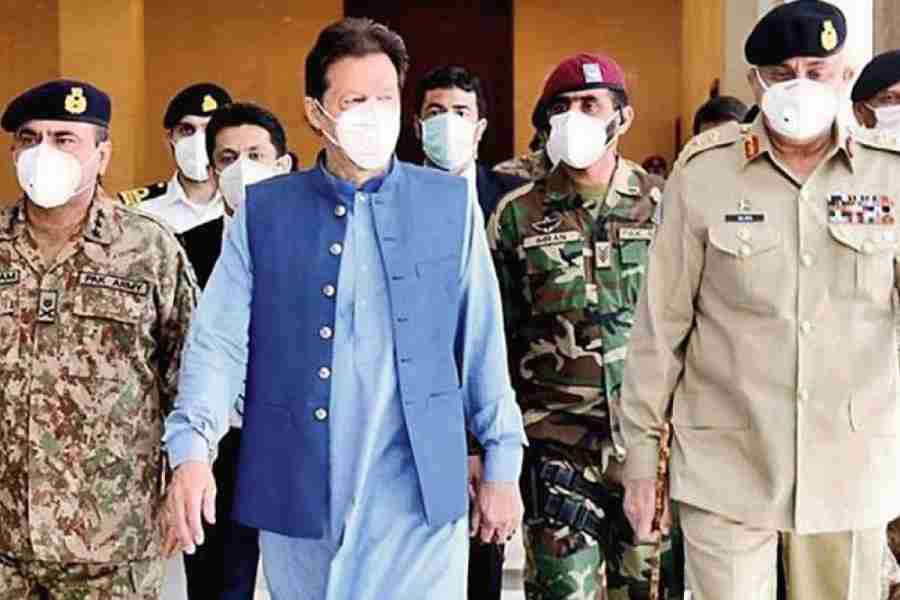
Civilian political leaders have sometimes accepted military help to gain power.
Later, the same system has often been used against those leaders.
The author says Pakistan needs fair elections, independent courts, and an army that protects the country without choosing its rulers.

Pakistan’s Supreme Court ordered Imran Khan’s transfer to Shifa Hospital on August 18 for medical assessment and treatment.
Khan was instead examined at the Pakistan Institute of Medical Sciences, declared medically fit, and returned to Adiala Jail.
The article argues that Pakistan’s recurring political crisis stems from military dominance and civilian politicians’ reliance on military support.
It describes Khan’s rise in 2018 as widely viewed as having benefited from military backing before his relationship with the Establishment deteriorated.
The article calls for an independent judiciary, genuinely free elections, and a military confined to its constitutional role.
- Who
- Imran Khan, Pakistan’s former prime minister, along with the Supreme Court, prison authorities, civilian politicians, and the military establishment.
- What
- Khan was returned to Adiala Jail after a medical examination despite a Supreme Court order directing his transfer to Shifa Hospital.
- Where
- The events involved Adiala Jail, Shifa Hospital, and the Pakistan Institute of Medical Sciences in Pakistan.
- When
- The hospital-transfer episode occurred on August 18; Khan has been incarcerated since 2023.
- Why
- The article presents the episode as evidence of a broader struggle over civilian authority, military influence, judicial independence, and political accountability.
Civilian Democratic Authority
Military-Involved Political Order
Role of the military
Civilian Democratic Authority
The article argues that the military should protect the state but not determine who governs it.
Military-Involved Political Order
The article says Pakistan’s military has been treated by many as the country’s ultimate guardian because of security concerns, wars, and political instability.
Political alliances
Civilian Democratic Authority
Political parties should compete independently and accept losing elections rather than seek intervention from the military.
Military-Involved Political Order
The article says civilian politicians have repeatedly relied on military support when it helped them gain or retain power.
Use of state institutions
Civilian Democratic Authority
Courts and state institutions should not become tools for political revenge, and imprisonment should not replace political competition.
Military-Involved Political Order
The article notes that successive civilian governments, including Khan’s, pursued political opponents, while the same machinery was later used against them.
Key facts
- Prisoner
- Imran Khan has been incarcerated since 2023.
- Supreme Court order
- The court ordered Khan’s transfer to Shifa Hospital for medical assessment and treatment on August 18.
- Medical examination
- Khan was examined at the Pakistan Institute of Medical Sciences and declared medically fit.
- Return to prison
- He was sent back to Adiala Jail after the examination.
- Political rise
- The article says Khan’s 2018 rise to power was widely regarded as having benefited from military backing.
- Removal from office
- Khan was removed as prime minister in April 2022, according to the article.
- Proposed reforms
- The article calls for free and fair elections, independent courts, and the military’s return to its constitutional role.
Sources
Related news
Imran Khan’s Family Accuses Pakistan Military of Deepening Dictatorship
Imran Khan’s Prison Treatment Signals Possible Political Thaw in Pakistan
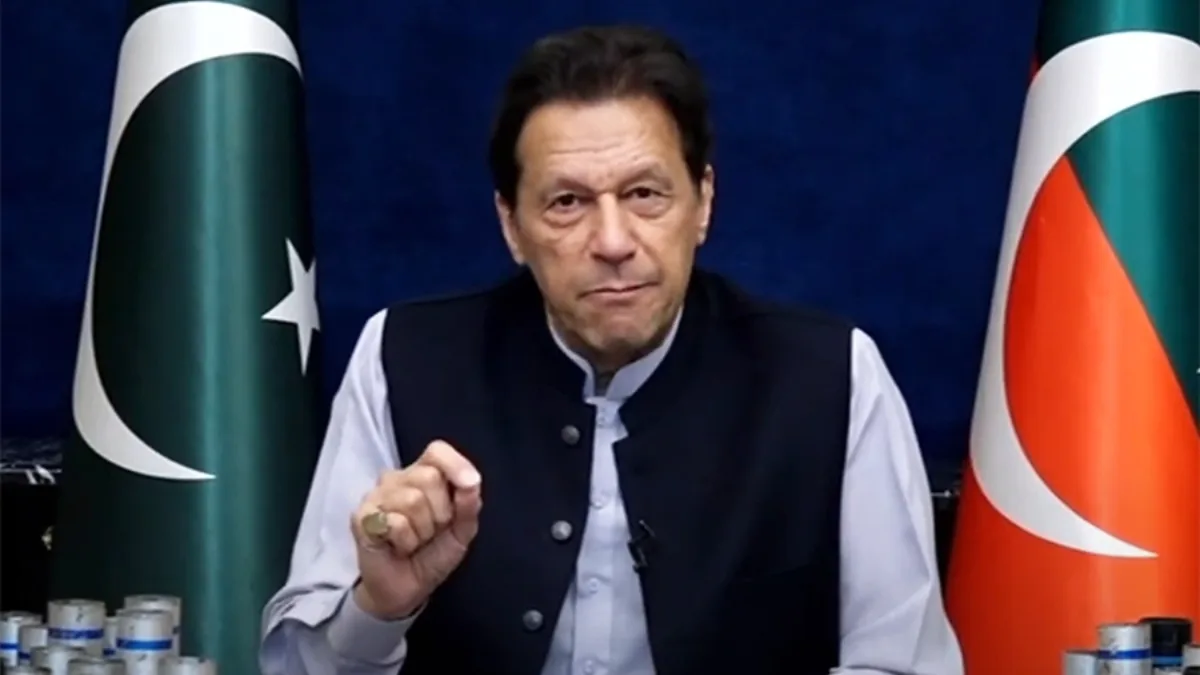
Pakistan Supreme Court Orders Hospital Care for Imran Khan
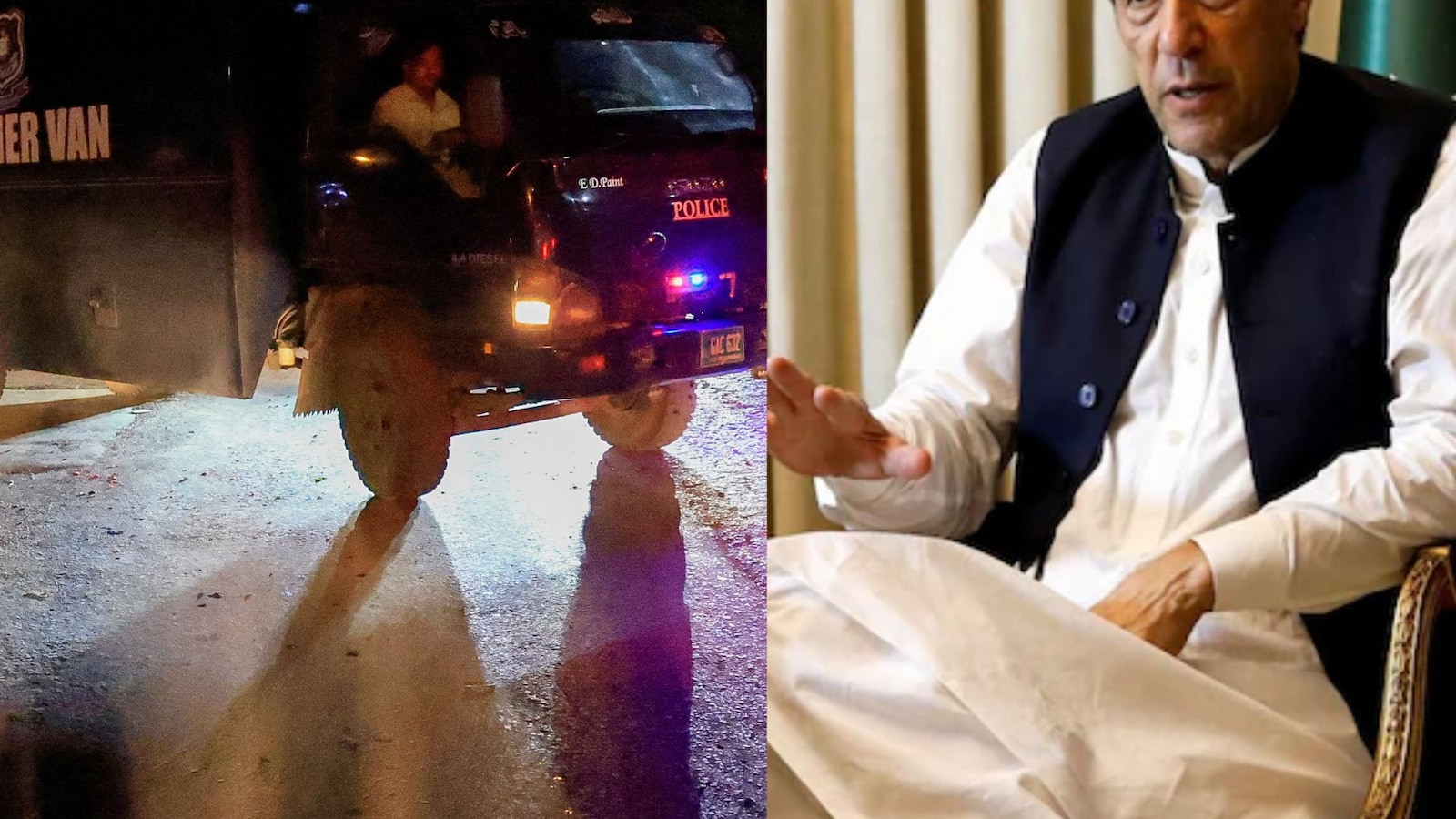
Imran Khan Returned To Jail After Hospital Medical Check
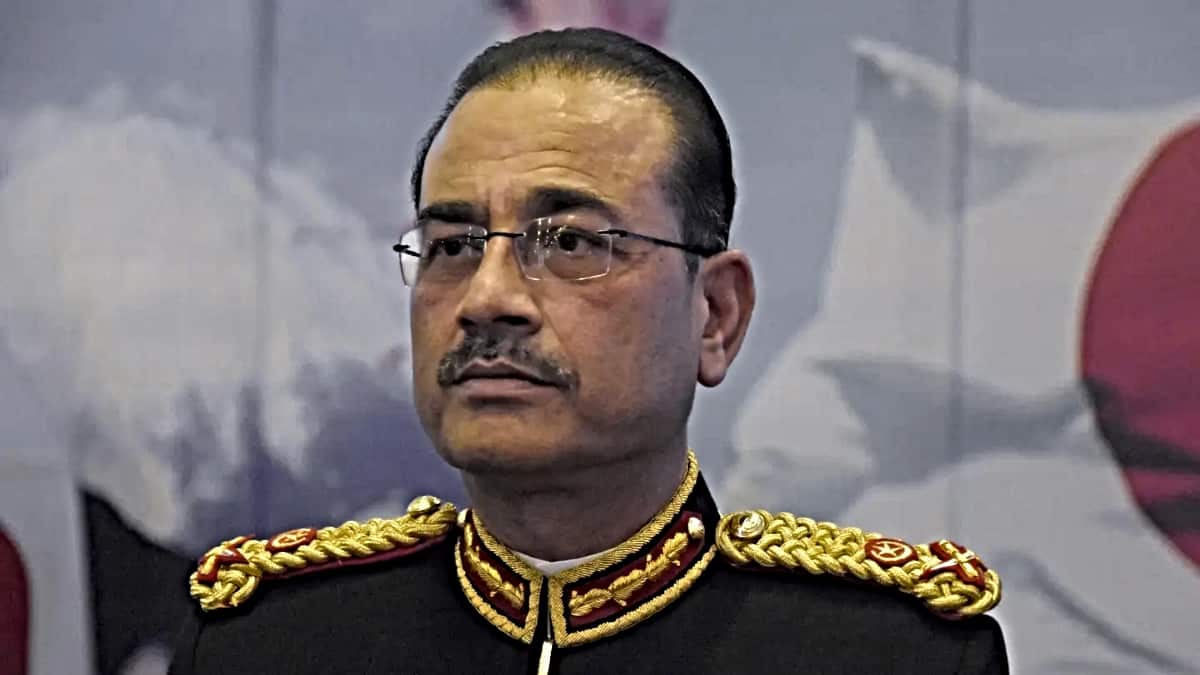
Pakistan's military chief caught between holding and freeing Imran Khan
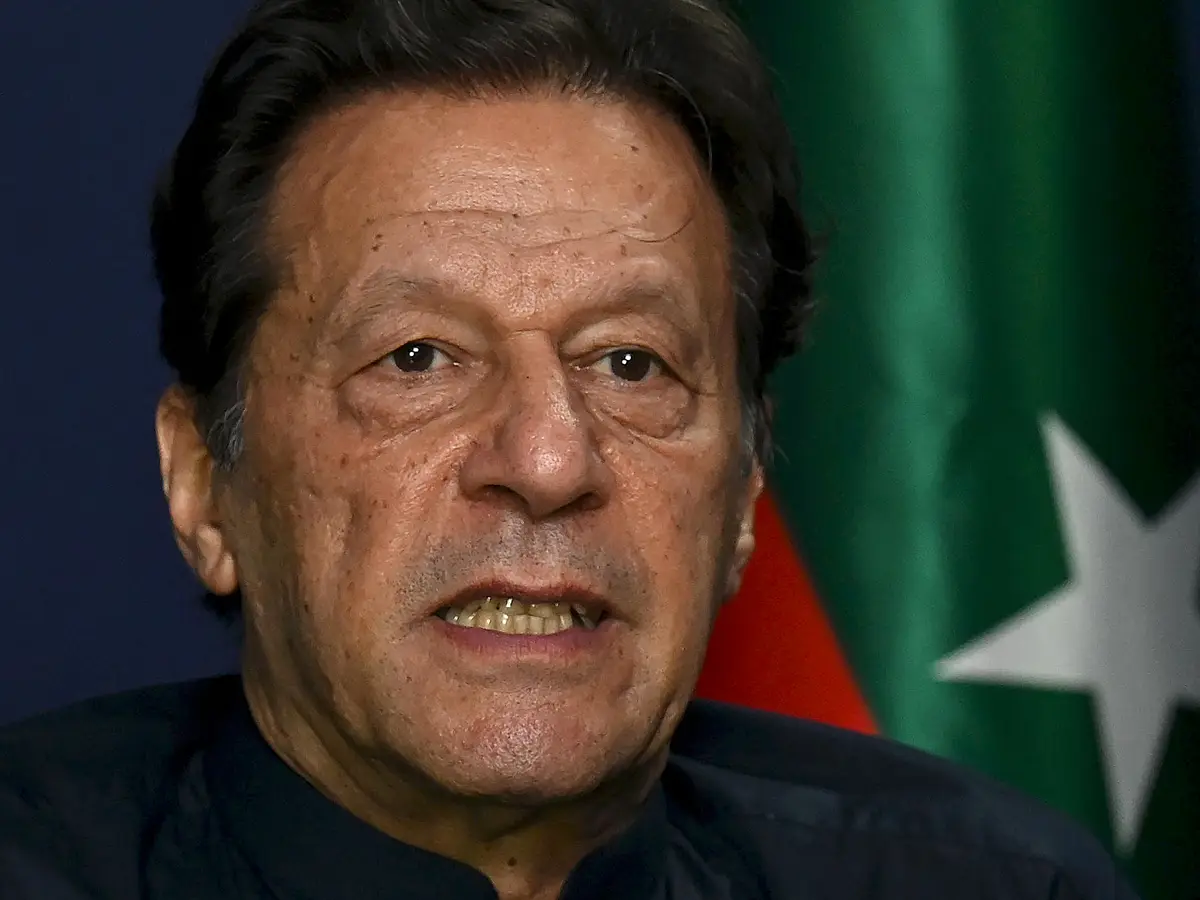
Imran Khan’s Party Challenges Government Over Hospital Transfer
Pakistan High Court Ends Solitary Confinement for Imran Khan

Imran Khan’s Medical Care Raises Questions About Pakistan’s Courts

Pat Cummins Backs Captains’ Plea for Imran Khan’s Care

Imran Khan’s Sons Fear for His Safety in Prison