

1 day ago
Reliance’s ₹10 Bombay Creamery Tests India’s Ice Cream Freezer Battle

Reliance is trying to sell a small ice-cream pack for ₹10.
It hopes the low price will encourage many people to try Bombay Creamery.
The company plans to use its large network of shops and distributors.
It may also give shopkeepers higher profits to persuade them to stock the product.
However, ice cream must stay frozen from the factory to the local store.
Freezers cost money, take up space and use electricity.
Established brands such as Amul and Kwality Wall’s already have strong cold-storage networks.
Reliance’s success will depend on whether it can combine low prices, retailer incentives and reliable frozen delivery.

Reliance Consumer Products is launching ₹10 Bombay Creamery ice cream using its three-million-outlet distribution network.
The company is applying a Campa-style low-price and high-distribution strategy to India’s ₹27,000–30,000-crore ice-cream market.
Reliance may offer retailers margins near 20%, compared with the industry’s typical 12–15% range.
The launch faces cold-chain challenges because ice cream requires frozen storage, refrigerated transport and freezer space.
Amul, Kwality Wall’s, Vadilal and Havmor already have established distribution and freezer networks.
- Who
- Reliance Consumer Products Ltd, through its Bombay Creamery brand, is entering the ice-cream market.
- What
- The company is launching a ₹10 ice-cream product and seeking mass-market distribution.
- Where
- The initial test is expected in Western India, with ambitions for neighbourhood-store distribution across India.
- When
- The report was published on September 1, 2026.
- Why
- Reliance aims to reproduce the low-price, aggressive-distribution strategy it used to expand Campa.
Reliance’s growth opportunity
Cold-chain and competition risks
Distribution scale
Reliance’s growth opportunity
Reliance’s three-million-outlet reach, food infrastructure and capital could help Bombay Creamery expand quickly.
Cold-chain and competition risks
Existing brands already possess established distribution and freezer networks, making mass-market penetration difficult.
Retailer incentives
Reliance’s growth opportunity
Higher margins could persuade kirana retailers to allocate scarce freezer space to the new brand.
Cold-chain and competition risks
Margins alone may not be enough; retailers also need cabinet capacity, regular replenishment and sufficient sales volume.
₹10 pricing
Reliance’s growth opportunity
The entry price can drive trial and attract price-sensitive consumers, following the Campa playbook.
Cold-chain and competition risks
Ice cream has dairy-procurement and refrigeration costs that beverages do not, so the ₹10 product may not represent the economics of the whole business.
Key facts
- Product
- ₹10 Bombay Creamery ice cream
- Distribution reach
- More than three million outlets through 5,000 distributors
- Market size
- India’s ice-cream market is estimated at ₹27,000–30,000 crore
- Retailer margins
- Established brands typically offer 12–15%; Reliance has used incentives near 20% in parts of its FMCG portfolio
- Freezer cost
- Industry estimates put freezer cabinets at ₹15,000–35,000
- Major competitors
- Amul, Kwality Wall’s, Vadilal and Havmor
- Reliance food infrastructure
- The company has planned ₹30,000 crore of investment in food-manufacturing infrastructure
Quotes
T. Krishnakumar
Director at Reliance Consumer Products Ltd
“Reliance has shown with Campa that it uses trade economics aggressively to build distribution. With ice cream, the prize is not just shelf space — it is freezer space.”
 thehindubusinessline.com
“We built Bombay Creamery around one simple idea: dairy shouldn’t need shortcuts. RCPL is not just entering the ice cream category, we’re committing to it.”
thehindubusinessline.com
Sheldon Santwan
Consumer goods industry expert
“Freezer space is effectively the shelf space of the ice-cream business. Higher margins persuade retailers to try a brand, but the product still needs cabinet capacity, regular replenishment and sales velocity to make that space worthwhile.”
thehindubusinessline.com
Sources
Related news
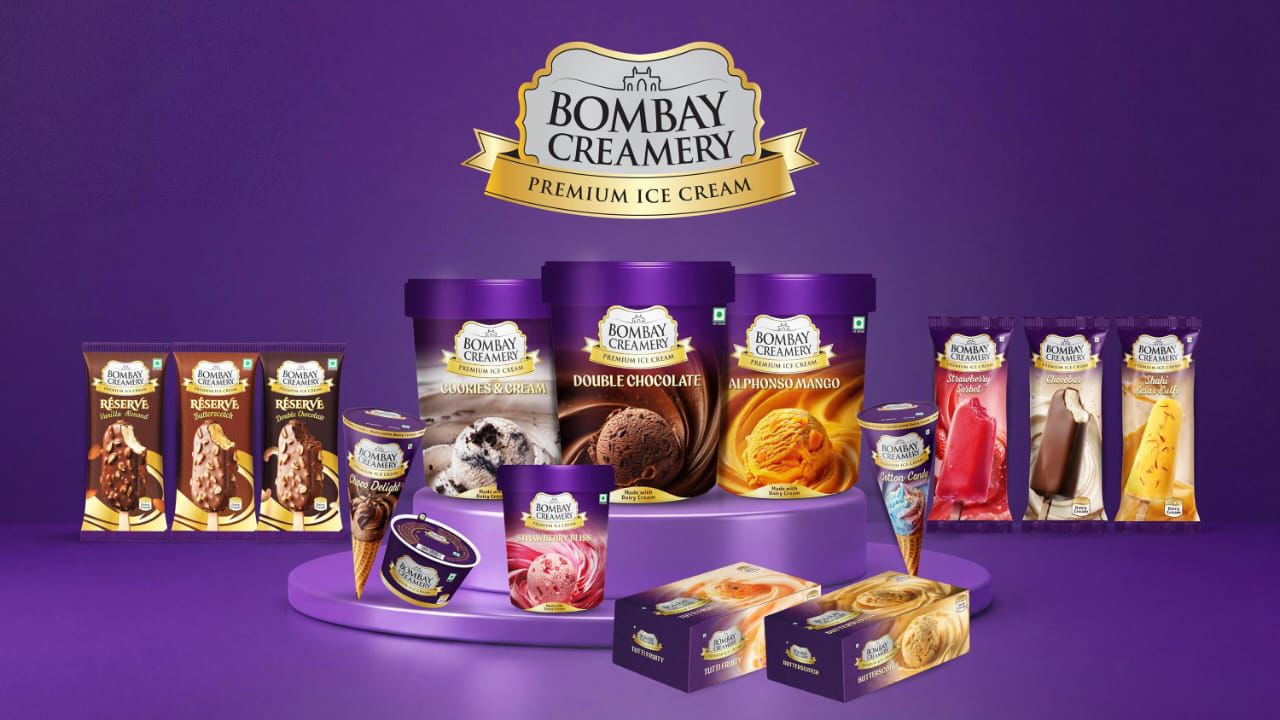
Reliance Launches Bombay Creamery, Enters India’s Ice-Cream Market
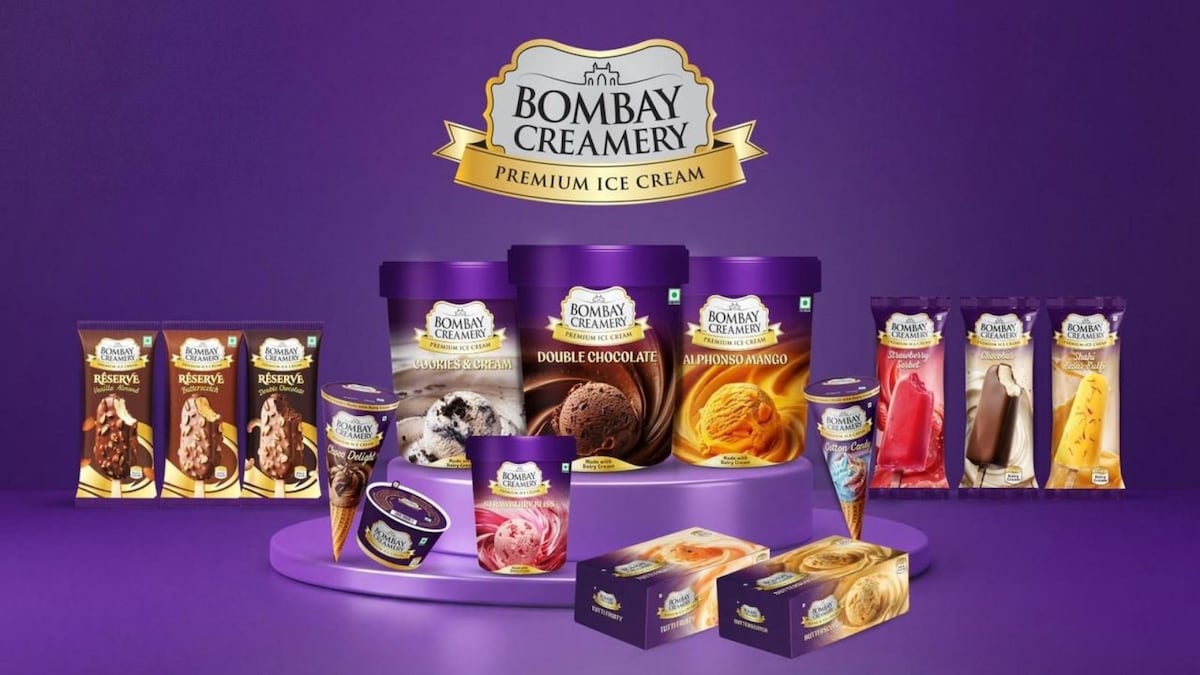
Reliance Enters Ice Cream Market With Bombay Creamery

Orkla India resumes double-digit growth, eyes regional brand acquisitions
Quick commerce private-label push gathers pace as platforms chase margins
FSSAI Crackdown Could Expand India’s Organised Paneer Market

Telangana Urges Unified National Framework for Water Security
CAG: Green India Mission misses forest cover target by 98%
Parle remains top in-home FMCG brand for 14th straight year
RIL's FMCG Business Aims for Rs 20,000 Crore Revenue by FY26
