

1 week ago
India Lifts Wheat Export Curbs to Raise Farmer Returns
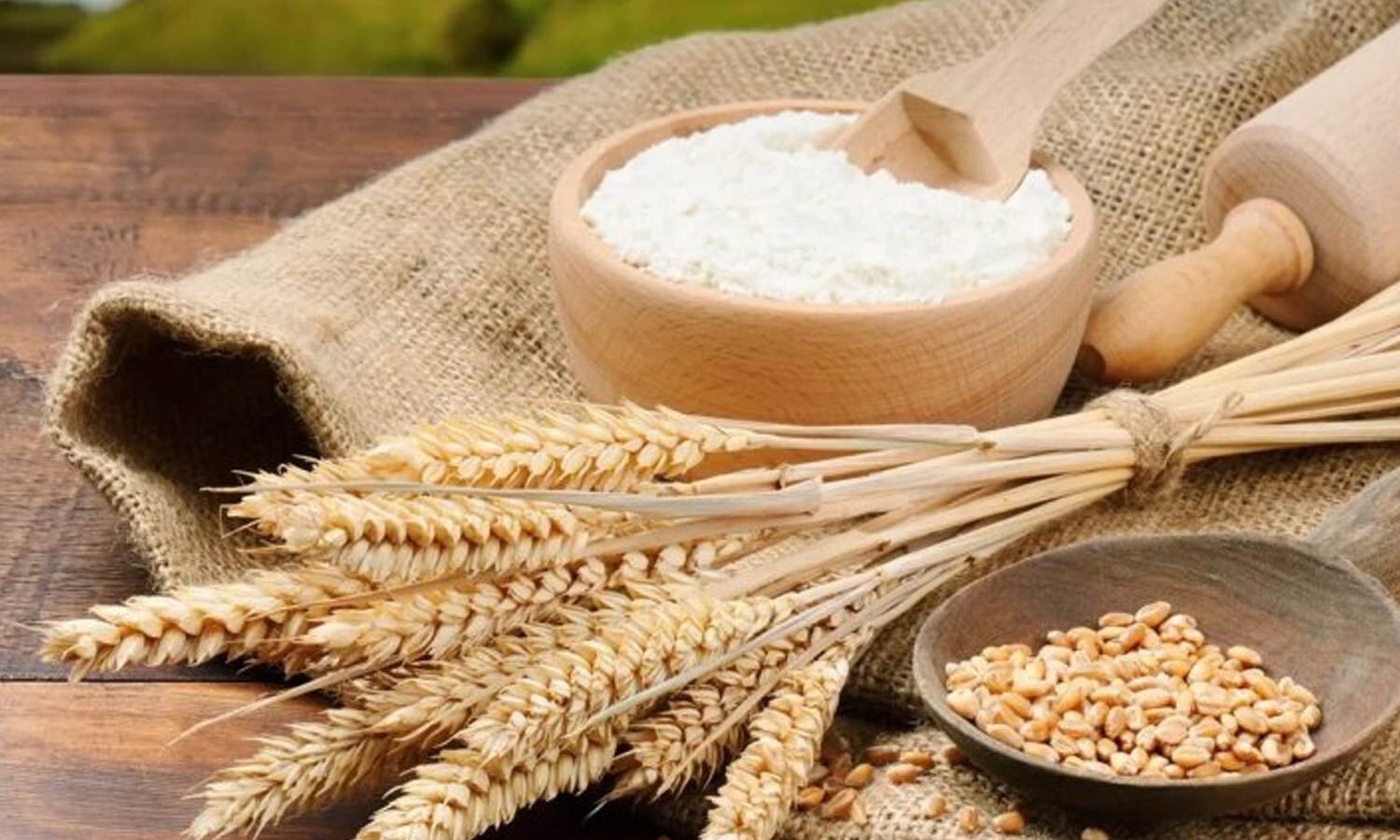
India has decided to allow wheat exports again.
This means Indian businesses can sell wheat and some wheat products to other countries.
The government says wheat prices inside India are currently low.
It hopes exports will raise prices and give farmers better returns.
Officials also want farmers to grow enough wheat in the next planting season.
India had stopped most wheat exports in May 2022 because domestic prices were rising.
Earlier this year, limited exports were allowed.
The government says the country still has enough wheat for people at home.
Officials said the new export process will be simpler.

The government immediately lifted India’s ban on exporting wheat and wheat products.
Exports of wheat flour, maida, semolina and wholemeal atta are also now freely permitted.
The government said the move aims to raise depressed domestic wheat prices and farmer incomes.
India banned wheat exports in May 2022 to help control rising domestic prices.
Officials said adequate wheat stocks remain available to meet domestic demand and check consumer prices.
- Who
- The Government of India, with Food Secretary Sanjeev Chopra explaining the decision.
- What
- India lifted its wheat export ban and removed restrictions on wheat flour and related products.
- Where
- India, with wheat exports allowed to international markets.
- When
- The decision took effect immediately on Monday; the earlier export ban began in May 2022.
- Why
- The government said domestic wheat prices are depressed and exports could improve farmer returns, encourage sowing, and support prices while available stocks meet domestic demand.
Key facts
- Policy change
- Wheat exports changed from prohibited to free with immediate effect.
- Covered products
- Wheat flour, maida, semolina and wholemeal atta can also be exported freely.
- Previous ban
- India banned wheat exports in May 2022 to help control rising domestic prices.
- Earlier allowance
- Earlier this year, the government allowed exports of 50 lakh tonnes of wheat and 10 lakh tonnes of wheat products.
- Shipments so far
- About 2.5 lakh tonnes had been shipped out of the 60 lakh tonnes previously allowed.
- Government rationale
- Officials said exports could raise domestic prices, improve farmer returns and encourage sowing in the coming rabi season.
- Domestic supply
- Food Secretary Sanjeev Chopra said wheat stocks were adequate and bumper, sufficient to meet demand and check prices.
Quotes

Sanjeev Chopra
India’s Food Secretary
“Export ban has been lifted in the interest of farmers. The domestic wheat prices are depressed currently. Allowing exports will increase the domestic market prices and encourage good sowing in the coming rabi season, and farmers will get better prices.”
 thehansindia.com
Sources
Related news
India Frees Wheat Exports After Years of Restrictions

India Ends Wheat Export Curbs After Three Years
Government Removes Export Curbs on Wheat Flour, Maida, Semolina
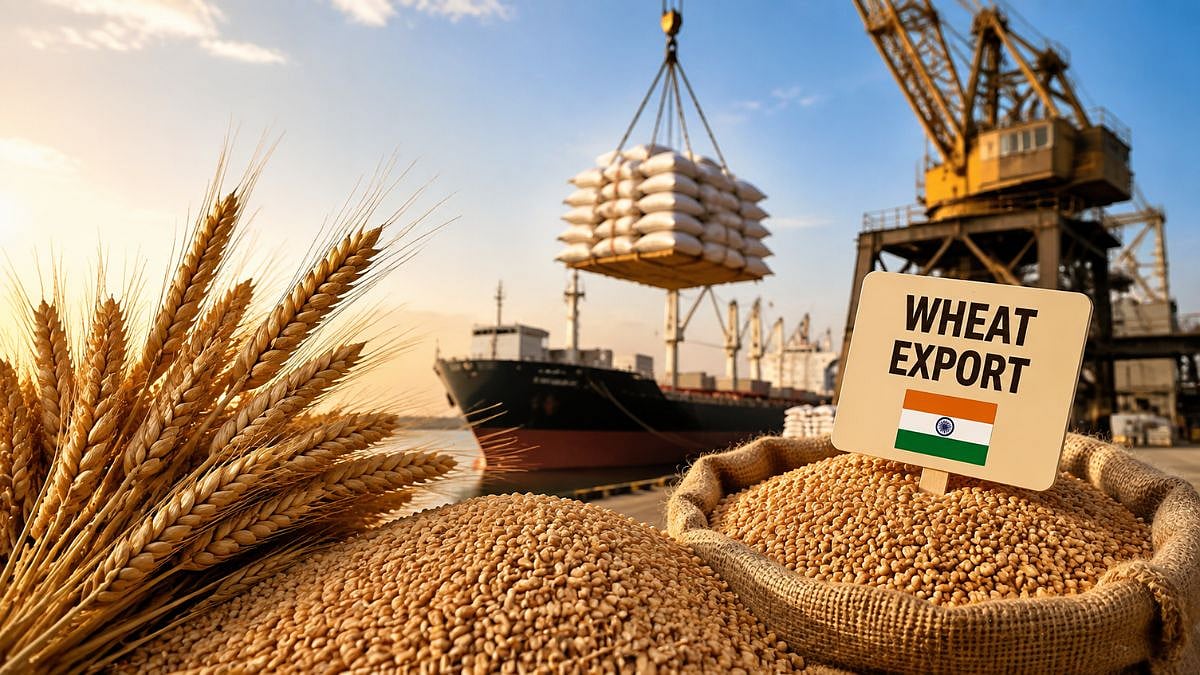
India’s Record Wheat Harvest Opens $1.5 Billion Export Window

Government Likely to Offload Wheat Stocks Next Month

Government Rejects Onion Export Curbs, Starts ₹35/kg Buffer Sales

Government shifts raw sugar imports to daily quota allocation

DGFT Automates Certificate Issuance to Speed Exporter Approvals
US China Cotton Curbs Push Indian Yarn Prices Higher

India Enhances Bank Guarantee Tracking to Streamline Export Procedures
Centre Extends Sugar Import Processing Deadline as Prices Diverge
