1 week ago
India Frees Wheat Exports After Years of Restrictions
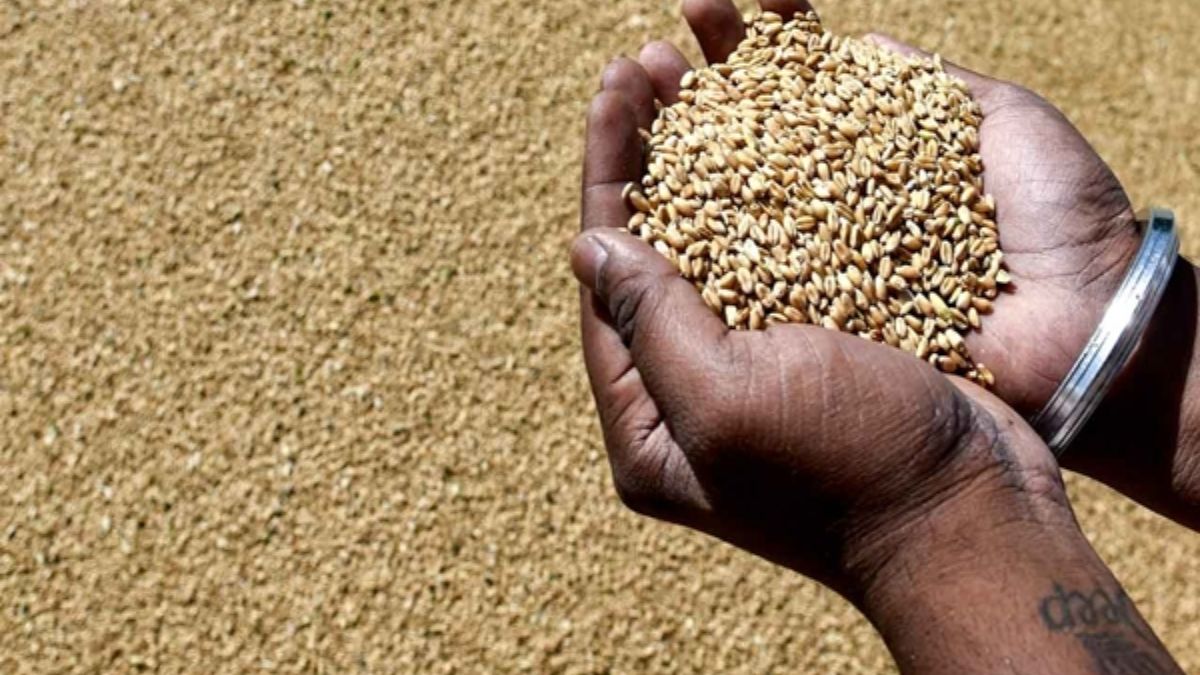
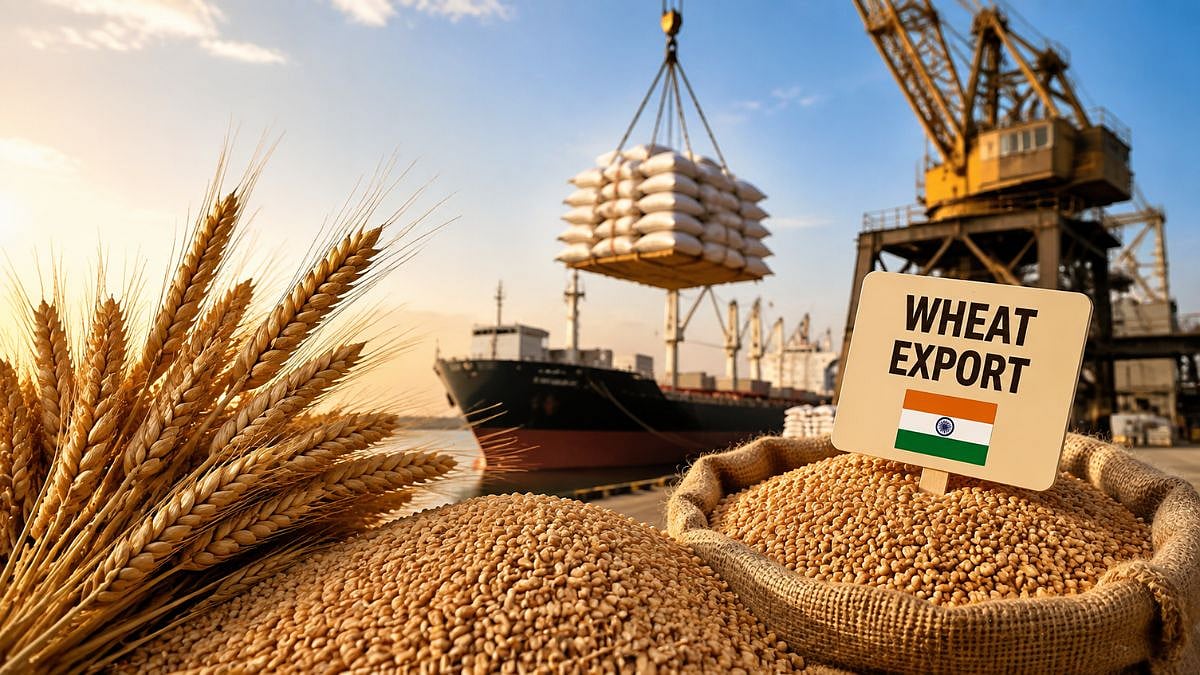
India will now let businesses export wheat and several kinds of wheat flour without government quantity limits.
The products include atta, maida and semolina.
India restricted wheat exports in May 2022 because it was worried about food supplies and rising prices at home.
The government later allowed limited amounts of wheat and wheat products to be exported.
The new decision removes those limits.
Officials and industry representatives say exports could help millers, farmers and businesses find buyers overseas.
However, farmers will benefit only if Indian wheat remains affordable after shipping costs are included.
India expects a record wheat harvest and has large government stocks.
The government will still need to watch domestic prices and food security.

The Centre immediately moved wheat and specified wheat products from the restricted to the free export category.
Covered products include wheat, atta, maida, semolina, wholemeal atta and wheat or meslin flour.
India imposed broad wheat export restrictions in May 2022 over food security, domestic supplies, prices and inflation concerns.
The government had previously permitted exports of 5 million tonnes of wheat and 1 million tonnes of wheat products.
The policy change follows record projected 2025-26 wheat production of 120.657 million tonnes and reported surplus stocks.
- Who
- The Government of India, exporters, millers and farmers are affected; Binod Anand and Navneet Chitlangia commented on the policy.
- What
- India shifted wheat and specified wheat products from the restricted export category to the free category, removing quantitative limits and conditions.
- Where
- The policy applies to exports from India, including shipments to traditional markets such as Bangladesh, Indonesia, the Philippines, Vietnam, Sri Lanka and the United Arab Emirates.
- When
- The latest change took effect immediately on Monday; broad restrictions began in May 2022. The articles differ on whether an earlier February 2026 decision represented removal of the ban or the start of easing.
- Why
- The government cited improved supplies, record production prospects and surplus stocks; the policy is also intended to improve market access, support farmer returns and help the milling sector.
Arguments for Free Exports
Caveats and Remaining Concerns
Market access
Arguments for Free Exports
Supporters say removing quotas gives exporters and millers flexibility to respond to international demand and helps India re-establish itself in global markets.
Caveats and Remaining Concerns
The actual scale of exports depends on international prices and whether Indian wheat remains competitive after logistics and freight costs.
Farmers and surplus stocks
Arguments for Free Exports
An additional overseas market could absorb surplus wheat, improve farmer realizations and reduce the risk of distress sales.
Caveats and Remaining Concerns
Export access does not guarantee higher farmer incomes if overseas prices or shipping economics are unfavorable.
Domestic food security
Arguments for Free Exports
Record projected production, large government stocks and relatively stable retail prices support the decision to relax controls.
Caveats and Remaining Concerns
The restrictions were originally introduced because of concerns about domestic availability, prices and inflation, so food security and domestic price stability remain considerations.
Key facts
- Products covered
- Wheat, wheat or meslin flour, atta, maida, semolina, wholemeal atta and resultant atta.
- Previous restrictions
- Broad restrictions were imposed in May 2022 amid concerns about food security, domestic availability, prices and inflation.
- Earlier export permissions
- The government had permitted 5 million tonnes of wheat and 1 million tonnes of wheat products before removing the quantitative framework.
- Projected wheat production
- The 2025-26 estimate is 120.657 million tonnes, compared with 117.945 million tonnes in 2024-25.
- Government wheat stocks
- The Food Corporation of India reportedly held more than 48.74 million tonnes, against a 20.52-million-tonne buffer and strategic reserve norm as of October 1.
- Recent export value
- Wheat exports were valued at $10.23 million in FY26; exports during April-June of FY27 reached $9.69 million.
- Domestic price
- The reported average retail wheat price was Rs 31.46 per kilogram, compared with Rs 31.69 per kilogram a year earlier.
Quotes
Navneet Chitlangia
President of the Roller Flour Millers’ Federation of India
“By restoring free export status, the government has not only recognised the strength and competitiveness of India’s milling sector but also created a strong platform for Indian millers to re-establish their presence in international markets.”
 financialexpress.com
“The move from a quota-based export regime to free exports is a significant shift because it gives exporters the flexibility to respond to international demand without waiting for the government to allocate additional quantities.”
 livemint.com
Sources

Related news
Government Removes Export Curbs on Wheat Flour, Maida, Semolina
India Ends Wheat Export Curbs After Three Years
India Lifts Wheat Export Curbs to Raise Farmer Returns
India’s Record Wheat Harvest Opens $1.5 Billion Export Window
Government Likely to Offload Wheat Stocks Next Month

FTAs can give Indian agriculture a bigger global footprint

West Bengal CM Crushes Nearly 2 Lakh Seized Syrup Bottles

India, Bangladesh Seek Deeper Parliamentary and People-to-People Ties

Bangladesh Radicalisation Raises Concerns About Security Spillover Into India

Bengaluru Police Transfer 31 Bangladeshi Nationals for Deportation