4 days ago
Why Vedic Sages Might Be Called Intellectual Naxals Today
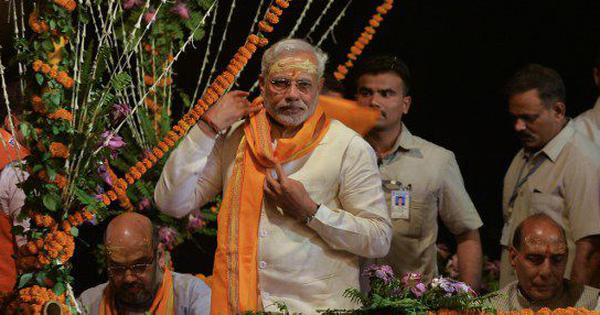
Prime Minister Narendra Modi has started using the phrase “dimagi Naxal” for people whose ideas he believes can hurt the country.
The author says this is another label for people who criticize the government.
The article looks at ancient Hindu texts called the Vedas and Upanishads.
It says these texts often ask difficult questions instead of simply accepting authority.
Some passages even wonder whether the gods know how the universe began.
The texts also describe debates between teachers and students, including a woman named Gargi.
The author says this spirit of questioning is different from treating criticism as disloyal.
The article also argues that ancient Indian society was more diverse than some modern political claims suggest.

Prime Minister Narendra Modi used the term “dimagi Naxal” to describe ideological opponents he says threaten the nation.
The article argues that the phrase resembles earlier labels such as “urban Naxal” and “anti-national” used against dissenters.
It says the Vedas and Upanishads contain traditions of skepticism, debate, pluralism, and criticism of authority.
Examples include the Rig Veda’s uncertainty about creation and the Upanishads’ challenges to divine power and religious certainty.
The author argues that Hindu nationalist attempts to claim ancient texts conflict with their intellectual diversity and the suppression of dissent.
- Who
- Prime Minister Narendra Modi, Home Minister Amit Shah, the BJP-RSS political tradition, and critics of the government are central to the article.
- What
- The article critiques the term “dimagi Naxal” and argues that ancient Vedic and Upanishadic traditions themselves embodied questioning and dissent.
- Where
- The political debate concerns India; Shah’s cited remarks were made at an event in Ahmedabad.
- When
- Modi used the phrase in his Independence Day address this year; the article also discusses developments since the BJP-led government came to power in 2014.
- Why
- The author argues that invoking the Vedas and Upanishads to support Hindu nationalism overlooks their skepticism, internal debates, pluralism, and criticism of authority.
Author’s critique
Government-aligned framing
Meaning of “dimagi Naxal”
Author’s critique
The author presents the phrase as a stigmatizing label for academics, activists, intellectuals, and other dissenting voices.
Government-aligned framing
Modi’s stated framing, as described in the article, is that ideological adherents of Naxalism remain a threat even as armed Naxalism declines.
Use of Vedic tradition
Author’s critique
The article argues that the Vedas and Upanishads emphasize skepticism, debate, and pluralism, making them a poor basis for suppressing disagreement.
Government-aligned framing
The BJP and RSS invoke the Vedic tradition as a philosophical and cultural source for a Hindu nationalist agenda.
Dissent and national loyalty
Author’s critique
The author says that equating criticism with treason conflicts with the contestation and questioning found in ancient texts.
Government-aligned framing
The government’s position, as presented, treats certain ideological challenges as dangers to the nation.
Key facts
- New political label
- Modi described ideological opponents as “dimagi Naxals,” or “intellectual Naxals.”
- Earlier label
- Critics linked the phrase to the government’s earlier use of “urban Naxal.”
- Political context
- The article says the BJP-led government has faced criticism over treatment of minorities, press freedom, and dissent since 2014.
- Rig Veda example
- The Nasadiya Sukta questions how creation began and whether anyone, including the gods, knows the answer.
- Upanishadic idea
- The article highlights the identification of atman, or self, with brahman, or absolute reality.
- Debate example
- The Brihadaranyaka Upanishad portrays Gargi Vachaknavi challenging the sage Yajnavalkya.
- Author
- Tuhin Bhattacharjee is identified as an assistant professor of philosophy at DePaul University in Chicago.
Quotes

Brihadaranyaka Upanishad
Ancient Upanishadic text quoted in a translation by Patrick Olivelle
“The gods are not pleased at the prospect of men coming to understand this.”
 scroll.in
“he is not a good Hindu who does not eat beef”
scroll.in
Sources
Related news
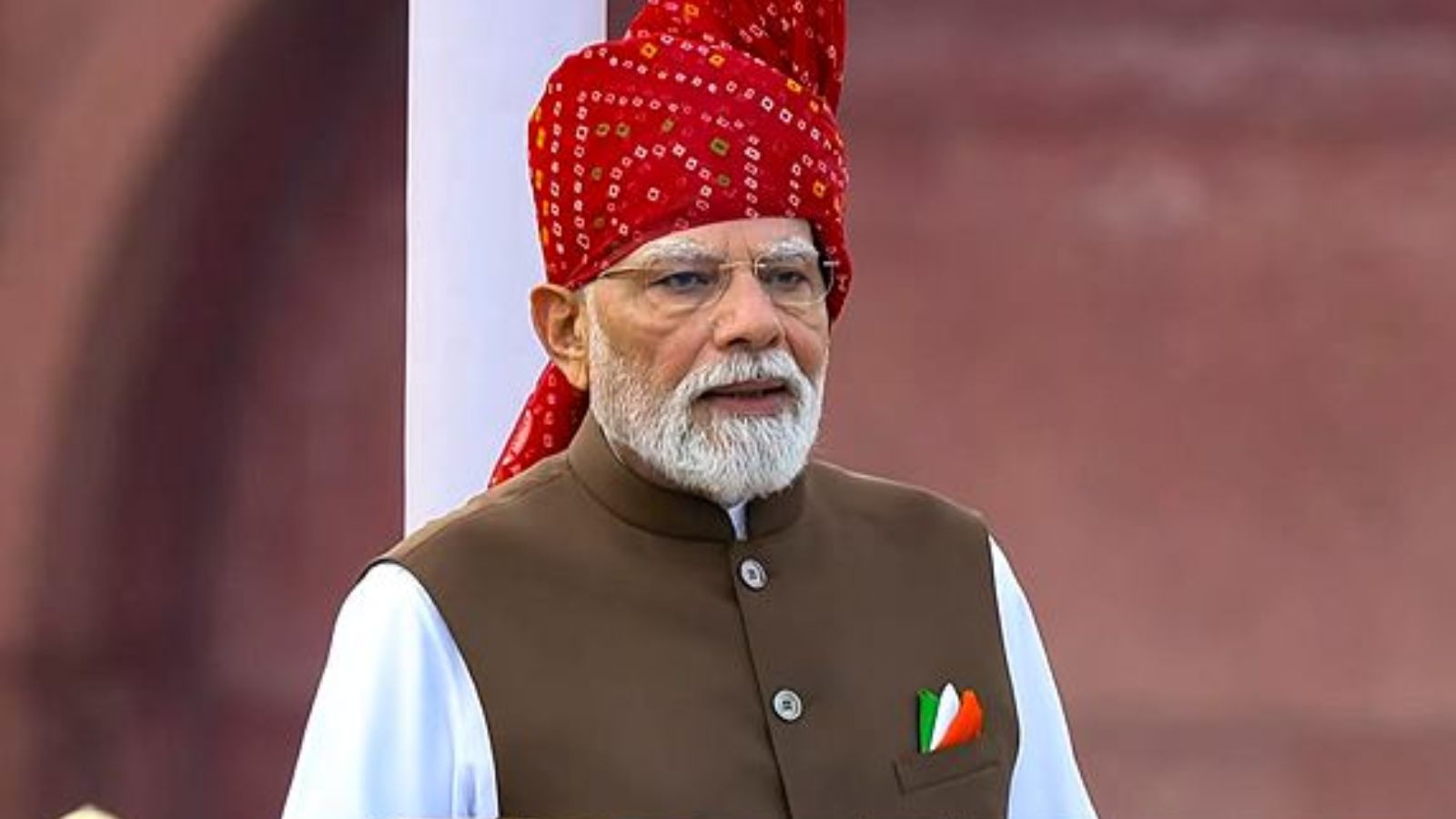
‘Dimagi Naxal’ Debate Casts Dissent as Political Threat
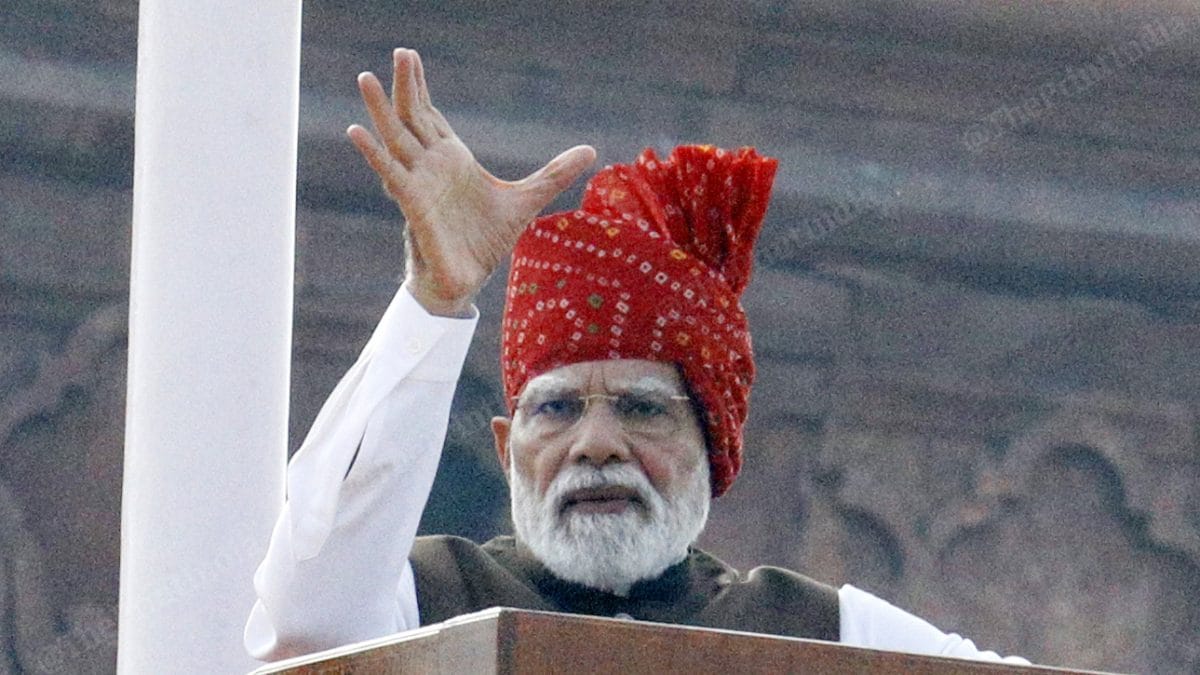
'Dimagi Naxal' remark shows Modi running out of enemies

Tavleen Singh Challenges ‘Dimagi Naxal’ Label, Defends Dissent
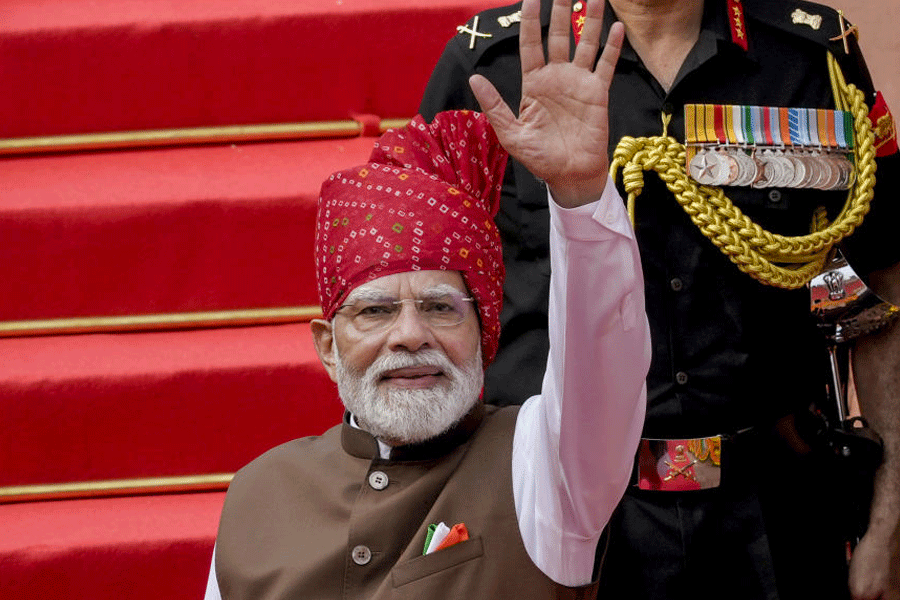
Modi's 'Dimaagi Naxal' remark sparks political row over dissent
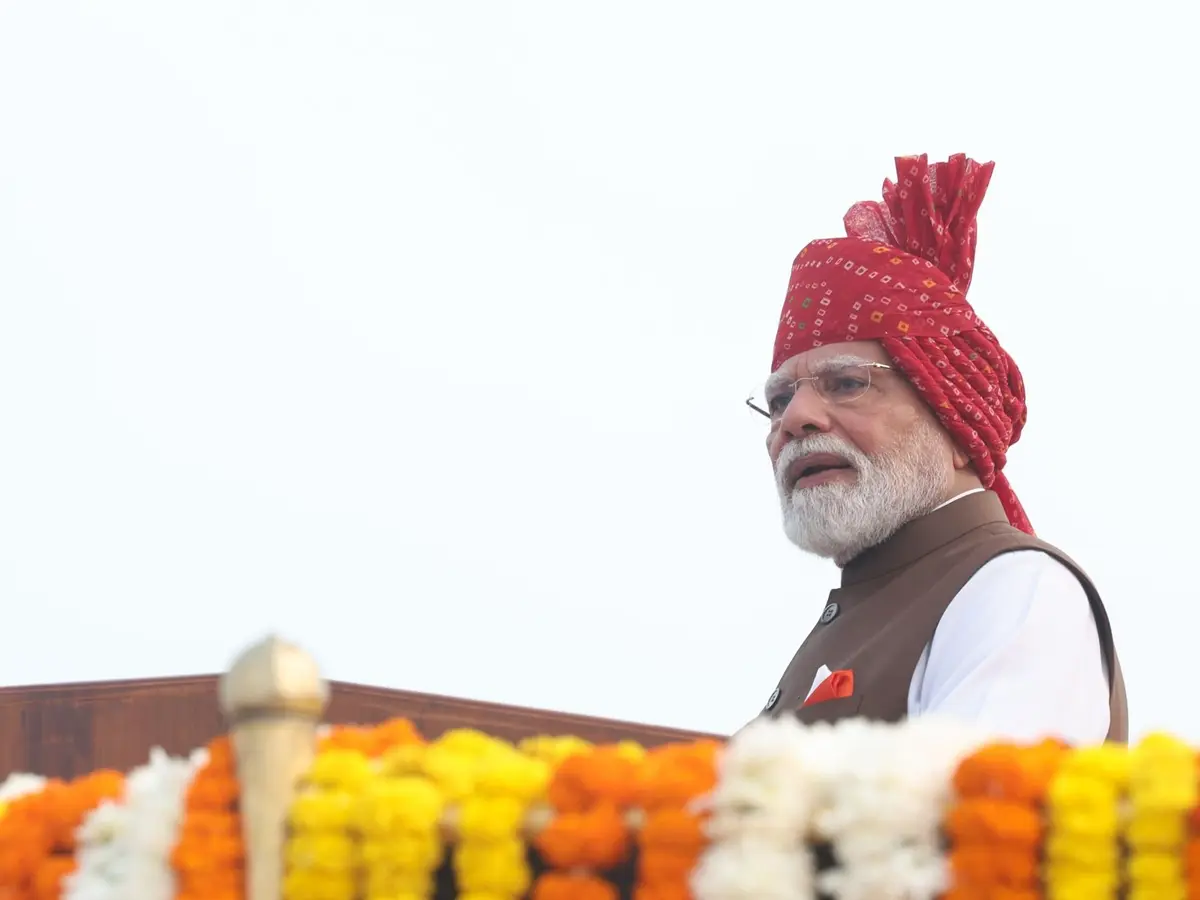
Opposition leaders hit back at Modi's 'dimagi Naxal' remark

Media Debate Intensifies Over Modi’s ‘Dimagi Naxals’ Remark