1 hr ago
Kolkata Restaurateurs Welcome Food Safety Checks, Seek Fair Enforcement
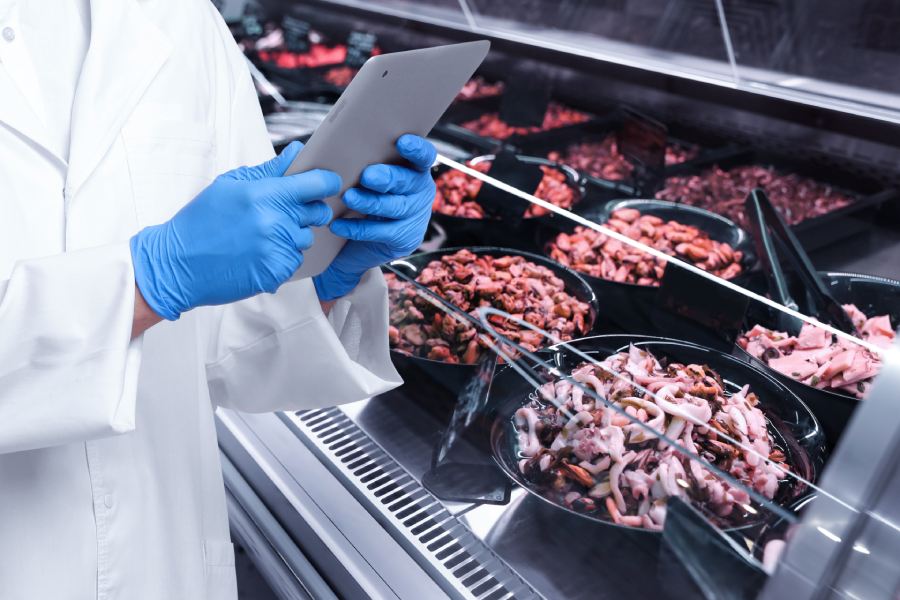
Officials in Bengal are checking restaurants to make sure food is stored and prepared safely.
They looked at kitchens, refrigerators, freezers, food supplies and licences.
The checks covered 1,730 food establishments over two days.
Officials reported problems at 1,525 of them.
Many restaurant owners said inspections are useful for protecting customers.
Some owners said their restaurants already follow cleaning and storage rules.
Other owners said inspections should happen regularly and be explained clearly.
Smaller restaurants want time to fix small problems instead of being closed immediately.

Food safety officials inspected restaurants, kitchens, freezers, food stocks and licences across Bengal.
A two-day drive covered 1,730 food establishments, with irregularities reported at 1,525.
Several Park Street restaurateurs welcomed inspections as a way to maintain hygiene and customer safety.
Restaurant owners called for regular, transparent and risk-based checks rather than licence-based compliance alone.
Smaller businesses urged officials to distinguish minor lapses from serious violations and provide guidance before closure.
- Who
- Food safety officials inspected Bengal establishments, while Kolkata restaurant owners and industry representatives responded.
- What
- A state-wide food safety crackdown involved inspections of restaurants and other food establishments.
- Where
- Across West Bengal, including restaurants on Kolkata’s Park Street.
- When
- The wider inspection drive took place over two days; Park Street inspections were reported on Friday.
- Why
- The checks aim to maintain food hygiene, safe handling and healthy operating conditions.
Stronger, Regular Enforcement
Contextual, Corrective Enforcement
Frequency and scope of checks
Stronger, Regular Enforcement
Regular, risk-based inspections are needed because holding a licence does not prove continuous compliance.
Contextual, Corrective Enforcement
Restaurateurs support checks but want them conducted transparently and with clear communication.
Response to minor violations
Stronger, Regular Enforcement
Food hygiene and handling standards should not be compromised.
Contextual, Corrective Enforcement
Smaller businesses should generally have a reasonable chance to correct minor lapses rather than face immediate closure.
Public portrayal of inspections
Stronger, Regular Enforcement
Public scrutiny can highlight food-safety concerns and encourage better standards.
Contextual, Corrective Enforcement
Some restaurant owners objected to inspections being portrayed without complete context, saying they should primarily remain matters between officials and establishments.
Key facts
- Establishments inspected
- 1,730 food establishments were covered during the two-day drive.
- Establishments with irregularities
- Irregularities were reported at 1,525 establishments in Bengal.
- Inspection areas
- Officials checked kitchens, freezers, food stocks and licences.
- Industry response
- Many restaurateurs welcomed inspections as important for customer welfare and hygiene.
- Requested inspection model
- Industry representatives called for regular, transparent and risk-based inspections.
- Small-business concern
- Smaller establishments requested a reasonable opportunity to correct minor lapses before closure.
- Existing safety practices
- Some restaurants cited FIFO storage, quality checks, cleanliness and refrigeration protocols.
Quotes
Sandip Nowlakha
NRAI Kolkata board member and Garden Cafe owner
“The only thing I don't like about the current checks is the way the teams are entering restaurants and the way some sections of the media are showing and making the news and spreading it without the complete context. FSSAI checks are a private matter between the department and the hotel or restaurant, aimed at the betterment and maintenance of a healthy environment.”
 telegraphindia.com
“A licence should not be treated as proof of continuous compliance. It should be the starting point, followed by regular, risk-based inspections to ensure that food safety standards are maintained throughout the operation.”
telegraphindia.com
Sources
Related news
Bengal Food Safety Crackdown Targets Park Street Restaurants

Bengaluru food safety drive intensifies; 11 eateries receive violation notices

Kolkata Civic Team Seizes 500 Kg Fish, Meat Stock
Maharashtra FDA Explains When Restaurants Can Lose Licences
Maharashtra Food Safety Raids Expose Gaps Beyond Restaurant Compliance

Bengaluru Elite Clubs Face Food Safety Inspections Over Hygiene Lapses

Kolkata Summons 29 Hotels Over Basic Fire Safety Violations
Gujarat’s changing food market attracts national and global brands

Kolkata restaurants seek extended hours, propose service till 4am festivals

Ownly, magicpin push for larger India food delivery share