0 months ago
Iran Nears Control of Hormuz Shipping Under Proposed Oman Deal
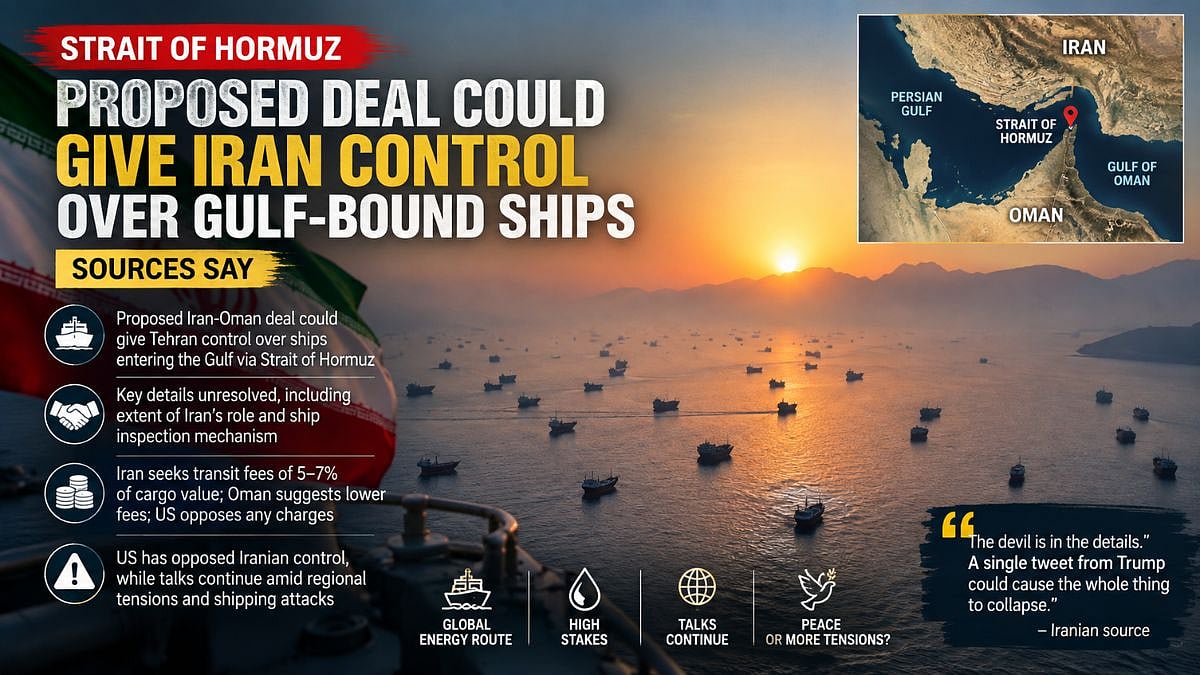
There is a very narrow strip of sea between Iran and Oman called the Strait of Hormuz.
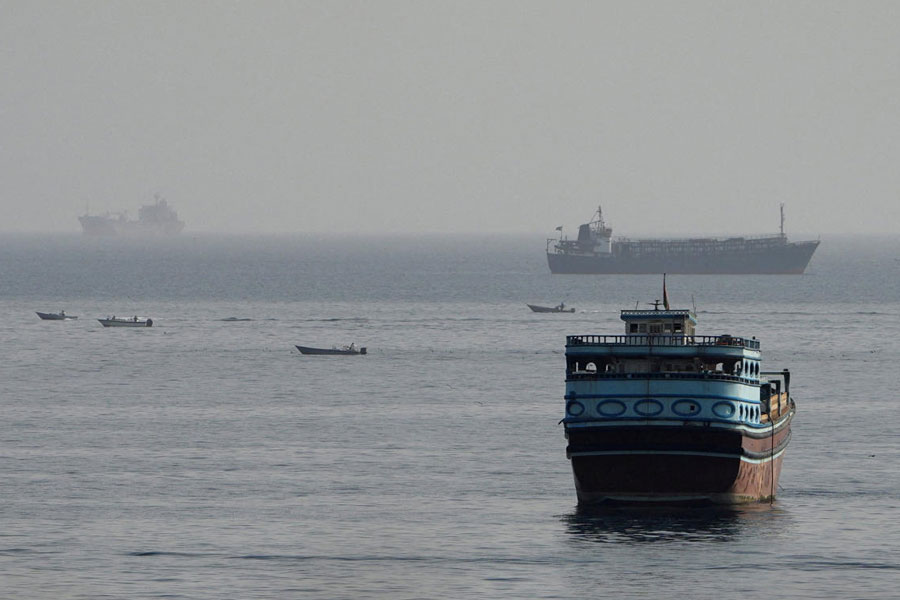
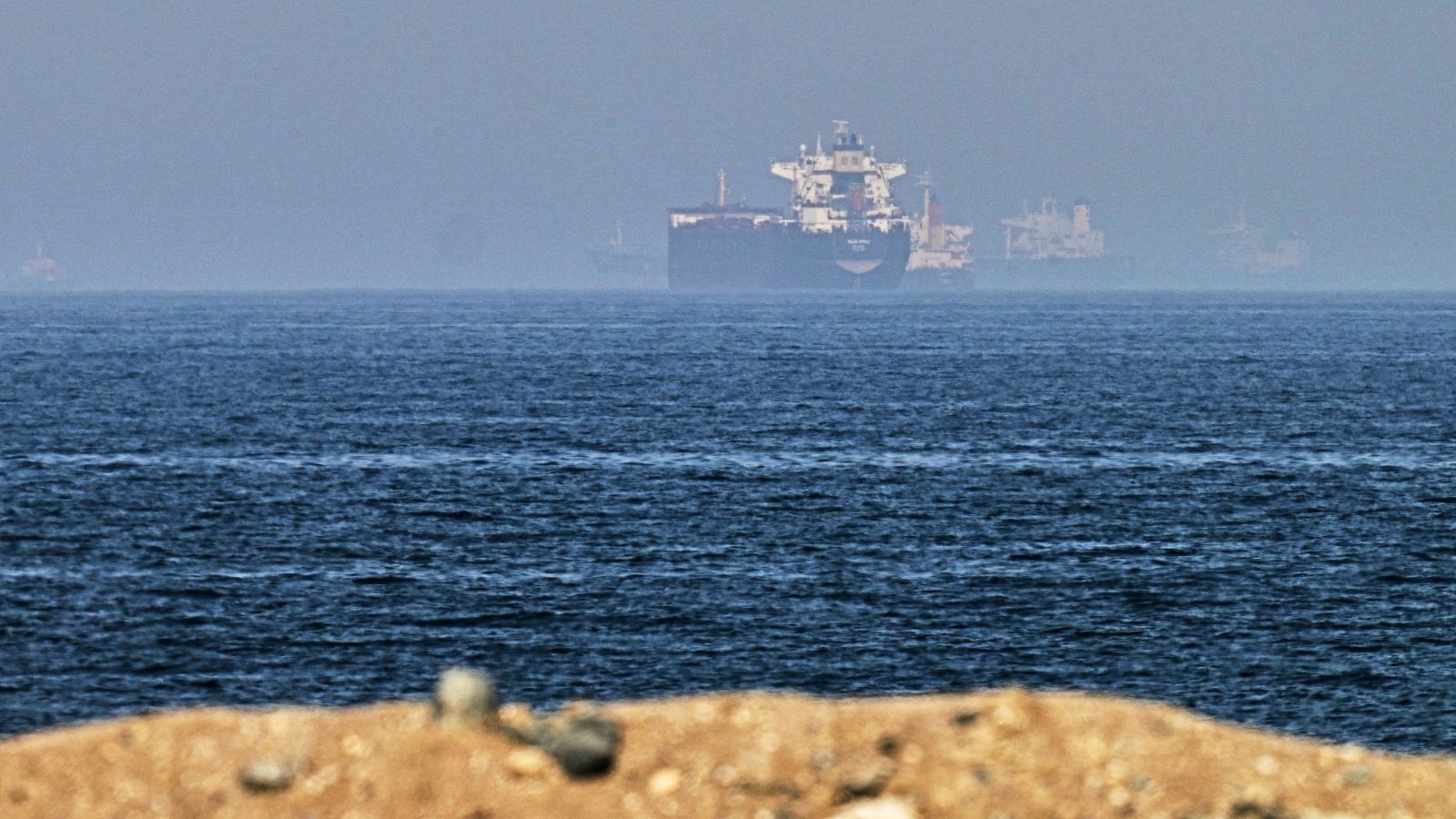
Huge ships carrying oil and gas pass through it to reach countries all over the world.
Since a war started in late February, the waterway has been mostly closed.
Iran and Oman are talking about how to reopen it.
Iran wants to check and control the ships that come in, and to charge them a fee.
The United States says it does not want Iran to have that kind of power.
Officials disagree about whether a deal is close to being finished.
Some ships near the waterway have even been attacked.
People around the world are watching because if ships cannot pass, there is less oil and prices can go up.

Iran is seeking oversight of inbound vessels entering the Gulf through the Strait of Hormuz under a proposed agreement with Oman; a senior Iranian source and two regional officials told Reuters the concession has already been made.
The 34-km-wide strait, which normally carries about one-fifth of the world's oil and liquefied natural gas shipments, has been largely blocked since the US-Israeli military campaign against Iran began in late February.
US leaders voiced optimism - Secretary of State Marco Rubio cited progress without finality and Treasury Secretary Scott Bessent said a deal could come 'today or tomorrow' - but Iranian and regional sources said key details remain unresolved.
Transit fees are a sticking point: Iran seeks 5-7% of cargo value, Oman discusses around 3%, and Washington opposes any fees; an earlier Omani equal-sharing plan was rejected by Iran.
Attacks continue: a dry bulk vessel was hit off Oman with one seafarer missing, and India's Shipping Minister Sarbananda Sonowal confirmed MSV Faize Noore Oliya sank near Yemen with all 14 crew rescued, while Houthis struck a Saudi tanker in the Red Sea.
- Who
- Iran and Oman, with the United States, Qatar and Pakistan involved in efforts to resolve the Strait of Hormuz standoff.
- What
- A proposed deal that would give Iran control over vessels inbound to the Gulf through the Strait of Hormuz, with the waterway largely blocked since the US-Israeli military campaign began.
- Where
- Strait of Hormuz and Persian Gulf, with related attacks near Oman, Yemen and the Red Sea.
- When
- Reported Wednesday, August 5, 2026; the conflict began in late February.
- Why
- To reopen a waterway that normally carries about one-fifth of the world's oil and LNG shipments and to restore stability to regional shipping and energy supplies.
Supporters of Iranian oversight
Opposed to Iranian control
Control over inbound shipping
Supporters of Iranian oversight
Iran says the mooted arrangement gives it oversight of all inbound shipping and visibility over outbound traffic, letting it intervene if necessary, and has already softened its earlier demand for full control in both directions; one regional source said the concession on 'some form of control over Hormuz' has already been made.
Opposed to Iranian control
Washington has repeatedly ruled out accepting any arrangement that formally grants Iran control over the strategic chokepoint, and Gulf negotiators are pushing for regional countries to supervise ship inspections.
Transit fees
Supporters of Iranian oversight
Iran is seeking fees equivalent to between 5% and 7% of the value of cargoes carried by ships using the strait.
Opposed to Iranian control
Washington opposes any fees; Oman is discussing lower fees of around 3%, and making payments voluntary, at least nominally, is floated as a possible compromise.
Timing of a deal
Supporters of Iranian oversight
President Trump says negotiations are 'moving along nicely' after an 'all-day negotiation' on Tuesday, that the strait 'is going to be open very soon,' and that Iran would 'get hit really hard' if it backed out again.
Opposed to Iranian control
Iranian and regional sources pushed back, saying significant details remain unresolved and it is too early to say a deal with Oman has been finalised; one cautioned that 'a single tweet from Trump could cause the whole thing to collapse.'
Key facts
- Strait width
- 34 km
- Global oil and LNG share
- About one-fifth
- Blocked since
- Late February, when the US-Israeli military campaign against Iran began
- Iran's proposed transit fee
- 5-7% of cargo value
- Oman's discussed fee
- Around 3%
- US position
- Opposes any fees and any formal Iranian control
- Rescued crew
- All 14 crew of MSV Faize Noore Oliya, including 13 Indians, rescued by the Yemeni Coast Guard
- Talks status
- Ongoing; Iranian Foreign Minister Abbas Araqchi was on holiday
Quotes
Senior Iranian source
Unnamed senior Iranian official
“"The Strait of Hormuz is going to be open very soon," Trump said. "If they back out again, they are going to get hit really hard."”
 freepressjournal.in
 rediff.com
“"There's been progress made in those talks, but not finality yet. We're hoping that will happen very shortly,"”
 livemint.com
Sources


Related news

Iran-Oman Hormuz Deal in Final Stage; Trump Says Announcement Near

Iran Says Hormuz Deal Close, Reopening Depends on US Conditions
Trump: Iran Hormuz deal could come within days
Iran, Oman Reach Understanding on Hormuz Shipping Route Coordinates
Iran Says Strait of Hormuz Deal With Oman Being Finalised
Iran, Oman Finalise Hormuz Transit Deal Amid US Threats

Chevron Plans $7 Billion Venezuela Expansion Amid U.S. Oil Push
Saudi Arabia Says Iranian Tanker Attack Killed Two Sailors
U.S.-Iran Exchange Escalates Across Middle East, Markets Slide
Trump Aides Seek Quiet Iran War Before Midterm Elections
US Warns Middle East Travelers Amid Escalating Iran-Linked Tensions