21 hrs ago
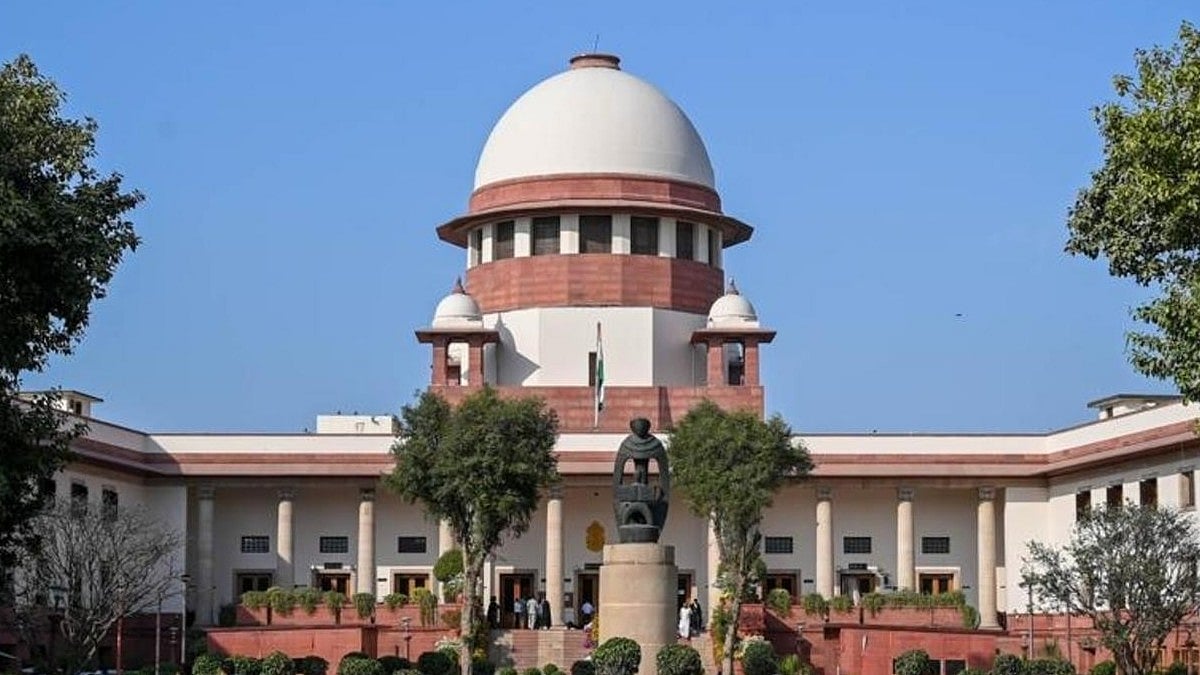
Supreme Court Quashes NEET Protest FIRs, CJP Calls Off March
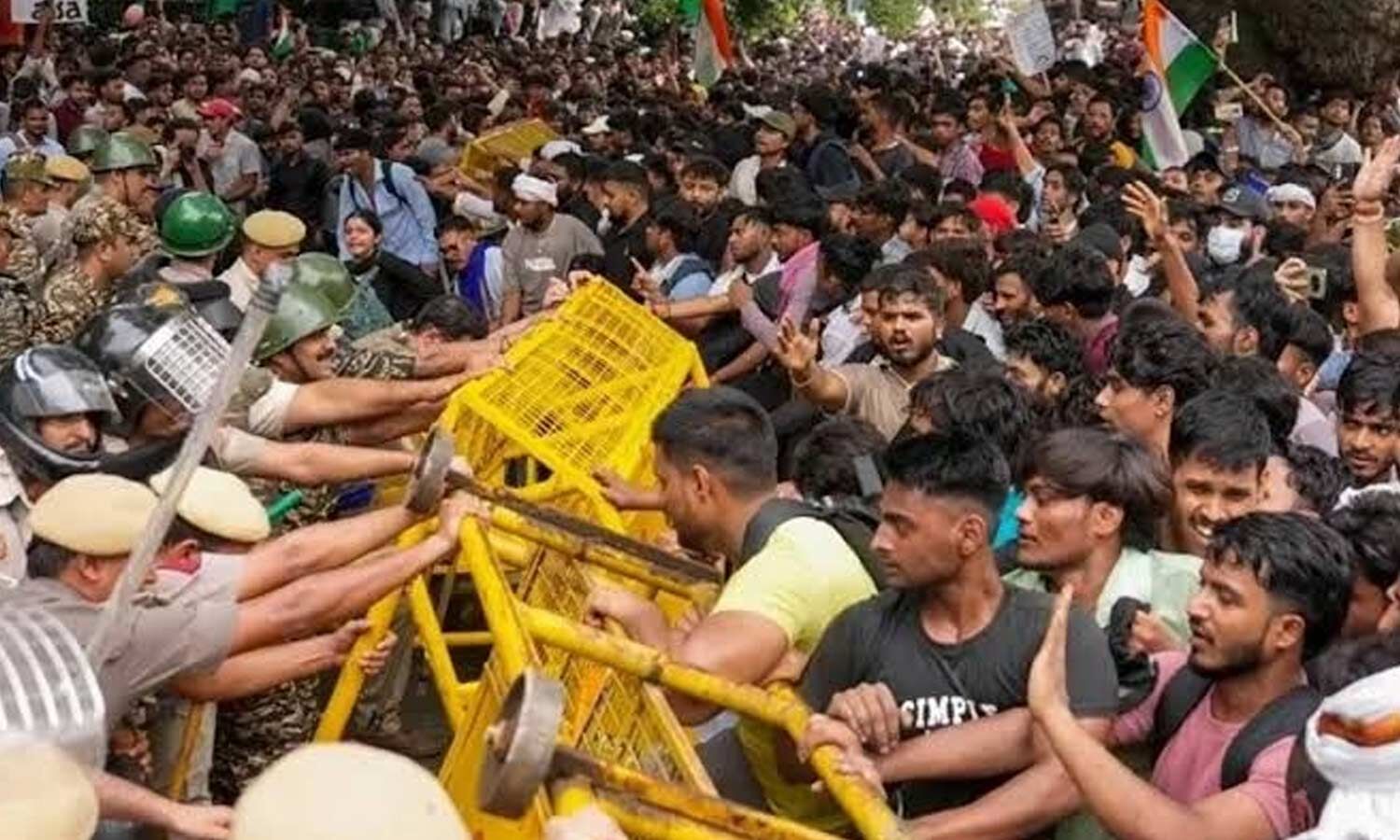
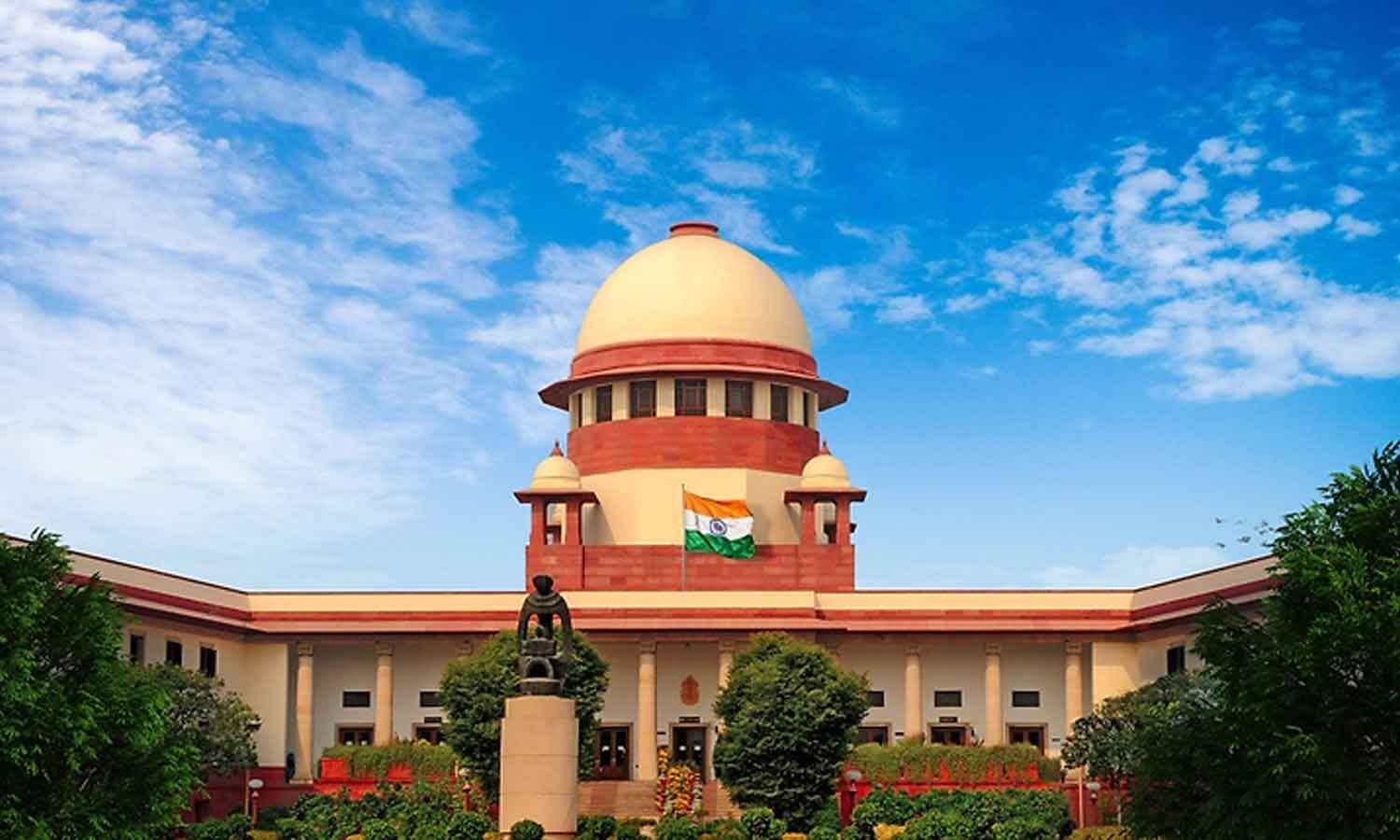
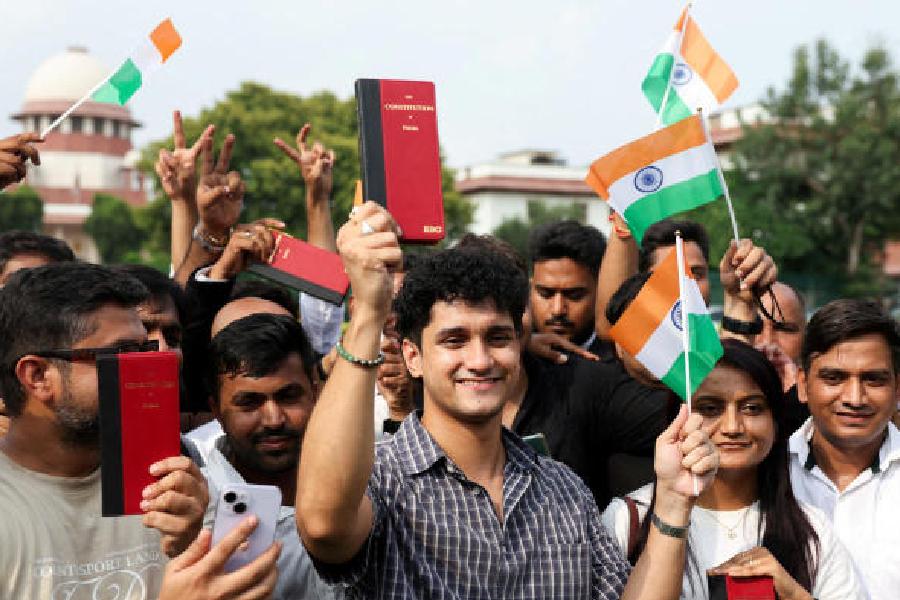
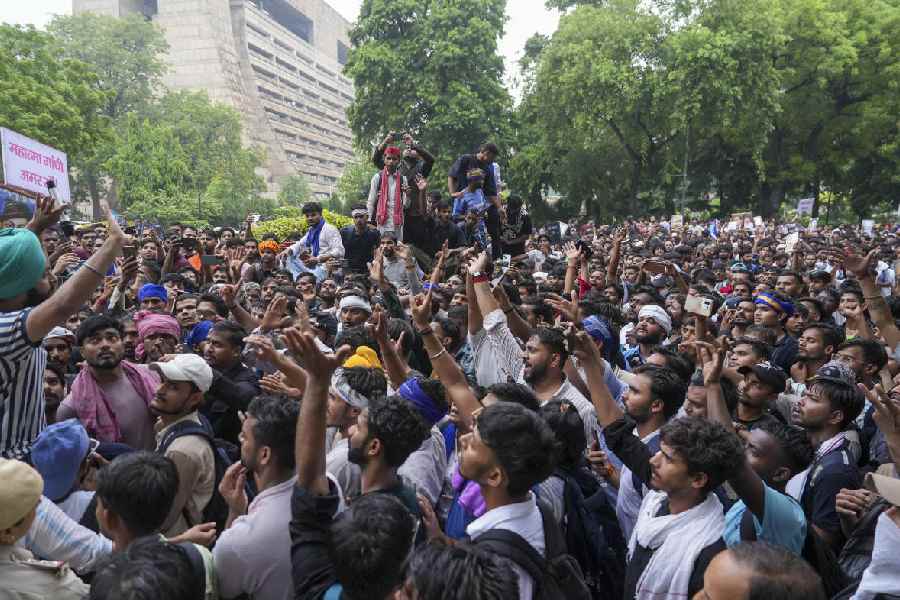
The Supreme Court closed police cases against people who joined protests about a NEET examination controversy.
The cases involved protests held from July 20 to 25.
They were registered in Delhi and four other states.
The court used a constitutional power called Article 142 to make its order.
It said the protesters should not face criminal consequences just for joining the demonstrations.
The court also said new cases about those protests should not be filed.
The government said it would work on compensation for families of students who allegedly died by suicide after developments related to the exam.
The Cockroach Janata Party then cancelled a march planned for September 5.

The Supreme Court invoked Article 142 to quash FIRs linked to NEET-related protests held from July 20 to 25.
The cases covered Delhi and Bihar, West Bengal, Assam and Maharashtra, with no further investigation or action permitted.
The court also directed that no fresh FIRs be filed over the specified protests anywhere in the country.
The Centre reaffirmed commitments on ending the cases and creating a compensation mechanism for families of students who allegedly died by suicide.
The Cockroach Janata Party withdrew its proposed September 5 Delhi march after the court’s order and government assurances.
- Who
- The Supreme Court bench led by Chief Justice Surya Kant, the Centre, police in the states involved and the Cockroach Janata Party.
- What
- The court quashed protest-related FIRs, barred fresh cases for the specified protests and recorded government commitments on compensation.
- Where
- The order was issued in New Delhi and covered FIRs in Delhi, Bihar, West Bengal, Assam and Maharashtra, with one report referring to protests anywhere in the country.
- When
- The demonstrations were reported as taking place from July 20 to 25; the court issued its order on Tuesday, and the planned September 5 march was withdrawn.
- Why
- The court said it was acting under Article 142 after the government and the protest group made commitments, so participating students would not face consequences from prolonged criminal proceedings.
Protesters and Their Lawyers
Centre and Police
Meaning of the ruling
Protesters and Their Lawyers
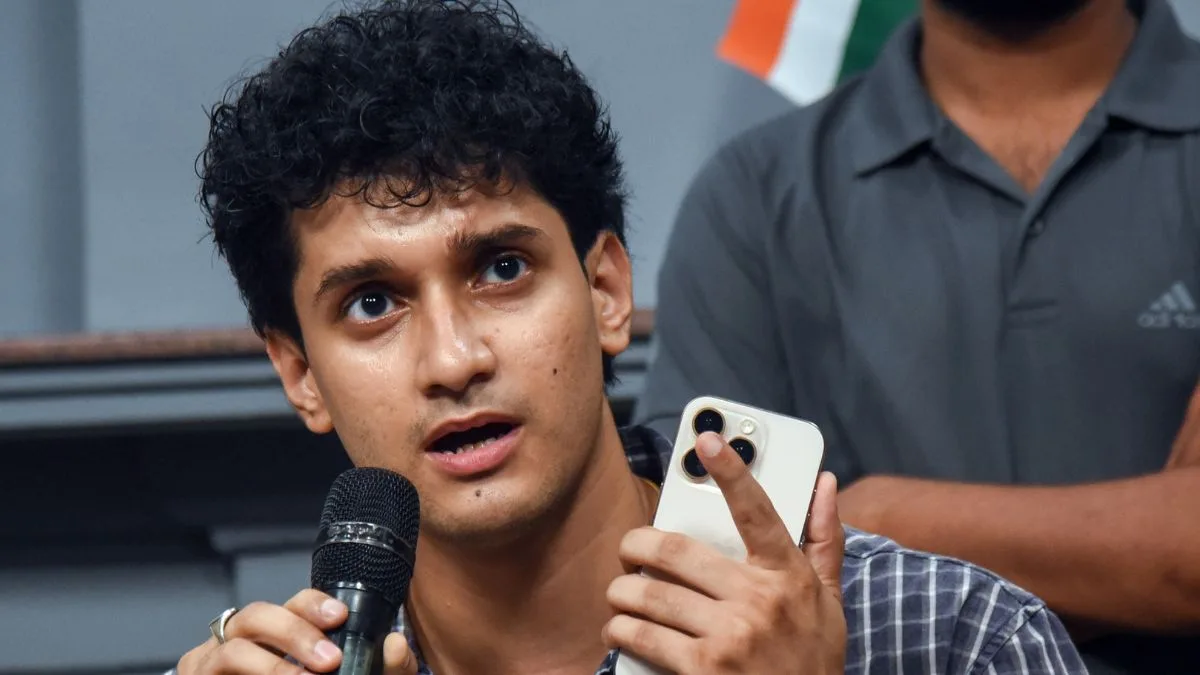
The Cockroach Janata Party called the decision historic, while advocate Vrinda Grover said it affirmed the fundamental right to protest.
Centre and Police
The Centre and the applicant states told the court they would not pursue the FIRs so participating students and youth would not face consequences from the demonstrations.
Compensation process
Protesters and Their Lawyers
The protest side said compensation for affected families would be formalised and paid within three months.
Centre and Police
Solicitor General Tushar Mehta said the Centre was committed to compensation but requested three months to frame the mechanism with states and other stakeholders.
September 5 march
Protesters and Their Lawyers
The party said it withdrew its Delhi march after receiving positive government assurances and judicial protection through the order.
Centre and Police
The government’s recorded commitments included ending the existing cases and not filing fresh ones connected with the agitation.
Key facts
- Constitutional power
- The Supreme Court invoked Article 142 to close the protest-related FIRs.
- Protest period
- The reports identify the demonstrations as occurring between July 20 and July 25.
- States covered
- Delhi, Bihar, West Bengal, Assam and Maharashtra were specifically mentioned.
- Fresh cases
- The court directed that no new FIRs be registered in connection with the specified protests.
- Compensation commitment
- The Centre said it would provide compensation to families of students who allegedly died by suicide following developments related to the NEET controversy.
- Requested timeframe
- Solicitor General Tushar Mehta sought three months to develop a compensation mechanism after consultations.
- Reporting discrepancy
- Some reports describe the matter as involving NEET-UG or NEET-2026, while the supplied accounts use differing descriptions of the examination controversy.
Sources

Related news

Supreme Court Quashes NEET Protest FIRs, CJP Cancels Rally
Supreme Court Quashes NEET Protest FIRs; CJP Calls Off March
Supreme Court Quashes Student Protest FIRs, CJP Withdraws March
Centre Seeks Supreme Court Quashing of NEET Protest FIRs
CJP Withdraws September 5 March After FIR Assurances
Supreme Court Quashes FIRs Against 15 CJP Activists
Subhash Chandra Challenges Five-Member NCLT Bench in Insolvency Case
Subhash Chandra Challenges Five-Member Bench in Insolvency Case

Subhash Chandra Challenges NCLT Bench as NCLAT Appeal Waits
NCLT halts Subhash Chandra asset sale amid lender challenge