

6 days ago
Credit Card Scams Rise as Digital Payments Expand in 2026

Scammers use fake messages, calls and websites to trick people into giving away card information.
Some pretend to be bank workers and say a card will be blocked unless the person acts quickly.
Others take over a phone number by getting a duplicate SIM card.
This can help them receive one-time passwords and bank alerts.
Criminals can also use stolen card details to shop online without having the physical card.
Fake messages about rewards or cashback are another common trick.
People should use their bank’s official app or website to check information.
They should never share passwords, OTPs, CVVs or card details through unsolicited calls and messages.
Transaction alerts and regular statement checks can help people notice fraud quickly.
The Reserve Bank of India has also introduced measures intended to protect cardholders.

Phishing, vishing and smishing scams use fake emails, calls and texts to steal card details, OTPs and CVVs.
SIM-swap fraud lets criminals intercept phone-based OTPs and banking alerts after taking control of a victim’s number.
Card-not-present fraud uses stolen card data to make online purchases without a physical card or PIN.
Fake reward-point offers lure users with expiring-point warnings or cashback promises before requesting sensitive information.
The Reserve Bank of India advises protections including transaction authentication, SIM-swap alerts, tokenisation and limited liability for promptly reported fraud.
- Who
- Credit card users are targeted by fraudsters using digital payment scams.
- What
- Scammers use phishing, vishing, smishing, SIM-swap fraud, card-not-present fraud and fake reward-point offers to obtain information or make unauthorised transactions.
- Where
- The scams operate through emails, phone calls, SMS messages, websites, mobile networks and online shopping platforms, including card use in India.
- When
- The article discusses scams described as current or emerging in 2026.
- Why
- Fraudsters seek card details, authentication codes and access to phone numbers so they can steal banking information or conduct unauthorised transactions.
Key facts
- Phishing methods
- Phishing uses fake emails and websites; vishing uses voice calls; smishing uses SMS messages.
- SIM-swap risk
- A duplicate SIM can allow fraudsters to intercept OTPs and bank alerts.
- Online purchase fraud
- Card-not-present fraud uses stolen card numbers, CVVs and expiry dates for online purchases.
- Reward scam tactic
- Fraudsters claim reward points are expiring or offer cashback to obtain card details.
- Authentication threshold
- The article states that cardholders must enter OTPs and PINs for transactions exceeding ₹5,000.
- Fraud reporting protection
- The article states that cardholders can receive zero-liability protection for fraud reported within three days.
- Tokenisation rule
- The article states that merchants are not permitted to store card numbers under the Reserve Bank of India’s tokenisation push.
Sources
Related news

What To Do After Spotting an Unauthorized Credit Card Transaction
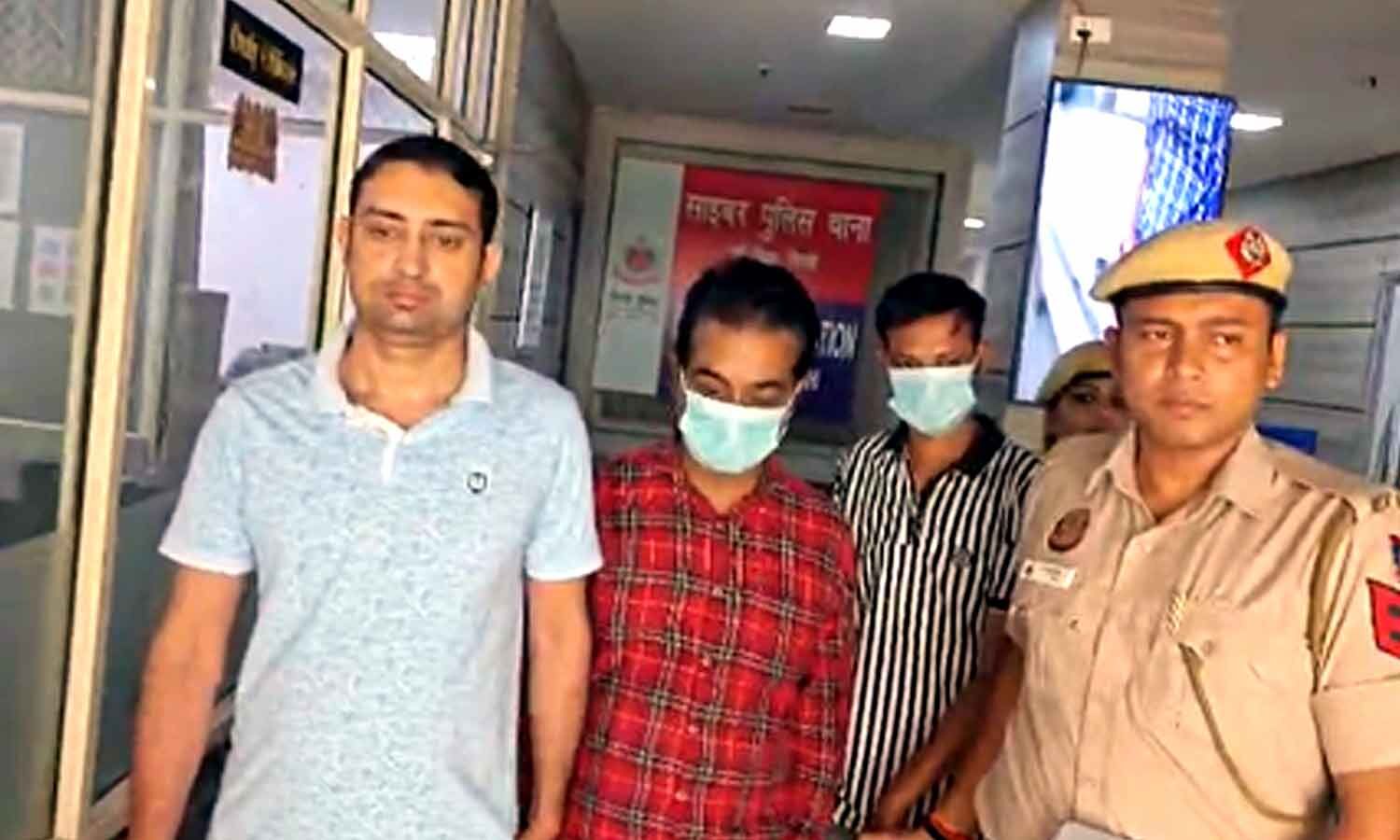
Fake HDFC Bank call costs Delhi resident Rs 1 lakh

How to Spot Fake Bank SMS Before Scammers Trick You

Deepfake Fraud Scams Exploit Trust Through Fake Voices and Videos

Contactless Tap-to-Pay Credit Cards: How They Work and Their Limits
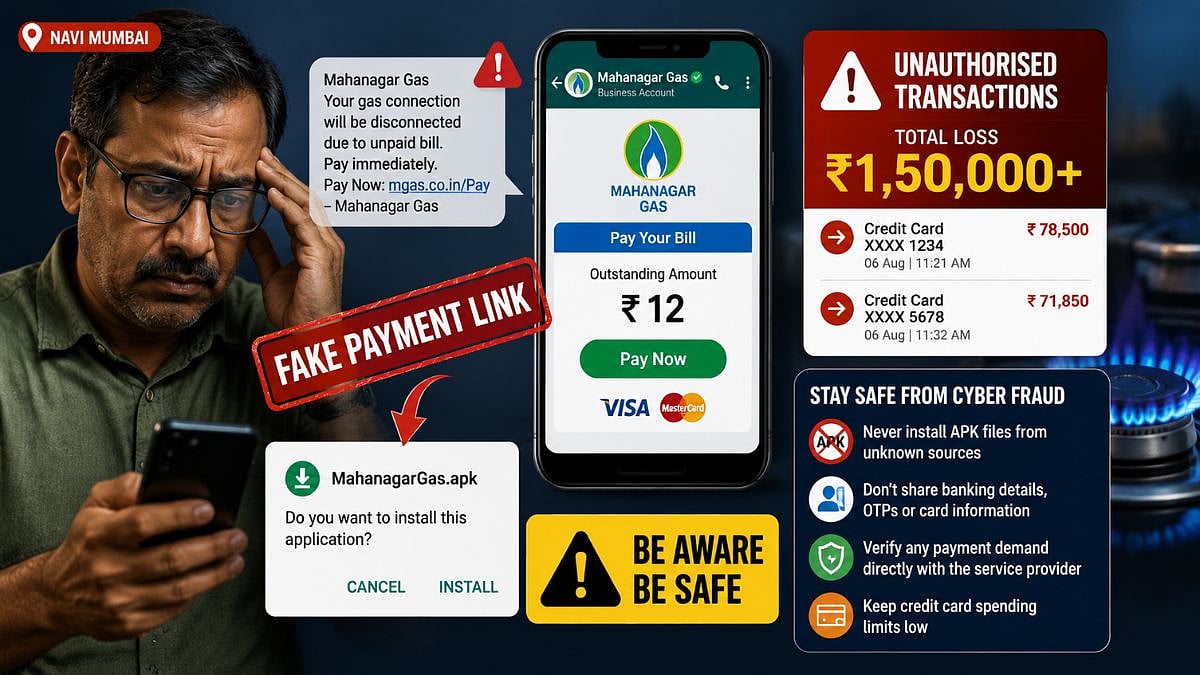
Environment Activist Duped of ₹1.5 Lakh in Gas Bill Scam

India's 7.8% GDP Growth Sparks Questions Over Economic Reality

RBI Calls for Stronger Governance in Cooperative Banks

Government Defends 7.8% GDP Growth as Congress Raises Doubts

India Draws Record $127 Billion Through Special FCNR Window
RBI Forex Swap Attracts Record $136.37 Billion Inflows
