

1 week ago
What To Do After Spotting an Unauthorized Credit Card Transaction

An unauthorized transaction is a payment made with your card without your permission.
First, check the purchase details to make sure you do not recognize the merchant name or charge.
If it still looks suspicious, block your card to stop more payments.
Tell your bank as soon as possible using its app, website, helpline, or branch.
The bank will investigate what happened and may ask you for information.
The time needed to resolve the issue depends on the case and the bank’s process.
Change passwords for accounts that may be connected to your card and keep checking your statements.
Never give your PIN, CVV, or OTP to unknown people.

Review the transaction’s amount, merchant, date, time, and possible supplementary-card use.
Block or temporarily disable the card through banking services or customer support.
Report the suspicious transaction to the bank immediately through available channels.
Review recent activity, secure linked accounts, and continue monitoring for new charges.
Never share PINs, CVVs, or OTPs, and use alerts and trusted websites to reduce fraud risk.
- Who
- Credit cardholders should contact their bank when they find a transaction they did not authorize.
- What
- The guidance explains how to identify, report, and respond to unauthorized credit card transactions.
- Where
- Reports can be made through mobile banking, internet banking, a customer-care helpline, or a bank branch.
- When
- Cardholders should act immediately after verifying that a transaction is not theirs and continue monitoring afterward.
- Why
- Prompt action can help prevent further unauthorized transactions, limit potential losses, and support the bank’s investigation.
Key facts
- Unauthorized transaction
- A payment made using a credit card without the cardholder’s knowledge or approval.
- First check
- Verify the transaction amount, merchant name, date, time, and possible use by family members with supplementary cards.
- Immediate protection
- Block or temporarily disable the card and consider restricting international or online transactions.
- Reporting channels
- Mobile banking, internet banking, customer care, or the nearest bank branch.
- Investigation outcome
- Resolution depends on the transaction, investigation findings, reporting time, and applicable bank policies.
- Potential causes
- Phishing, fake websites, data breaches, unsecured online transactions, lost cards, or other fraudulent activity.
- Safety practices
- Enable alerts, use trusted websites, avoid unsecured public Wi-Fi, and never share PINs, CVVs, or OTPs.
Sources
Related news

Credit Card Scams Rise as Digital Payments Expand in 2026
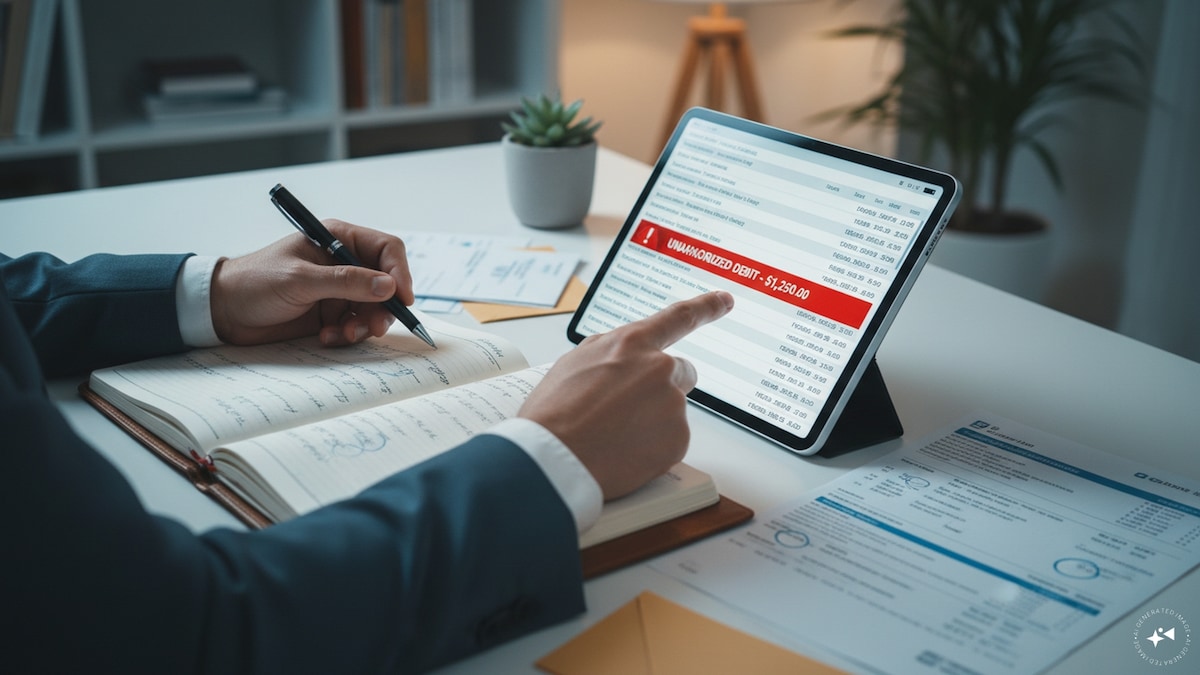
How to Recover Money From Wrong Bank Debits and Charges
Kerala commission orders Federal Bank to refund Rs 9,854 loss

Contactless Tap-to-Pay Credit Cards: How They Work and Their Limits
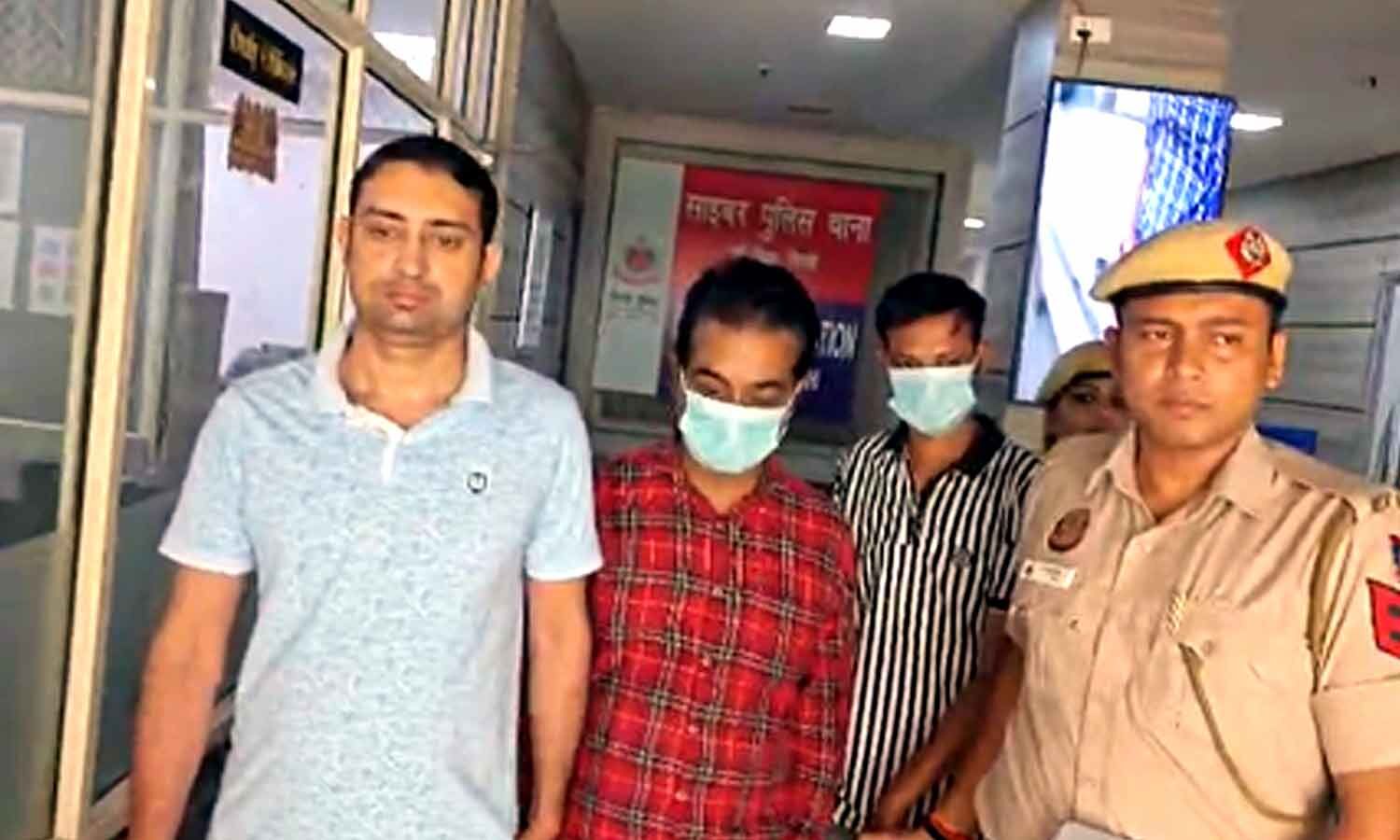
Fake HDFC Bank call costs Delhi resident Rs 1 lakh
