

2 weeks ago
Contactless Tap-to-Pay Credit Cards: How They Work and Their Limits

Some credit cards let you pay just by tapping them on a special machine.
This is called tap-to-pay or contactless payment.
The machine and the card talk to each other using a special wireless technology called NFC.
You do not have to slide or push your card into the machine, so paying is very fast.
The card stays in your hand the whole time, which keeps it safer.
There are rules to protect your money, like secret codes, encryption, and alerts when you pay.
In India, you can only tap-to-pay for smaller purchases, up to 5,000 rupees at one time.
If the payment is bigger, you may need to type your PIN.
Not every shop has a machine that can read taps, so sometimes you still have to insert your card.
You should keep your card safe, watch your statements, and report it right away if it is lost or stolen.

Contactless tap-to-pay payments use Near Field Communication (NFC) technology to complete transactions by tapping a card on an NFC-enabled point-of-sale (POS) terminal.
Transactions typically finish within seconds because the card does not need to be inserted or swiped.
Security measures include encrypted transaction data, secure authentication protocols, real-time transaction alerts, fraud monitoring systems, and instant card blocking via mobile banking.
Per Reserve Bank of India (RBI) guidelines, the maximum contactless transaction amount is Rs. 5,000, and transactions above that limit may require a PIN or additional authentication.
Not every merchant has an NFC-enabled machine, and only credit cards equipped with contactless functionality can be used for tap-to-pay, so older cards may require insertion or swiping.
- Who
- Credit card holders in India using contactless tap-to-pay, merchants accepting NFC payments, and the Reserve Bank of India (RBI), which sets transaction limits.
- What
- Contactless tap-to-pay credit card payments powered by Near Field Communication (NFC) technology, including how they work, their security features, benefits, and limitations.
- Where
- India, where NFC-enabled machines are increasingly accepted at retail stores, restaurants, supermarkets, fuel stations, pharmacies, and other merchants in urban and semi-urban locations.
- When
- Not explicitly stated; the article describes the current availability and use of contactless payments in India.
- Why
- To offer a faster, more convenient, and secure way to complete everyday purchases, while RBI-imposed limits and authentication rules protect users.
Key facts
- Payment method
- Contactless tap-to-pay via Near Field Communication (NFC)
- Maximum transaction limit
- Rs. 5,000 per transaction (per RBI guidelines)
- Authentication above limit
- PIN or additional authentication required
- Security features
- Encrypted data, secure authentication, real-time alerts, fraud monitoring, instant card blocking
- Where accepted
- Retail stores, restaurants, supermarkets, fuel stations, pharmacies, convenience stores
- Card requirement
- Credit cards with contactless/NFC functionality only
- Transaction speed
- Completed within a few seconds
Sources
Related news

Credit Card Scams Rise as Digital Payments Expand in 2026

Apple Pay India Launch Planned by October Without UPI

What To Do After Spotting an Unauthorized Credit Card Transaction
Axis Bank Adds Separate UPI Limits for Payment Categories
CheQ launches UPI offering with up to 2.5% rewards

CheQ Launches UPI Payments With Rewards for RuPay Credit Cards
Choosing Between Personal Loan, FD, and Credit Card
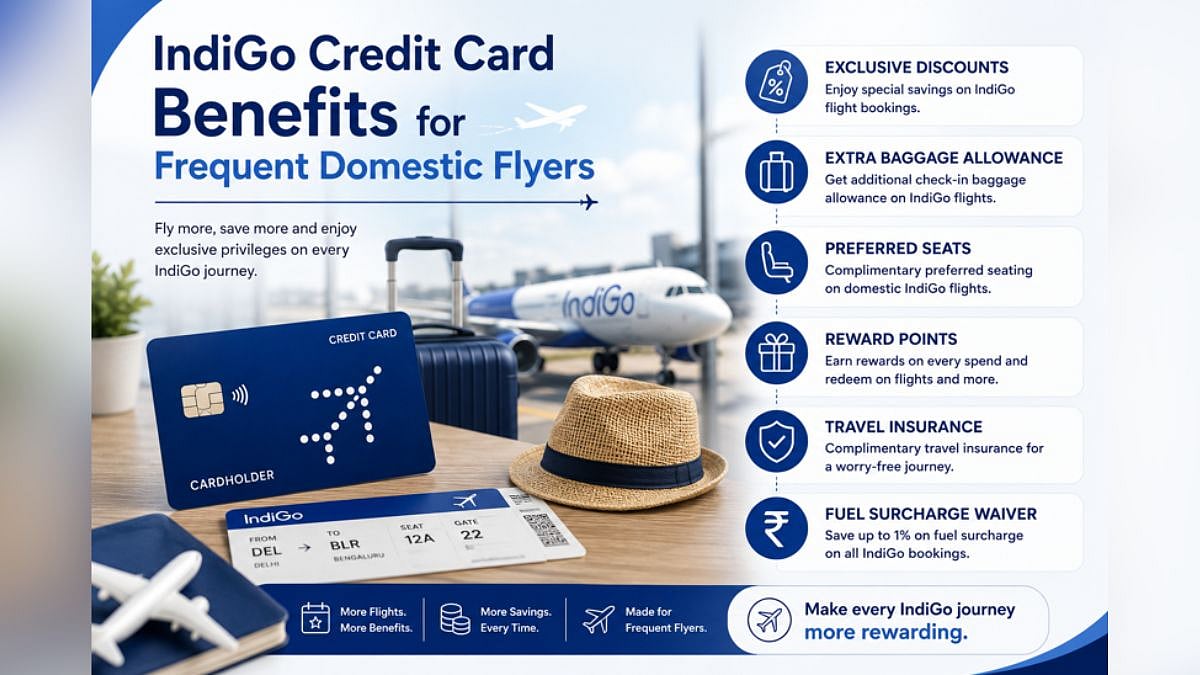
IndiGo Credit Card Benefits for Frequent Domestic Flyers

Guwahati Youth's Rising Debt Trap Due to Credit Card Usage

Credit Card Cash Advance: Understanding Its Costs and Risks
