5 days ago
Deepfake Fraud Scams Exploit Trust Through Fake Voices and Videos
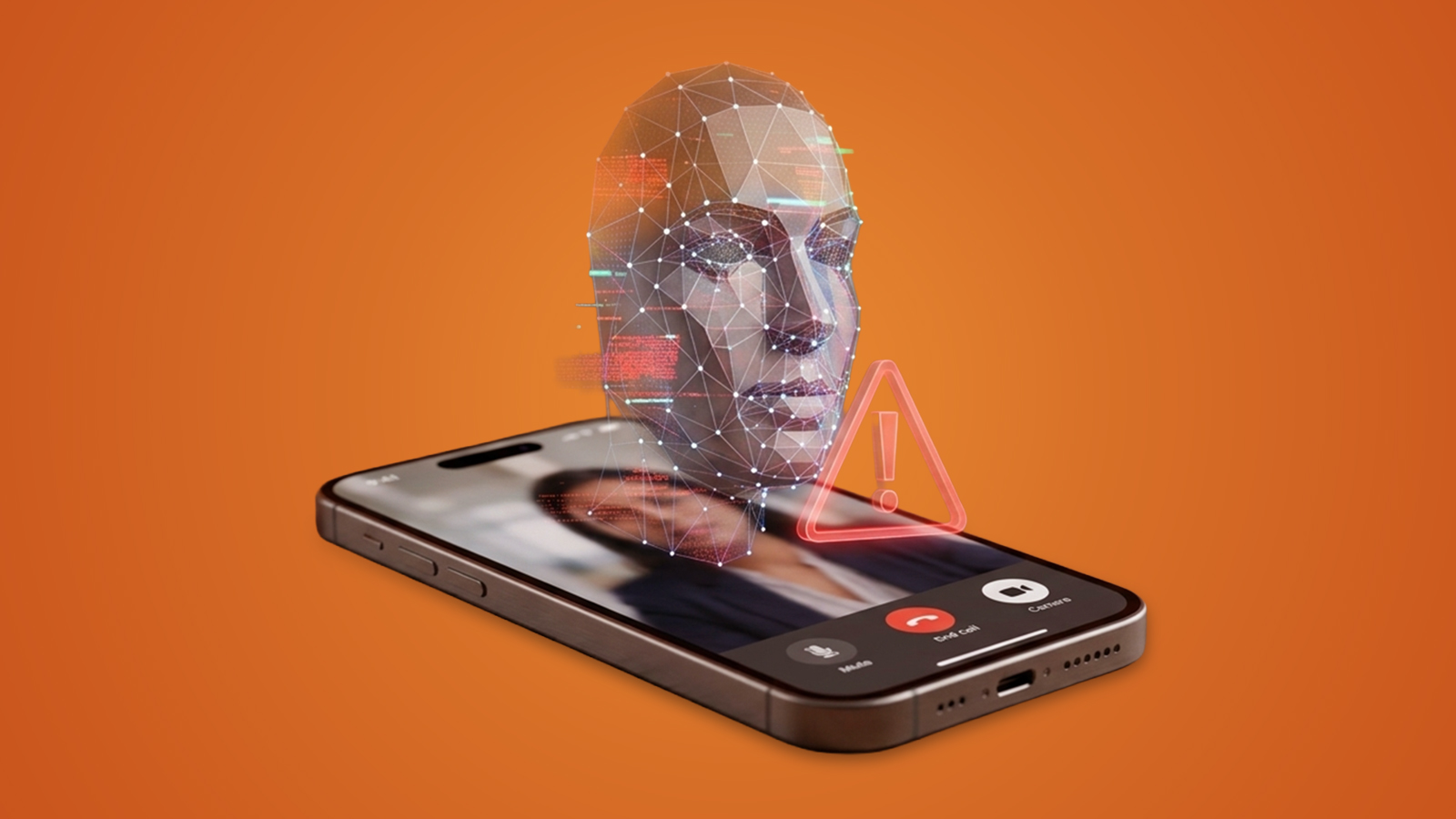
Deepfake fraud uses artificial intelligence to make fake videos, pictures, or voices of real people.
Criminals use these fakes to pretend to be someone you trust.
They may ask for money, passwords, OTPs, or banking information.
They often create a sense of urgency so you do not have time to check the request.
Strange blinking, poor lip-sync, odd lighting, or a robotic voice can be warning signs.
A familiar face or voice is not enough proof that a call is genuine.
Contact the person again using a trusted phone number before taking action.
Avoid suspicious links and keep fewer personal recordings available publicly.
Suspected fraud can be reported to Indian cybercrime authorities.

Scammers use AI-generated videos, audio, and images to impersonate trusted people and steal money or sensitive information.
Deepfake scams may involve fake bank officials, executives, relatives, celebrities, or financial advisers.
Common warning signs include urgent requests, demands for OTPs or PINs, suspicious links, and visual or audio glitches.
People are advised to verify unusual requests through trusted contact details and limit personal media shared publicly.
Suspected online fraud can be reported through the Cyber Crime Portal, helpline 1930, or Sanchar Saathi.
- Who
- Scammers using artificial intelligence, while potential victims may be contacted as relatives, bank customers, employees, or investors.
- What
- A warning about deepfake-enabled fraud involving fake videos, audio, images, calls, endorsements, and requests for money or sensitive information.
- Where
- Deepfake scams can occur through video calls, phone calls, messaging apps, social media, advertisements, and fraudulent investment platforms.
- When
- The article says the Indian government and regulators introduced stricter IT rules in 2026 to address the growing concern.
- Why
- Scammers exploit trust in familiar faces and voices, rapid digital communication, and the difficulty of detecting synthetic media.
Key facts
- Main threat
- AI-generated videos, audio clips, or images used to deceive victims.
- Common targets
- Bank officials, company executives, financial advisers, family members, and celebrities.
- Criminal goals
- Stealing money, OTPs, PINs, banking credentials, or investment funds.
- Warning signs
- Urgent demands, suspicious links, visual glitches, mismatched lip movements, odd lighting, and robotic voices.
- Recommended verification
- End the call and contact the alleged person through a verified number or official channel.
- Cybercrime helpline
- 1930
- Online reporting
- Cyber Crime Portal at cybercrime.gov.in and Sanchar Saathi at sancharsaathi.gov.in
Sources
Related news

Nurse duped Rs 4 lakh using Ratan Tata deepfake video

Tamil Nadu Cybercrime Probe Targets Deepfake Impersonating CM Vijay

Boss Scam: How Hackers Hijack WhatsApp CEO Accounts for Fraud

Nashik Businessman Loses Lakhs in Fake Crypto Trading Scam

Case Registered Over Fake AI Video of Top Kerala Cop
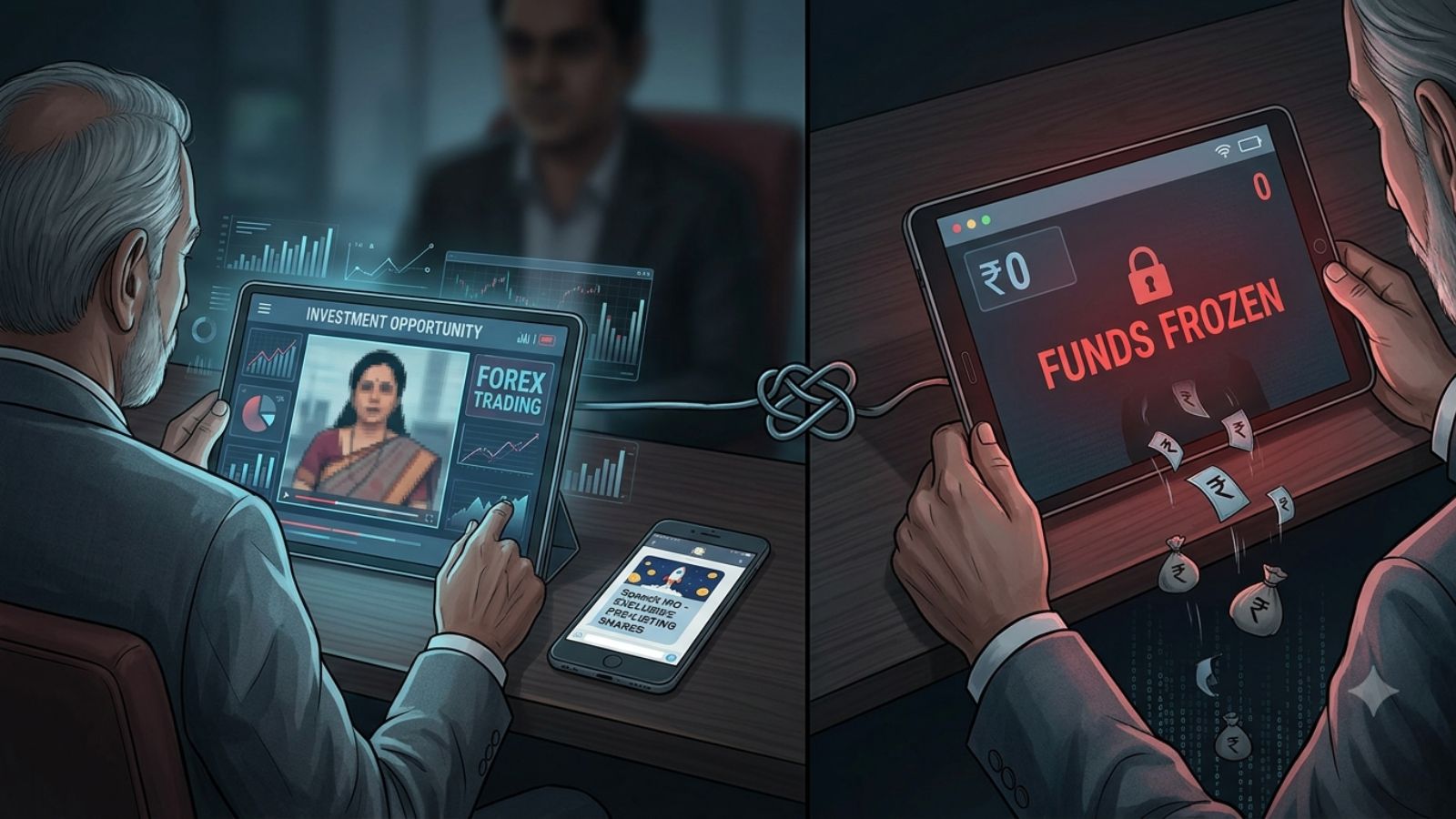
Retired Banker Duped in Rs 1.05 Crore Digital Arrest Scam

DoT Warns IMEI Tampering Can Bring Jail, ₹50 Lakh Fine

Indore Police Return 238 Lost Phones Worth ₹75 Lakh

Mumbai Police Bust Fake CEO Cyber Fraud Racket, Two Arrested

India Disconnects 88 Lakh Suspicious Mobile Connections