3 weeks ago
Saudi Arabia, Pakistan, Turkey Sign Joint Defence Agreement in Mecca
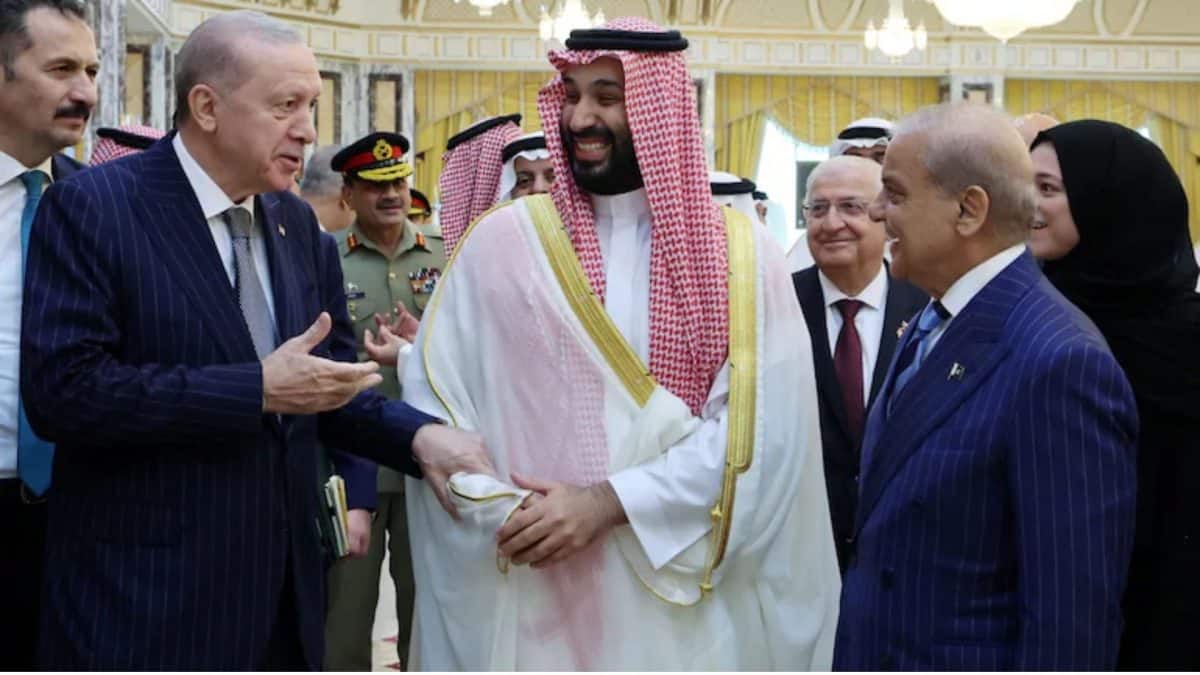
Three countries — Saudi Arabia, Pakistan, and Turkey — decided to team up to help keep each other safe.
On August 7, 2026, they signed a special promise in the city of Mecca.
The promise says that if one of them is attacked, the other two will come and help.
Each country brings special skills: Saudi Arabia has money, Pakistan has a strong army, and Turkey makes clever machines called drones.
They teamed up because the United States asked them to do something they didn't want to do.
The US wanted them to become friends with Israel, but they said no.
The deal was signed by Saudi Crown Prince Mohammed bin Salman, Turkish President Recep Tayyip Erdogan, and Pakistani Prime Minister Shehbaz Sharif.
Some other countries are not happy about the new promise.
Iran says the promise is just a piece of paper and won't keep them safe.
India is watching closely to see what happens next.

Saudi Arabia, Pakistan and Turkey signed a Joint Defence Agreement on August 7, 2026, in Mecca, establishing a collective security framework.
The pact treats an armed attack on any member as an attack on all three, similar to NATO's Article 5 mutual defence clause.
The alliance was formed after the three nations rejected US demands that they sign the Abraham Accords and normalise ties with Israel.
It covers intelligence sharing, joint military training, technology transfers, and cooperation in defence industries and manufacturing.
Iran dismissed the pact as a 'paper agreement', while India said it is 'closely following the development'.
- Who
- Saudi Arabia, Pakistan and Turkey, represented by Saudi Crown Prince Mohammed bin Salman, Turkish President Recep Tayyip Erdogan and Pakistani Prime Minister Shehbaz Sharif.
- What
- Signed the Joint Defence Agreement, a collective security framework in which an armed attack on one member is treated as an attack on all three.
- Where
- Mecca, Saudi Arabia.
- When
- Signed on August 7, 2026, following a US-Saudi civilian nuclear cooperation deal in July 2026.
- Why
- To build 'collective deterrence' amid regional turmoil and after rejecting US security guarantees made contingent on joining the Abraham Accords.
Defensive deterrence
'Islamic NATO' concern
Nature of the pact
Defensive deterrence
The three nations say the agreement is strictly defensive and aims to build 'collective deterrence' without targeting any specific nation.
'Islamic NATO' concern
Analysts say the pact pools Saudi financial power, Pakistan's nuclear arsenal and Turkey's defence industry, effectively creating an 'Islamic NATO'.
US security guarantees and Abraham Accords
Defensive deterrence
The US made its security and technological guarantees contingent on normalising relations with Israel, saying the Saudi nuclear deal was 'totally subject' to signing the accords.
'Islamic NATO' concern
Saudi Arabia called normalisation impossible without a credible roadmap to Palestinian statehood, and Pakistan said the demand conflicted with its national ideology.
Impact on regional powers
Defensive deterrence
The alliance says the pact responds to regional aggression and doubts about the reliability of the US security umbrella.
'Islamic NATO' concern
Iran sees the pact as a counterweight to its influence, and India fears enhanced military coordination and technology sharing could boost Pakistan and alter the regional balance.
Key facts
- Agreement
- Joint Defence Agreement
- Signing date
- August 7, 2026
- Location
- Mecca, Saudi Arabia
- Signatories
- Saudi Crown Prince Mohammed bin Salman, Turkish President Recep Tayyip Erdogan, Pakistani Prime Minister Shehbaz Sharif
- Core provision
- Collective defence clause similar to NATO's Article 5; an armed attack on one is an attack on all
- Member contributions
- Saudi financial power, Pakistan's nuclear arsenal and large military, Turkey's defence industry and drones
- Key trigger
- US demands that the nations join the Abraham Accords and normalise ties with Israel
- Reactions
- Iran dismisses the pact as a 'paper agreement'; India says it is 'closely following the development'
Sources
Related news
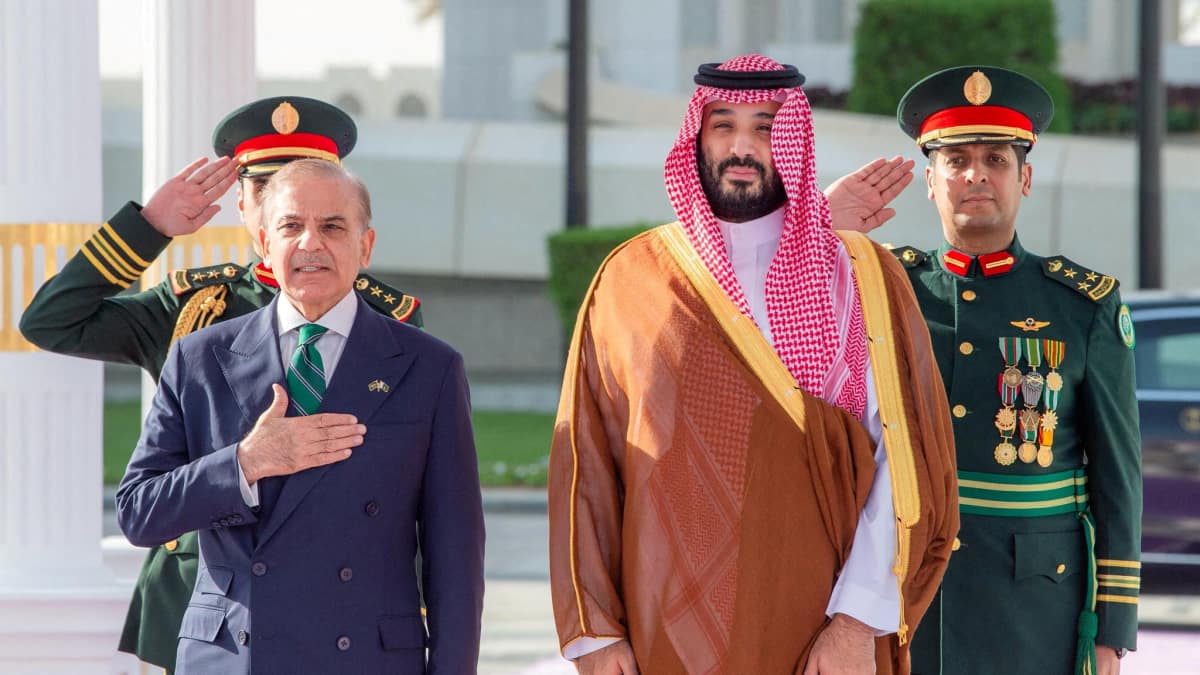
Pakistan, Saudi Arabia, Turkey Sign 'Islamic Nato' Defence Pact
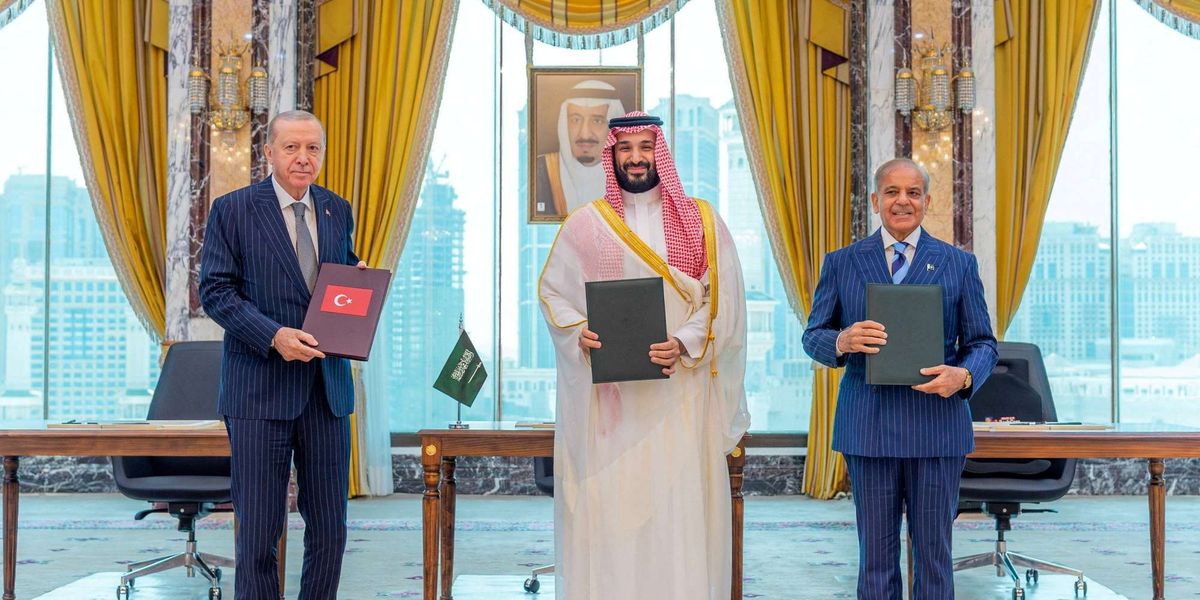
Saudi Arabia, Turkey and Pakistan sign Mecca Joint Defence Agreement
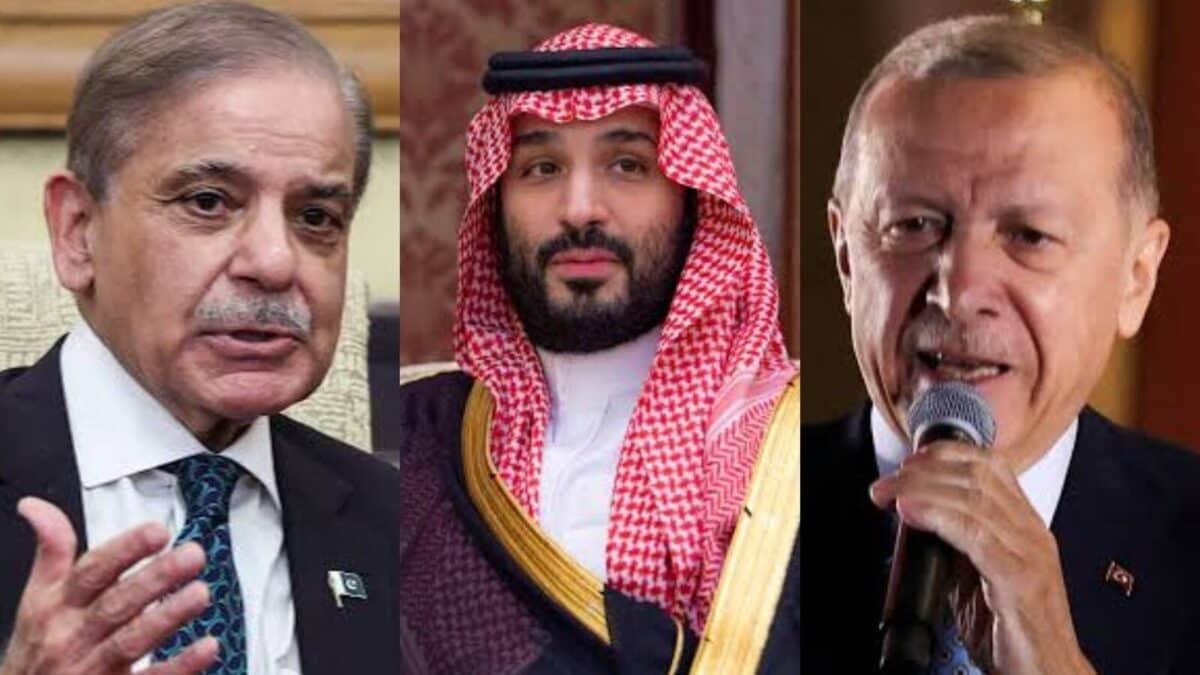
Saudi Arabia, Turkey, Pakistan 'Islamic NATO' Pact Raises India Concern
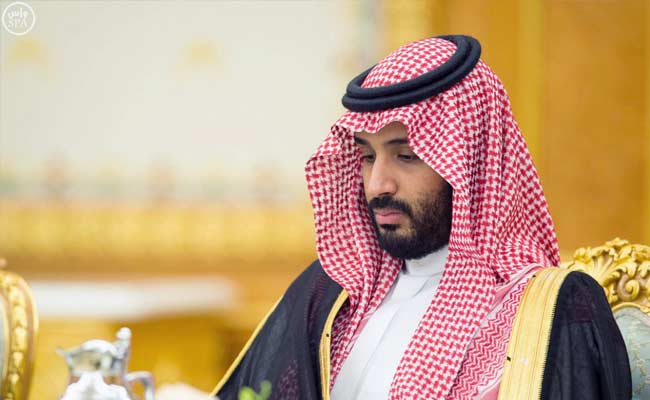
Saudi Arabia, Turkey, Pakistan Sign Joint Defence Pact in Mecca
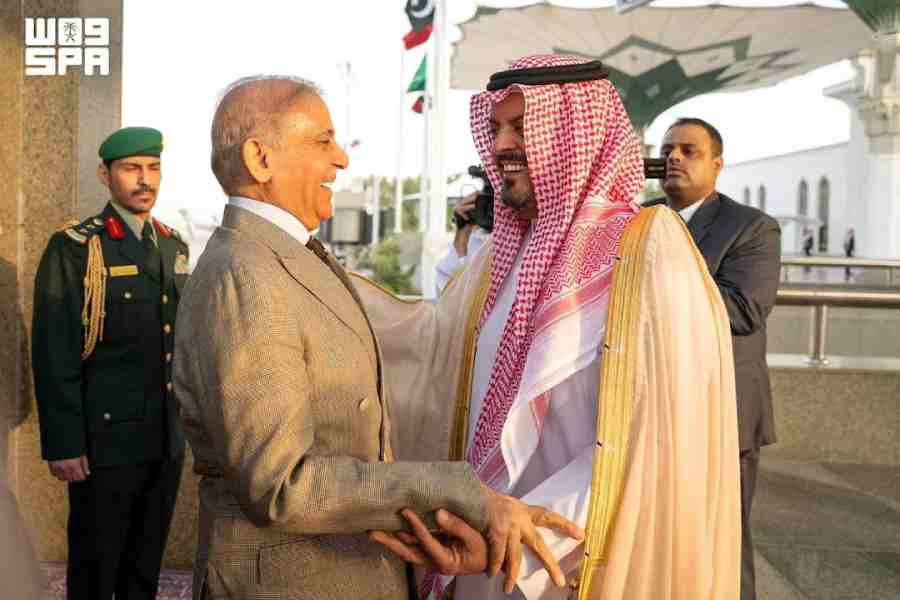
Pakistan, Saudi Arabia and Turkey Sign Mutual Defence Pact
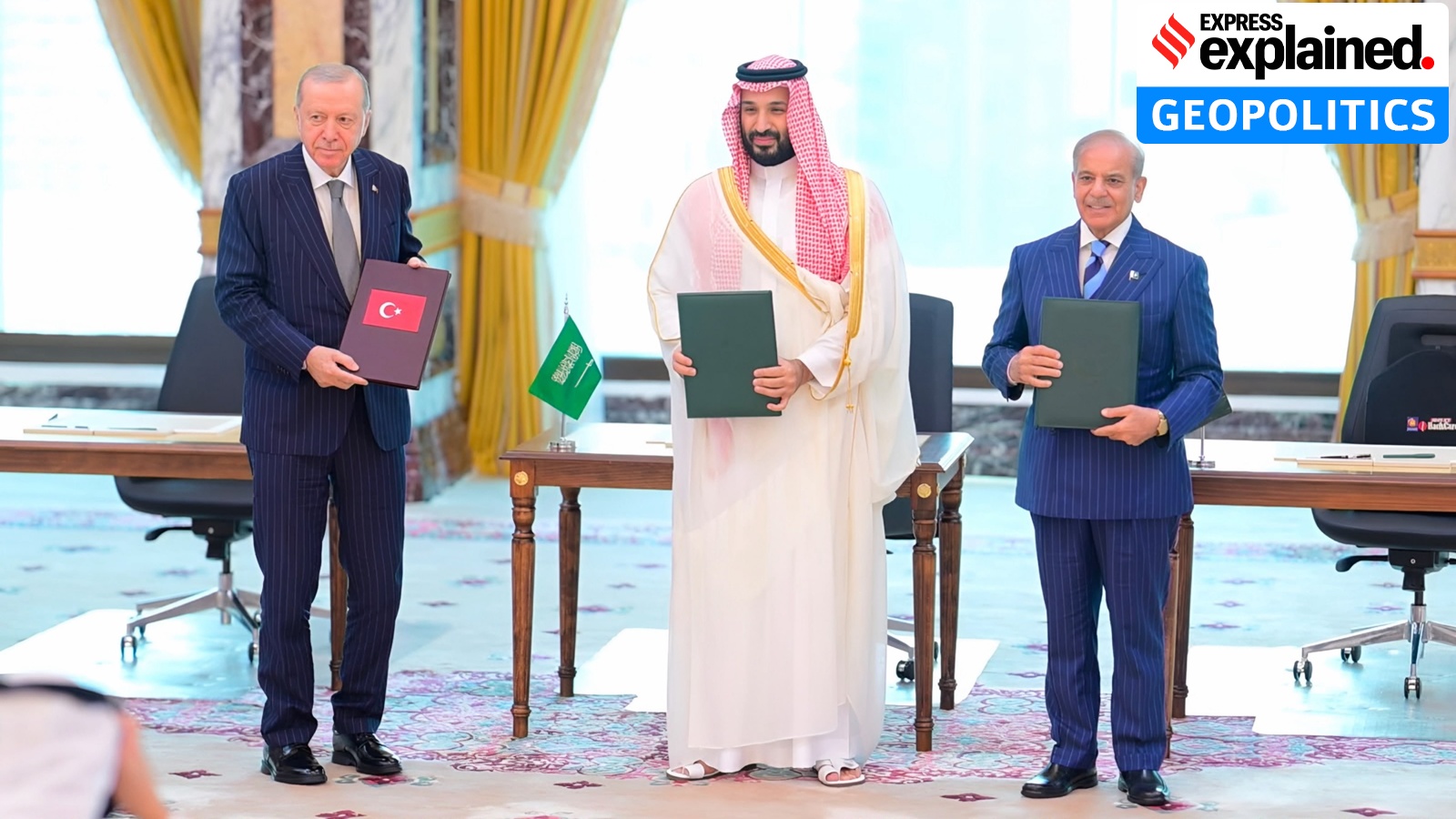
Saudi Arabia, Turkey, Pakistan Sign Mecca Joint Defence Agreement

Turkish Drones Demonstrate Autonomous Formation Flying

Turkey's Kizilelma UCAV makes history with aerial target strike