2 weeks ago
Japan Protests Putin's First Visit to Disputed Islands
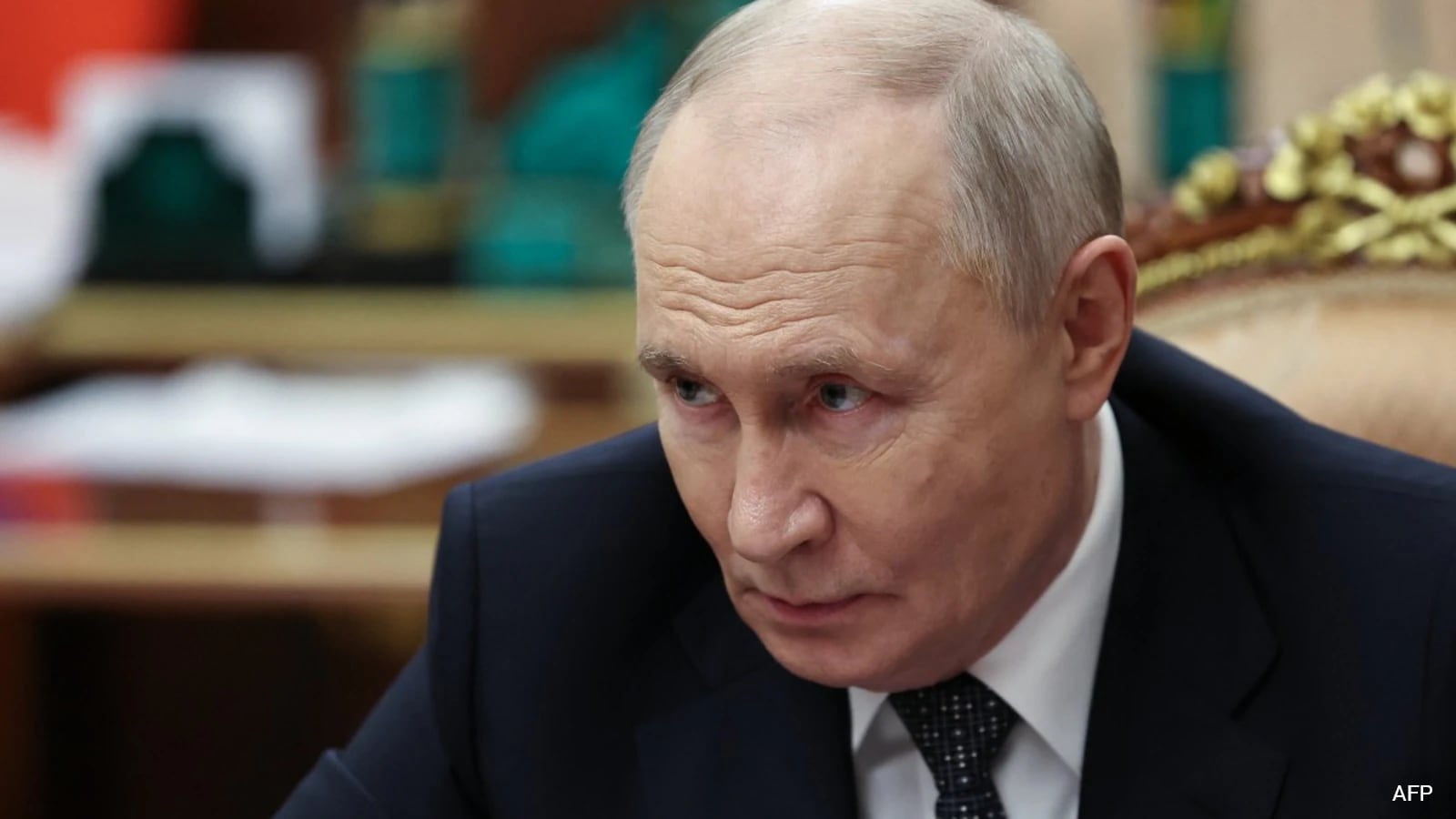
A big leader from Russia, President Vladimir Putin, took a trip to some islands that sit between Russia and Japan.
Both countries say the islands belong to them, and they have argued about this for a very long time.
Japan says the islands are called the Northern Territories and have always been part of Japan.
Russia captured the islands during a big world war long ago, in 1945.
This was the first time a Russian president visited the islands since 2010.
The leader of Japan, Prime Minister Sanae Takaichi, said the trip was very rude and not acceptable.
She said it makes it harder for the two countries to be friends again.
Japan's foreign minister also complained to Russia's ambassador about the visit.
Russia said the islands are definitely part of Russia and that other countries should not discuss it.
The two countries are not getting along well because Japan gave support to Ukraine in its war with Russia.

Russian President Vladimir Putin visited the Kuril islands for the first time on Thursday, drawing protests from Japan which also claims the territory.
Japanese Prime Minister Sanae Takaichi called the visit 'absolutely unacceptable' and said it offends the sentiments of the Japanese people.
Japan's Foreign Minister Toshimitsu Motegi summoned Russian ambassador Nikolai Nozdrev to lodge a 'strong protest' over the visit.
Russia's embassy maintained the islands are 'an integral part of the Russian Federation' and that their status is not subject to doubt.
Relations have worsened since 2022 as Japan joined other G7 countries in sanctioning Russia over its offensive in Ukraine.
- Who
- Russian President Vladimir Putin, Japanese Prime Minister Sanae Takaichi, Japanese Foreign Minister Toshimitsu Motegi, and Russian ambassador to Japan Nikolai Nozdrev.
- What
- Putin made his first visit to the disputed Kuril islands, prompting strong protests from Japan.
- Where
- The Kuril islands (known in Japan as the Northern Territories), Russia's far east.
- When
- Thursday, following a visit to Sakhalin on Wednesday.
- Why
- The islands are disputed territory seized by the Soviet Union in 1945; Japan says the visit offends its people and worsens bilateral relations already strained by Russia's war in Ukraine.
Japan's Perspective
Russia's Perspective
Territorial status of the islands
Japan's Perspective
The Northern Territories are an inherent part of Japan's territory, both historically and under international law.
Russia's Perspective
The islands are an integral part of the Russian Federation and their status is not subject to doubt or discussion with foreign states.
Impact of Putin's visit
Japan's Perspective
The visit offends the sentiments of the Japanese people, is absolutely unacceptable, and makes restoring relations more difficult.
Russia's Perspective
Putin's travel to the islands is not a matter for discussion with foreign states; Japan has territorial claims against Russia.
Blame for worsening ties
Japan's Perspective
Relations are hurt by Russia's actions and are already complicated by Moscow's offensive on Ukraine.
Russia's Perspective
Japan's sanctions against Russia are 'unprovoked'; Russia is not threatening Japan.
Key facts
- Event
- First visit by a Russian president to the Kuril islands since Dmitry Medvedev in 2010
- Population of contested isles
- About 20,000 Russian citizens
- Japanese population deported in 1945
- About 17,000 people
- Putin's age
- 73
- Soviet seizure of islands
- Final days of World War II, 1945
- Japan's response
- Summoned Russian ambassador to lodge a 'strong protest'
- Context of tensions
- Japan's G7 sanctions on Russia; rise of Russian-Chinese joint exercises; North Korean support to Russia
Quotes
Japanese Foreign Minister Toshimitsu Motegi
Foreign Minister of Japan
“Japan has identified Russia as a main source of threats. I would like to point out that we are not threatening Japan... On the contrary it has territorial claims against our country.”
 NDTV
NDTV
“The Northern Territories are an inherent part of Japan's territory, both historically and under international law.”
NDTV
Sources
Related news

Putin visits disputed Kuril Islands, samples fish roe, Japan protests

Russia protests to Japan's envoy over Takaichi's anti-Russian remarks
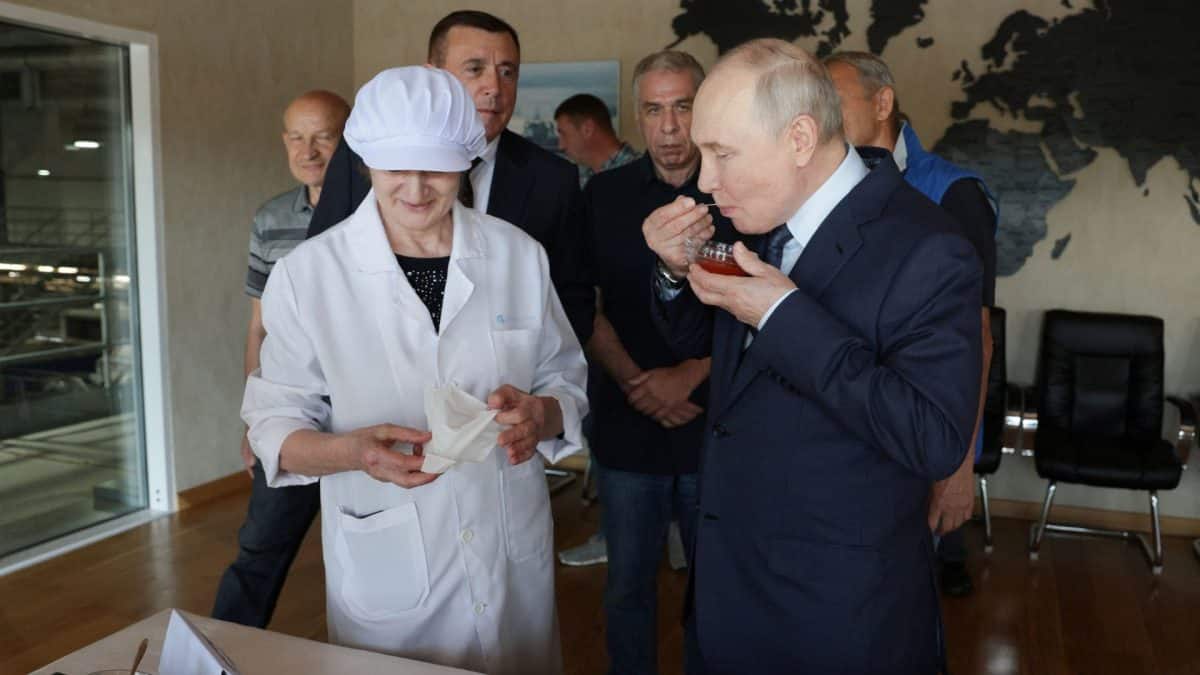
Putin's Kuril Islands Visit Triggers Sharp Japanese Protest
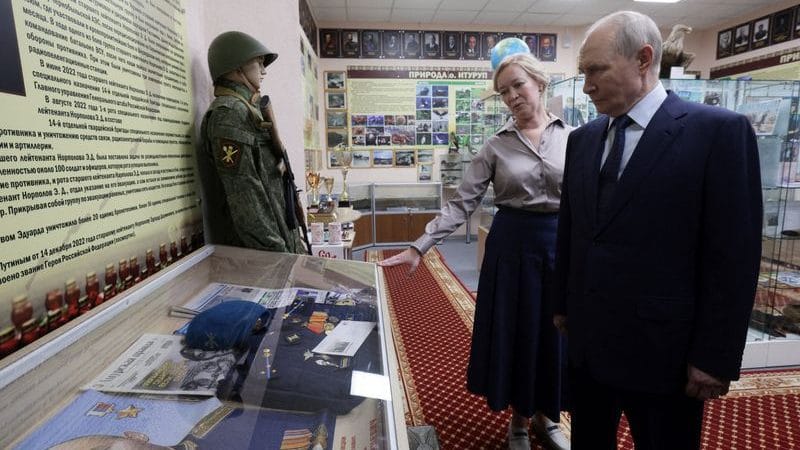
Putin's Kuril visit deepens Russia-Japan rift as India watches

US backs Japan sovereignty as Putin visits disputed Northern Territories
Russia Warns Japan of Countermeasures Over US Typhon Drills

Bangladesh Recall Shanto, Mahmud for Asian Games T20 Squad

Japan Cricket Boss Defends Asian Games Facilities Against Concerns

Mitsubishi Revives Pajero With 201PS Fifth-Generation SUV

Europe's Bond Selloff Deepens as Middle East Tensions Lift Oil

Uday Kotak Warns Global Bond Markets Face Roller-Coaster Volatility