

3 weeks ago
Russia Turns to India for Gasoline as Ukraine Hits Refineries
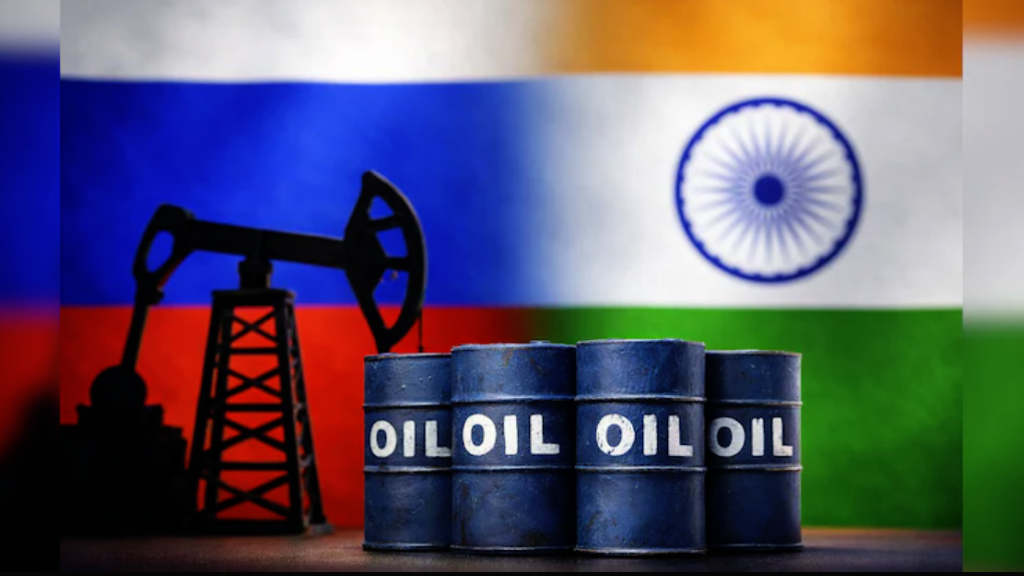
Russia is a big country that makes its own car fuel in giant factories called refineries.
Ukraine and Russia are fighting a war.
Ukraine is using drones, which are like remote-controlled flying machines, to hit Russian refineries.
Because the refineries are damaged, Russia cannot make enough gasoline for its people.
For the very first time, Russia is buying gasoline from a country called India to make up for it.
The fuel travels on big ships, and some of it is moved between ships near Egypt before reaching Russia.
Russia is also buying fuel from Belarus, a country next to it.
This is unusual because Russia usually sells fuel to other countries instead of buying it.
The shortage means Russia must work to fix its refineries and protect them from more attacks.
In the meantime, fuel may stay hard to find.

Russia received its first-ever gasoline shipment from India on August 5, according to Kpler data, as Ukrainian strikes disrupt its refining capacity.
Indian refiner Nayara Energy, backed by Russian oil giant Rosneft, is supplying the fuel via Russian-linked tankers with ship-to-ship transfers off Egypt.
Russian crude-processing rates averaged about 3.6 million barrels per day in July, roughly one-third below the seasonal norm, per EA Analytics.
Ukraine targeted five Russian oil-processing facilities last week and at least two more this week.
Russia has restricted gasoline and diesel exports and increased imports from Belarus and other neighboring markets to cover domestic shortages.
- Who
- Russia, which has begun importing gasoline from India's Nayara Energy, a refiner backed by Rosneft, amid its conflict with Ukraine.
- What
- Russia has imported gasoline from India for the first time after Ukrainian drone strikes sharply cut its refining capacity and deepened domestic fuel shortages.
- Where
- Russia and India, with ship-to-ship transfers off Egypt; Belarus and other neighboring markets are also supplying fuel.
- When
- The first shipment was received on August 5, with continued strikes hitting at least two more refineries this week.
- Why
- Sustained Ukrainian drone strikes on Russian oil-processing facilities have reduced refining output, forcing Moscow to seek foreign gasoline despite traditionally being a major fuel exporter.
Backing Ukraine's refinery campaign
Concerns over energy fallout
Strikes on Russian oil infrastructure
Backing Ukraine's refinery campaign
Repeated strikes are deliberately degrading Russia's refining capacity, limiting its ability to produce fuel and reshaping its traditional role as a fuel exporter.
Concerns over energy fallout
The strikes have deepened domestic fuel shortages in Russia and, alongside the US-Iran confrontation in the Middle East, are tightening global fuel markets and increasing pressure on countries to secure supplies.
Russia's shift to fuel imports
Backing Ukraine's refinery campaign
Moscow's unprecedented need to import gasoline from India shows the campaign is successfully pressuring Russia's energy sector.
Concerns over energy fallout
Russia is compensating through imports from India, Belarus and neighboring markets, indicating it can manage the disruption despite lost refining capacity.
Key facts
- First India-to-Russia gasoline shipment
- August 5, per Kpler data
- Gasoline supplier
- Nayara Energy Ltd., backed by Rosneft PJSC
- July crude-processing rate
- About 3.6 million barrels per day, roughly one-third below the seasonal norm
- Refineries targeted
- Five last week; at least two more this week
- Russia's export measures
- Restrictions on gasoline and diesel exports
- Additional import sources
- Belarus and other neighboring markets
- Fuel route
- Russian-linked tankers with ship-to-ship transfers off Egypt
- Comment requests
- Russia's Energy Ministry, India's Oil Ministry and Nayara Energy did not respond to Bloomberg
Quotes
Sumit Ritolia
Lead analyst at Kpler
“"The emergence of Indian barrels is particularly notable," Sumit Ritolia, lead analyst at Kpler, said. The cargoes, along with continued imports from Belarus and other neighbouring markets, highlight the severity of the current domestic gasoline imbalance and how lower refinery operations are reshaping Russia's traditional fuel trade flows.”
 deccanchronicle.com
Sources
Related news
Russia Imports Indian Petrol After Ukrainian Strikes Hit Refineries
India Supplies Petrol to Russia as Refinery Attacks Disrupt Fuel

Russia Imports Indian Petrol After Ukrainian Drone Strikes
Indian Refiners Cut Russian Oil Purchases, Seek Supplies Elsewhere
India Replaces Gulf Suppliers as Kenya’s Fuel Source Amid Disruptions

India's Russian crude imports hit record for second straight month

Putin's Kuril visit deepens Russia-Japan rift as India watches

US Treasury removes 84 from sanctions list
Dream Vision Exhibition in Mumbai Attracts 100,000 Visitors
