2 days ago
Rupee Opens Lower as Fed, Oil Risks Weigh

The Indian rupee became slightly weaker against the US dollar.
This happened partly because investors think US interest rates may rise soon.
Higher US rates can make the dollar more attractive.
Oil prices also rose after tensions involving the United States and Iran.
Expensive oil can put pressure on India because India imports oil.
A special Indian deposit program that brought in more than $65 billion is ending.
This means the rupee may lose one temporary source of support.
India has record foreign exchange reserves that can help the central bank manage sharp movements.
Experts expect the rupee to remain volatile and trade roughly between 95.20 and 95.80 in the near term.

The rupee opened 11 paise lower at 95.49 against the US dollar on Monday, 31 August.
Markets raised the probability of a Federal Reserve rate hike at its 15–16 September meeting to nearly 60%.
Brent crude rose toward $90 a barrel after reported US-Iran tensions near the Strait of Hormuz, though experts later cited prices around $88–$89.
The RBI’s special FCNR deposit scheme closes on 31 August after attracting more than $65 billion in dollar inflows.
Analysts see 95.10–95.30 as support and 95.80 as resistance, with a possible move toward 96.20–96.50 if negative news intensifies.
- Who
- The Indian rupee, the US Federal Reserve, the Reserve Bank of India, investors and currency-market analysts.
- What
- The rupee opened at 95.49 per US dollar, while markets increased expectations of a US rate hike and assessed oil-market risks.
- Where
- India’s currency market, with effects linked to the United States, the Strait of Hormuz and Venezuela.
- When
- Monday, 31 August; the Federal Reserve meeting referenced is scheduled for 15–16 September.
- Why
- Hawkish comments from Kevin Warsh, higher or uncertain crude prices, geopolitical tensions and the closing of the FCNR deposit scheme weighed on the rupee.
Downward Pressures
Potential Support
US interest rates and the dollar
Downward Pressures
A more hawkish Federal Reserve could strengthen the US dollar and encourage capital outflows from emerging markets, putting pressure on the rupee.
Potential Support
The article does not identify a direct offset from US monetary policy, although regional Asian-currency movements were described as relatively muted.
Crude oil outlook
Downward Pressures
Higher crude prices, following tensions near the Strait of Hormuz, could increase India’s import costs and weaken the rupee.
Potential Support
Greater future oil production from Venezuela and increased Gulf supply could add crude to the market and eventually lower prices, offering some relief to India’s import bill.
FCNR scheme and reserves
Downward Pressures
The closure of the FCNR deposit window removes a temporary source of dollar liquidity and support for the rupee.
Potential Support
India’s record $729.33 billion in foreign-exchange reserves gives the Reserve Bank of India greater capacity to intervene against sharp depreciation.
Key facts
- Opening exchange rate
- 95.49 rupees per US dollar
- Daily move
- 11 paise lower
- September rate-hike probability
- Nearly 60%, up from about 35% before Kevin Warsh’s speech
- Crude price reference
- Brent crude climbed toward $90 a barrel, while experts cited a range of about $88–$89
- FCNR inflows
- More than $65 billion in fresh dollar inflows
- India’s foreign-exchange reserves
- A record $729.33 billion
- Analyst trading range
- Expected consolidation between 95.20 and 95.80; 95.80 is key resistance
Quotes
Market experts
Experts commenting on Venezuela’s potential effect on global oil supply
“The FCNR inflows have been an important source of dollar liquidity and have helped strengthen the RBI’s reserve position. With the scheme closing, the key question is whether other sources of dollar inflows can compensate for the loss of this temporary support.”
 livemint.com
“While increased US involvement in Venezuela could eventually translate into more oil supply, the immediate impact is likely to remain limited as the market assesses the political and operational implications.”
livemint.com
Sources
Related news

Rupee opens 4 paise higher at 95.40 against US dollar
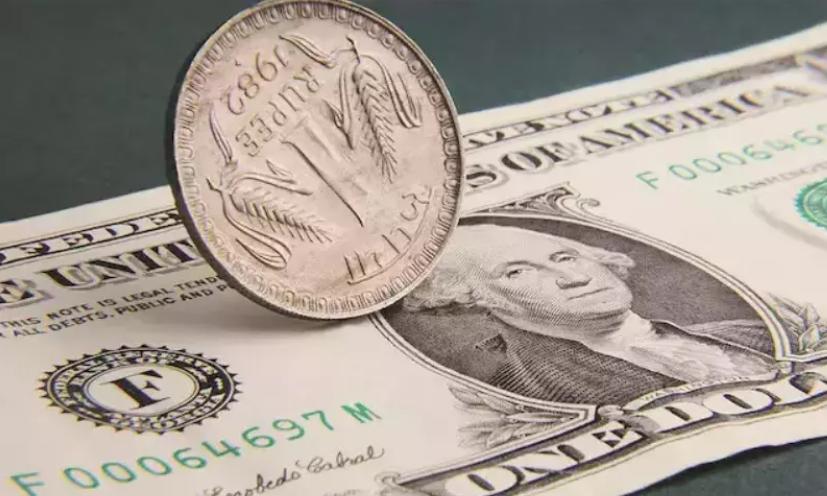
Rupee Recovers as Easing Brent Prices Offset Dollar Pressure

Rupee opens 4 paise higher at 95.17 against US dollar
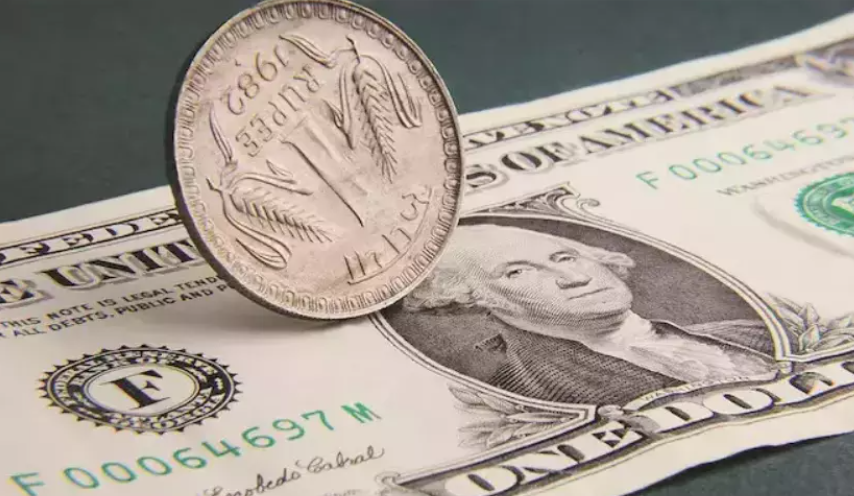
Rupee Gains as Softer Dollar Counters Oil and Geopolitical Risks
Rupee Holds Near 95.64 Amid Iran Sanctions, Oil Risks

Rupee Settles Higher at 95.33 as Brent Nears USD 90

Chevron Plans $7 Billion Venezuela Expansion Amid U.S. Oil Push
Saudi Arabia Says Iranian Tanker Attack Killed Two Sailors
U.S.-Iran Exchange Escalates Across Middle East, Markets Slide
Trump Aides Seek Quiet Iran War Before Midterm Elections
US Warns Middle East Travelers Amid Escalating Iran-Linked Tensions