5 days ago
Nepal Orders Evacuations as New Flood Threat Disrupts Rescue
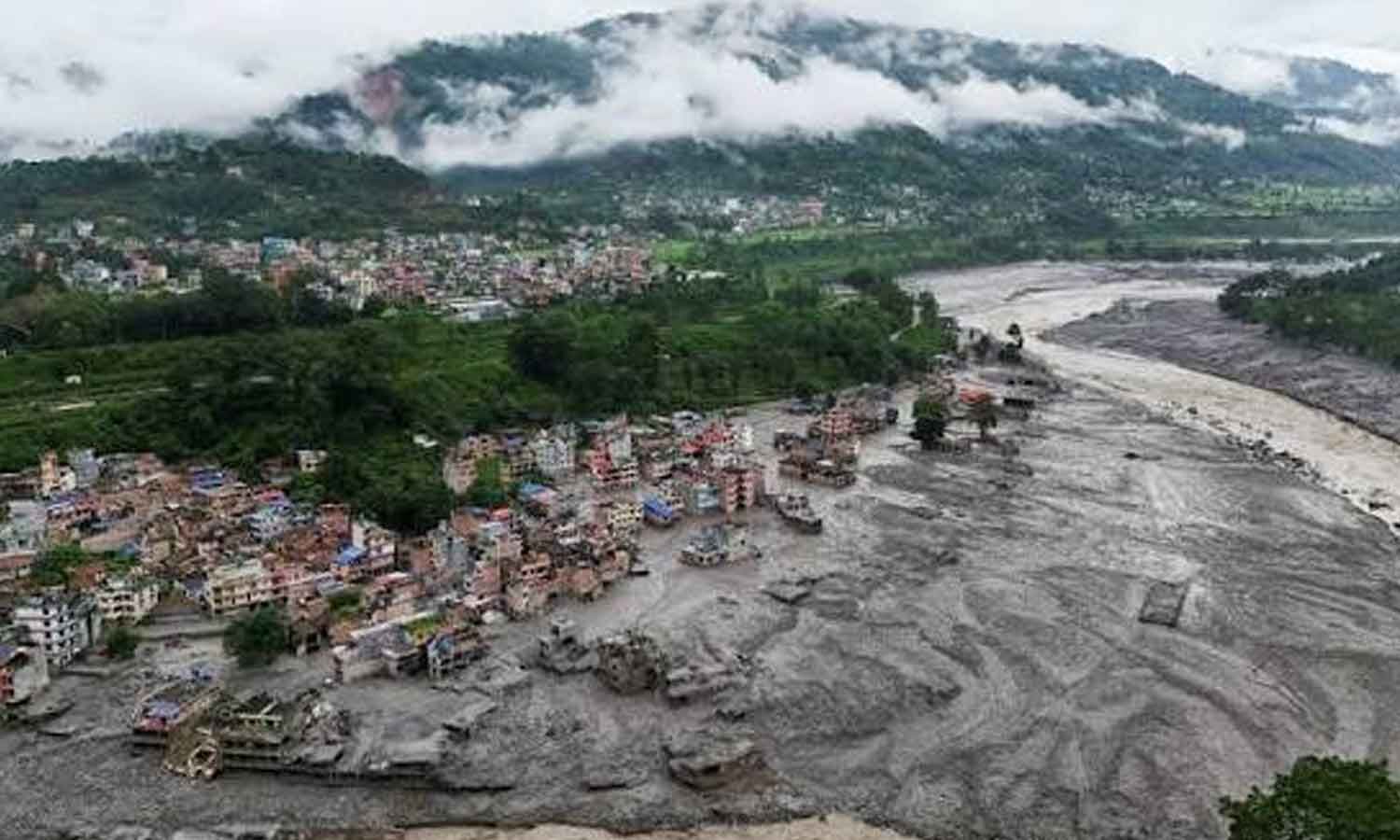
A huge flood hit Nepal on Wednesday and killed at least 547 people.
Two days later, officials warned that another dangerous wave of water might arrive.
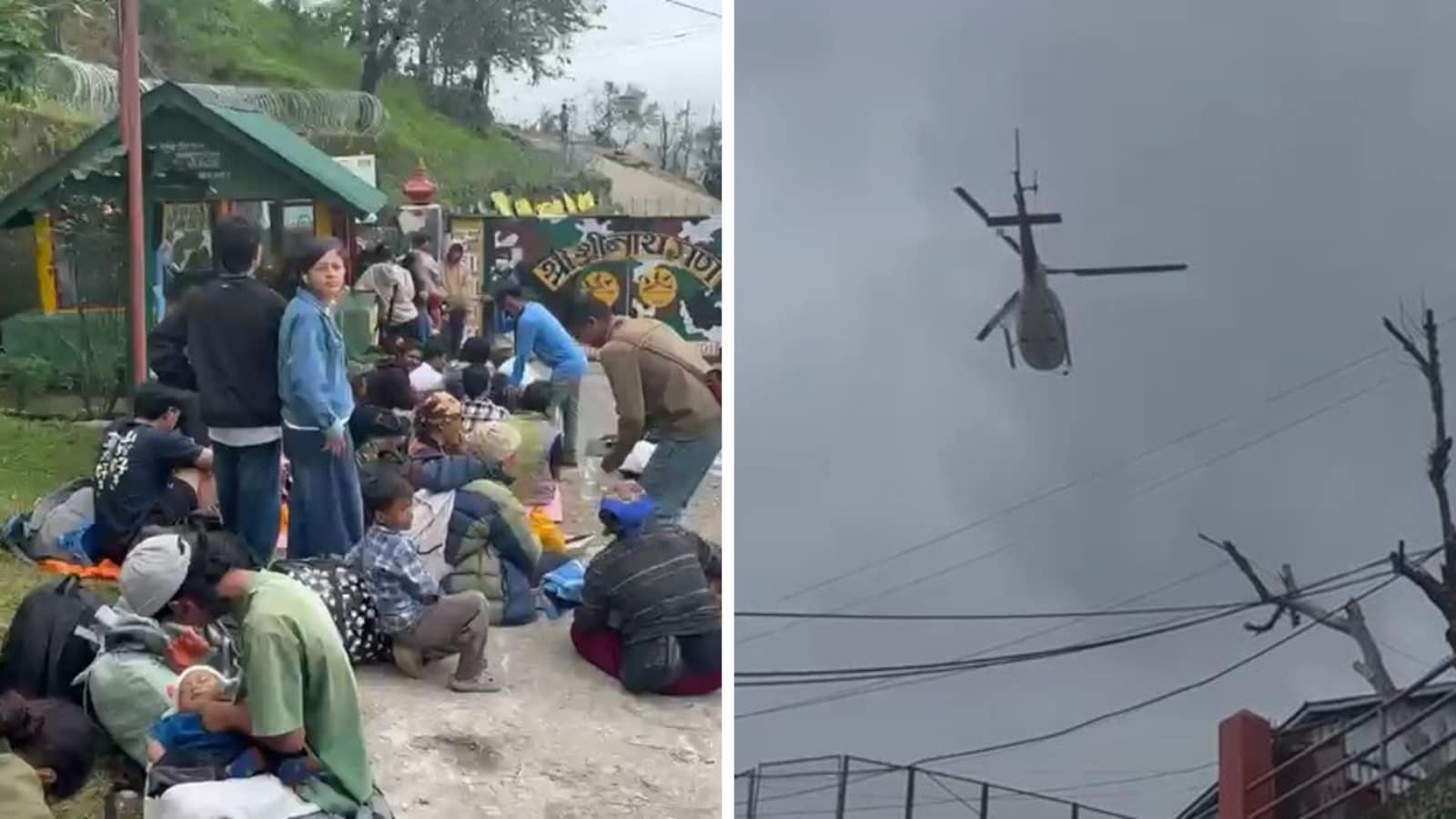
People and rescue workers in risky areas were told to move to safer places.
Some roads and rescue activities had to stop because the land and weather were unsafe.
Soldiers rescued two workers from a flooded tunnel at a hydropower project.
Many people, including tourists and foreign workers, were still missing or difficult to contact.
Officials believe a collapsing glacier may have helped start the flood, but investigations are still preliminary.
China evacuated more than 1,000 people from a nearby area in Tibet.
Nepal received promises of help from India, the United States, the United Nations and the World Health Organization.

Nepal’s death toll from Wednesday’s flash floods rose to 547, with bodies recovered across eight districts.
Authorities evacuated vulnerable areas and halted rescue, road construction and restoration work after detecting rising upstream water levels.
About 7,451 security personnel, including 2,391 Army personnel, were deployed in search and rescue operations.
The Nepali Army rescued two workers from a flooded hydropower tunnel, while teams searched for others trapped or missing.
Reports differed on missing Indians: one cited 320 nationals plus about 100 people of Indian origin, while another cited 288 Indian nationals as uncontactable.
- Who
- Nepalese authorities, police, the Nepali Army, rescue teams, residents, tourists and foreign nationals were involved or affected.
- What
- A deadly flash flood was followed by a renewed flood warning, fresh evacuations and a pause in some rescue and road operations.
- Where
- The main impact was in Nepal, especially the Trishuli and Rasuwa areas; related evacuations occurred in Tibet and bodies were found in India’s Uttar Pradesh.
- When
- The disaster occurred on Wednesday; the renewed warning and evacuations began on Friday, two days later.
- Why
- Authorities detected rising upstream water levels and feared another destructive surge, while damaged roads, steep terrain and hazardous weather hindered operations.
Key facts
- Reported death toll
- The death toll reached 547, with bodies recovered from eight districts.
- Rescue deployment
- About 7,451 security personnel, including 2,391 Nepal Army personnel, were deployed.
- Missing travellers
- The Nepal Tourism Board reported 667 tourists and travellers missing in affected areas.
- Indian nationals
- Reports cited different figures: 320 Indian nationals plus about 100 people of Indian origin remained uncontactable in one account, while another cited 288 Indian nationals.
- Hydropower rescue
- Two workers were rescued from a flooded hydropower-project tunnel in Rasuwa.
- Nepal relief funding
- Nepal allocated NPR 25 million: NPR 10 million each for Rasuwa and Nuwakot, and NPR 5 million for Dhading.
- International assistance
- The United States announced USD 500,000, while the United Nations supported the government response and the World Health Organization sent emergency medical supplies.
Quotes
Bhishma Raj Angdembe
Leader of Opposition in Nepal’s House of Representatives
“The water level is about to rise, so everyone is being stopped. The vehicles that were engaged in the operation are all returning. They are all coming back. Everyone is being evacuated from there and is being taken to a safe location.”
 thestatesman.com
“The geographical terrain here makes the weather conditions unfavourable for operations, yet our army and all our helicopter teams are fully engaged in the effort.”
thestatesman.com
Sources

Related news
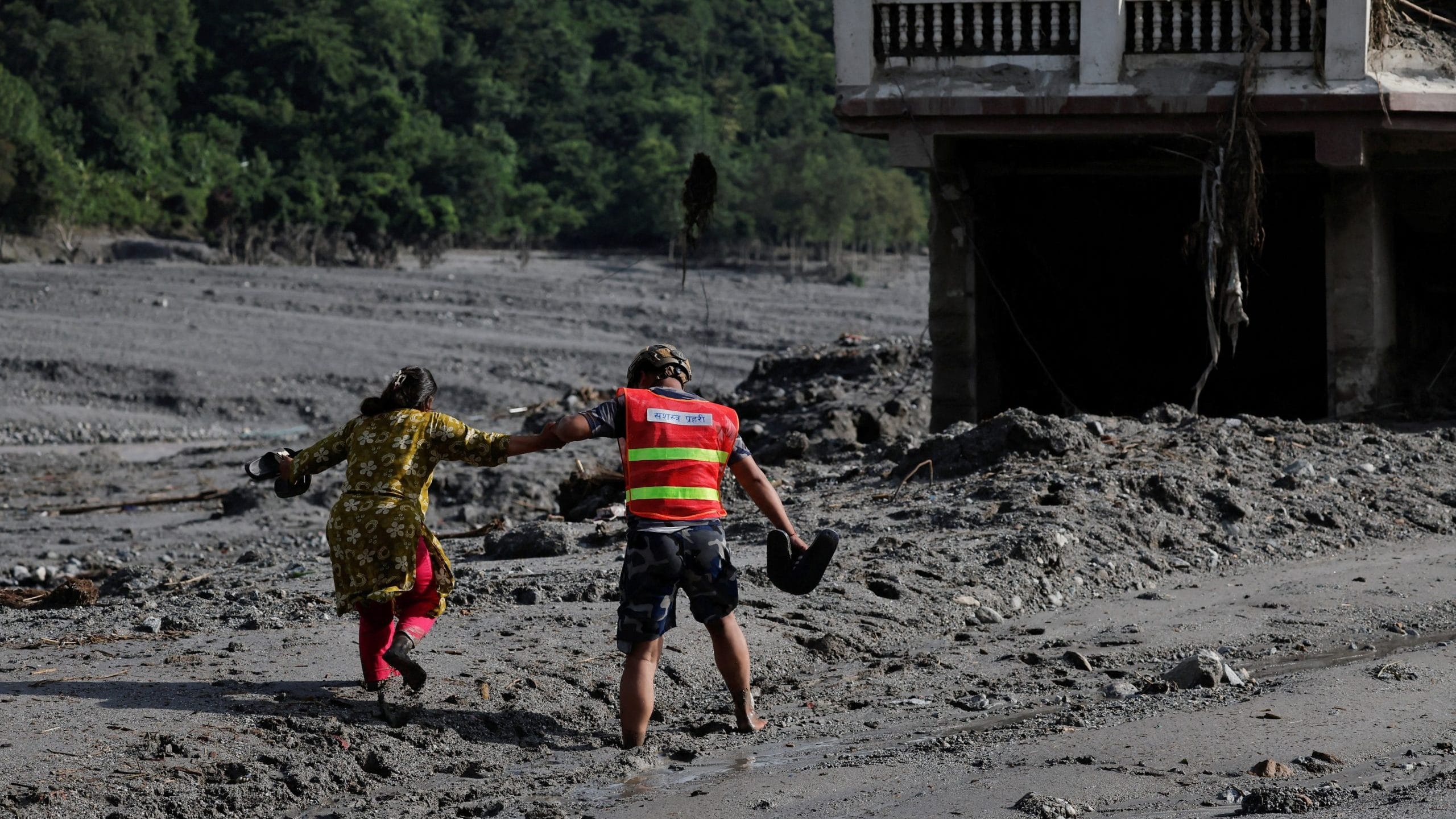
Nepal Flood Toll Rises as Rescue Teams Face More Flooding

Nepal Flood Death Toll Reaches 579 as Fresh Threat Looms

Nepal Flood Death Toll Rises Amid Fresh Lake Outburst Warning
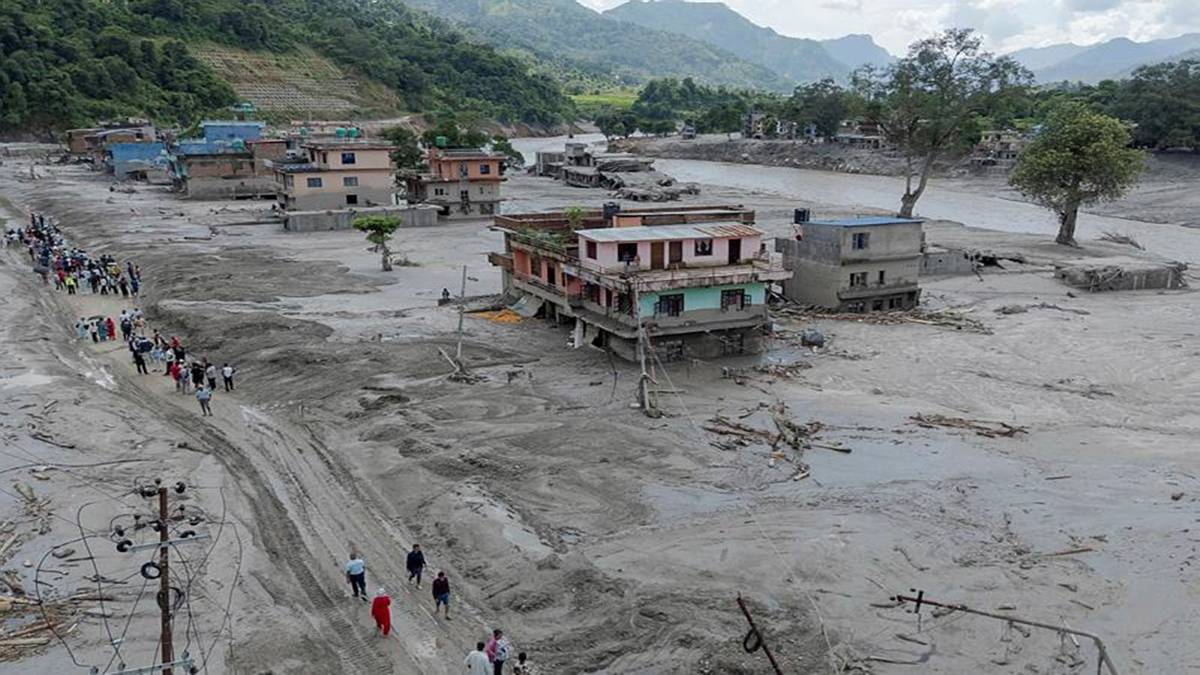
Nepal Floods Kill 469 as Barrier Lakes Threaten New Deluge
Nepal-Tibet Flood Death Toll Reaches 691
Nepal Flood Death Toll Rises as Rescue Efforts Continue

Nepal Thanks India as Glacial Disaster Rescue Efforts Continue
Nepal Warns of Heavy Rain After Deadly Floods
Nepal Flood Exposes Delayed Alerts and Cross-Border Warning Gaps

Bhotekoshi Flood Crisis: Nepal PM Shah Calls for Courage

Nepal PM Thanks India, China Amid Climate Compensation Demand