2 weeks ago
Historian Sumit Sarkar, three-decade Delhi University teacher, dies at 87

Sumit Sarkar was a famous history teacher in India, and he has passed away at the age of 87.
He taught at Delhi University for 30 years, one of the biggest universities in the country.
He came from a family of historians — his father and his wife were also respected history scholars.
He studied at Presidency College in Calcutta and earned his PhD from the University of Calcutta.
He helped start the Subaltern Studies Collective, a group that wrote history from the point of view of ordinary people instead of just kings and leaders.
He wrote important books about India, including 'Modern India' and a famous study of Bengal's Swadeshi Movement.
One time, he returned a big award to protest how farmers were being treated in the state of West Bengal.
Many teachers, politicians and writers are sad that he is gone, and they remember him for making history about people's struggles.

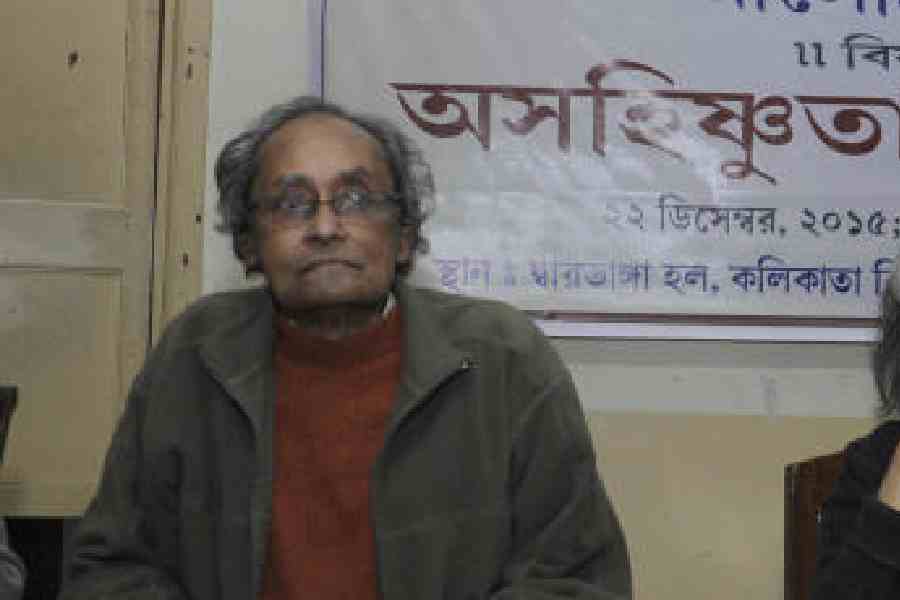
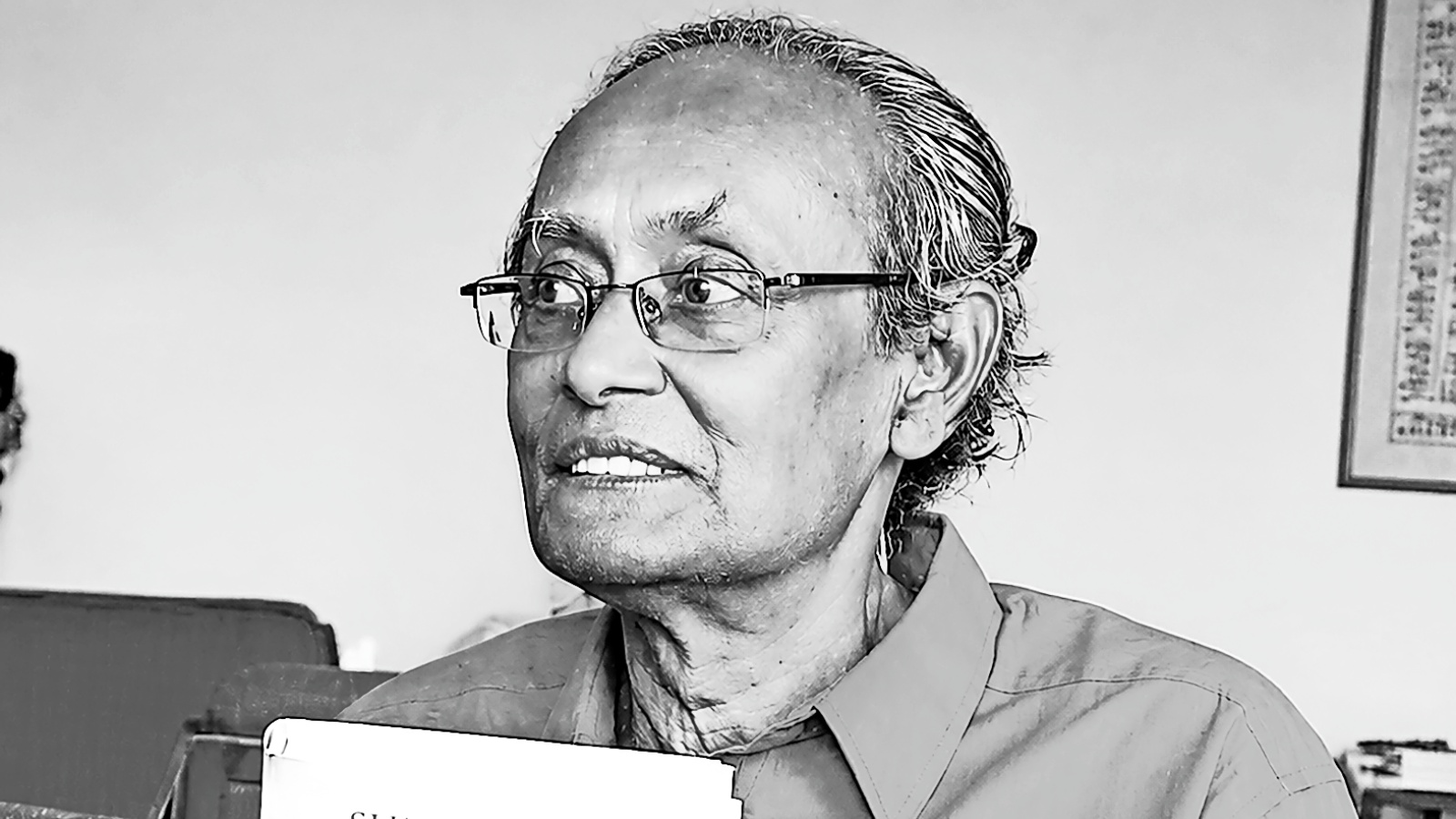
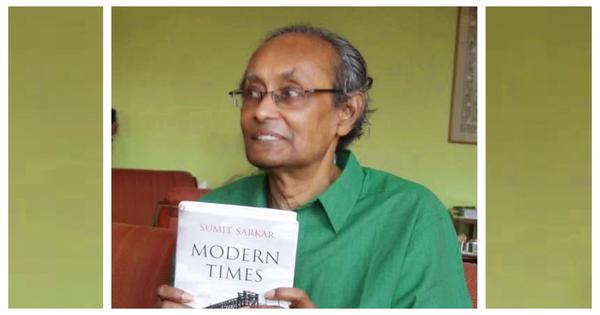
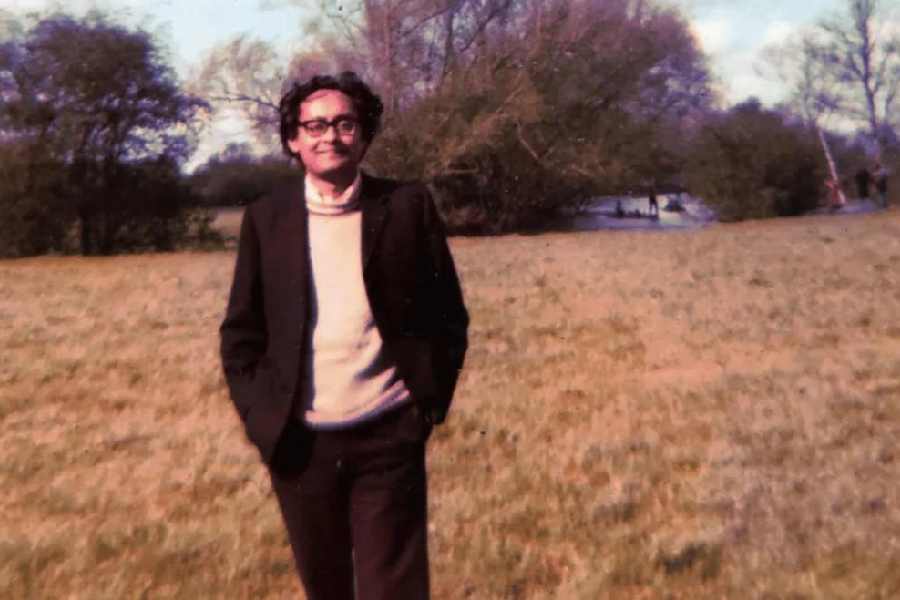
Historian Sumit Sarkar, who taught at Delhi University's history department for three decades, died on Thursday at his Delhi residence; he was 87.
Born in 1939 to historian Susobhan Sarkar and married to historian Tanika Sarkar, he was regarded as one of India's leading historians.
A founding member of the Subaltern Studies Collective, the Marxist historian later began to critique it and challenged leader-centred accounts of Indian nationalism.
His major works include Modern India 1885-1947, Swadeshi Movement in Bengal 1903-08, Popular Movements & Middle Class Leadership in Late Colonial India, and Writing Social History.
He returned the Rabindra Puraskar in 2007 in protest over the treatment of farmers by the CPI(M)-led Left Front government in West Bengal; tributes came from the Democratic Teachers' Front, Manoj Jha and Nilanjana Roy.
- Who
- Sumit Sarkar, a leading Indian historian, Marxist scholar and longtime professor in Delhi University's history department.
- What
- He died from age-related ailments after a prolonged illness, prompting tributes from academics, politicians and writers.
- Where
- At his residence in New Delhi (he taught at Delhi University).
- When
- On Thursday; he was born in 1939 and was 87 at the time of death.
- Why
- He had been ailing for a long time and was suffering age-related issues, having been inactive publicly since a fall some years ago.
Key facts
- Name
- Sumit Sarkar
- Born
- 1939
- Died
- Thursday, at age 87, at his Delhi residence
- Career
- Delhi University history professor for three decades (from 1974); earlier lecturer at University of Calcutta and reader at University of Burdwan
- Family
- Son of historian Susobhan Sarkar; married to historian Tanika Sarkar; survived by son Aditya Sarkar, associate professor at University of Warwick
- Notable role
- Founding member of the Subaltern Studies Collective; later critiqued it
- Awards
- Sarit Chatterjee Memorial Award (2003); Rabindra Puraskar (2004), returned in 2007
- Major works
- Modern India 1885-1947; Swadeshi Movement in Bengal 1903-08; Popular Movements & Middle Class Leadership in Late Colonial India; Writing Social History
Quotes
Member of Democratic Teachers’ Front
Representative of a teachers’ advocacy group
“"And how can one forget your understanding of Gandhi as someone who did not seek to make everyone think alike, but created an 'umbrella' under which people who did not think alike could struggle together. That idea, like so much of your work, continues to speak to our present."”
 freepressjournal.in
 telegraphindia.com
“Through ground‑breaking works such as Modern India and his seminal study of Bengal’s Swadeshi Movement, he worked to reorient the discipline’s focus away from imperialist narratives towards socio‑economic processes, popular struggles and the agency of the working people.”
telegraphindia.com
Sources
Related news
Historian Sumit Sarkar Dies After Reshaping Modern Indian History
Sumit Sarkar’s History Challenged Dogma and Defended Pluralism

Sumit Sarkar: Historian Who Rewrote India's Freedom Struggle Memory
Sumit Sarkar: A Historian Who Questioned History Through Humanity
Eight New Books Revisit India's Past for Independence Day
Netaji's grand-nephews recall Bengal's role in Quit India Movement

CPI(M) Alleges Bishop, Wife Assaulted Over Conversion Charges

Calcutta High Court Grants Interim Bail to CPM Leader

SFI Secretariat March Turns Tense Over University Police Action
Congress Backs Rahul Gandhi Over Vijay for 2029 PM
Satheesan Targets CPI(M) Amid Kerala Election Defeat Fallout