1 week ago
Sumit Sarkar’s History Challenged Dogma and Defended Pluralism
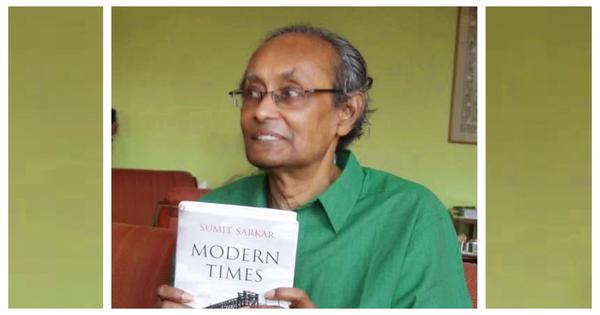
Sumit Sarkar was a historian who studied India’s past.
He tried to understand history by looking at ordinary people as well as famous leaders.
He did not believe that one idea, such as class or religion, could explain everything.
He criticized Hindu majoritarian versions of history because he believed they harmed democracy and religious diversity.
He also questioned approaches that focused mostly on texts and ignored people’s lived experiences.
His most famous book explained India’s struggle against colonial rule from 1885 to 1947.
The book discussed nationalists, peasants, tribal communities, caste, and Hindu-Muslim relations.
Sarkar admired Gandhi’s commitment to truth, non-violence, and communal peace.
He was also remembered as an inspiring teacher at Delhi University.

Historian Sumit Sarkar, born in Calcutta in 1939, died in Delhi earlier this month.
His scholarship challenged dogmatic Marxism, postmodern and postcolonial approaches, and Hindu majoritarian history.
His major works included The Swadeshi Movement in Bengal, Writing Social History, and Modern India: 1885-1947.
Modern India combined national political history with accounts of tribal, peasant, caste, and communal developments.
Sarkar was also remembered as an influential, democratic teacher who enriched Delhi University’s academic tradition.
- Who
- Sumit Sarkar, an Indian historian and teacher, is the central figure; the tribute was written by Ramachandra Guha.
- What
- The articles commemorate Sarkar’s life, scholarship, teaching, and influence on Indian historical writing.
- Where
- Sarkar was born in Calcutta, died in Delhi, and spent much of his academic career at Delhi University.
- When
- Sarkar died earlier this month; he was born in 1939, and Modern India: 1885-1947 was published 43 years before the article’s stated reference point.
- Why
- The tribute argues that Sarkar’s comparative, evidence-based, socially inclusive history made him an enduringly influential historian.
Sarkar’s Historical Approach
Approaches He Critiqued
Explaining inequality
Sarkar’s Historical Approach
Sarkar moved beyond economic determinism, treating caste and gender as important alongside class while retaining Marxism’s broad commitment to equality and justice.
Approaches He Critiqued
Dogmatic Marxism viewed the past through a narrow economic lens and gave insufficient attention to other forms of inequality.
Whose history matters
Sarkar’s Historical Approach
Sarkar combined national political history with the experiences of tribal communities, peasants, lower castes, and other people outside elite leadership.
Approaches He Critiqued
Nationalist historiography often concentrated on leaders, their ideals, political activities, and factional manoeuvres.
Interpreting religion and politics
Sarkar’s Historical Approach
Sarkar rejected Hindutva, supported pluralism, and recognized the ethical and political significance of Gandhi’s non-violence and efforts at Hindu-Muslim peace.
Approaches He Critiqued
The articles say religious majoritarianism glorified Hindus, demonised Muslims, and offered a Manichaean interpretation of the past.
Key facts
- Born
- Calcutta, 1939
- Died
- Delhi, earlier this month
- First book
- The Swadeshi Movement in Bengal, published in 1973
- Essay collection
- Writing Social History, published in 1997
- Major work
- Modern India: 1885-1947
- Historical approach
- Combined political, social, and economic history with a focus on history from below
- Academic institution
- Delhi University
- Life companion
- Tanika Sarkar, a distinguished feminist historian
Quotes
Sumit Sarkar
Indian historian reflecting on the autonomy and changing pressures faced by historians.
“the search for truth was the goal of human life, and as no one could ever be sure of having attained the ultimate truth, use of violence to enforce one’s own necessarily partial understanding of it was sinful.”
 telegraphindia.com
 scroll.in
“So far, we Indian historians have written the histories that we wanted to write, following no agenda but our own. That seems to be a fast-vanishing luxury.”
telegraphindia.com
scroll.in
Sources
Related news

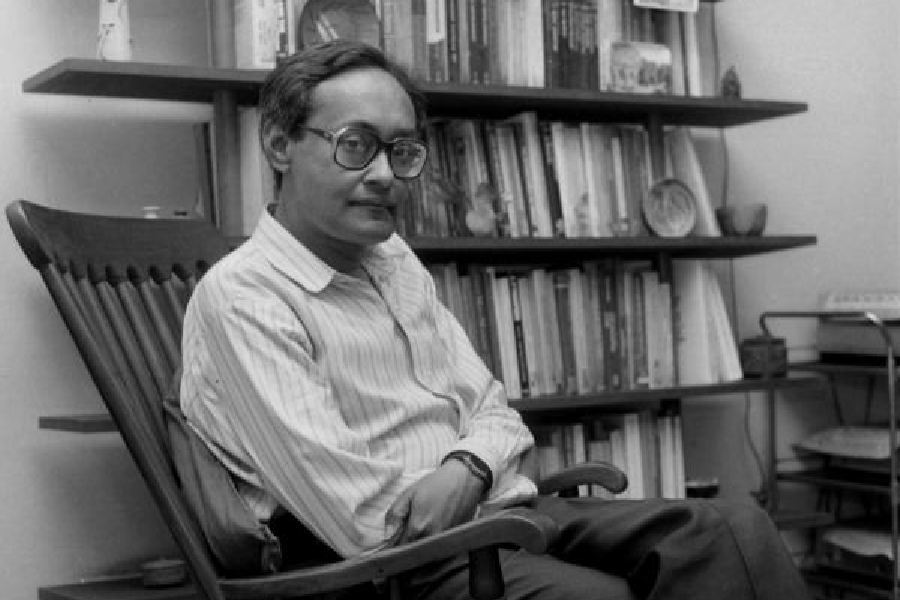
Historian Sumit Sarkar, three-decade Delhi University teacher, dies at 87
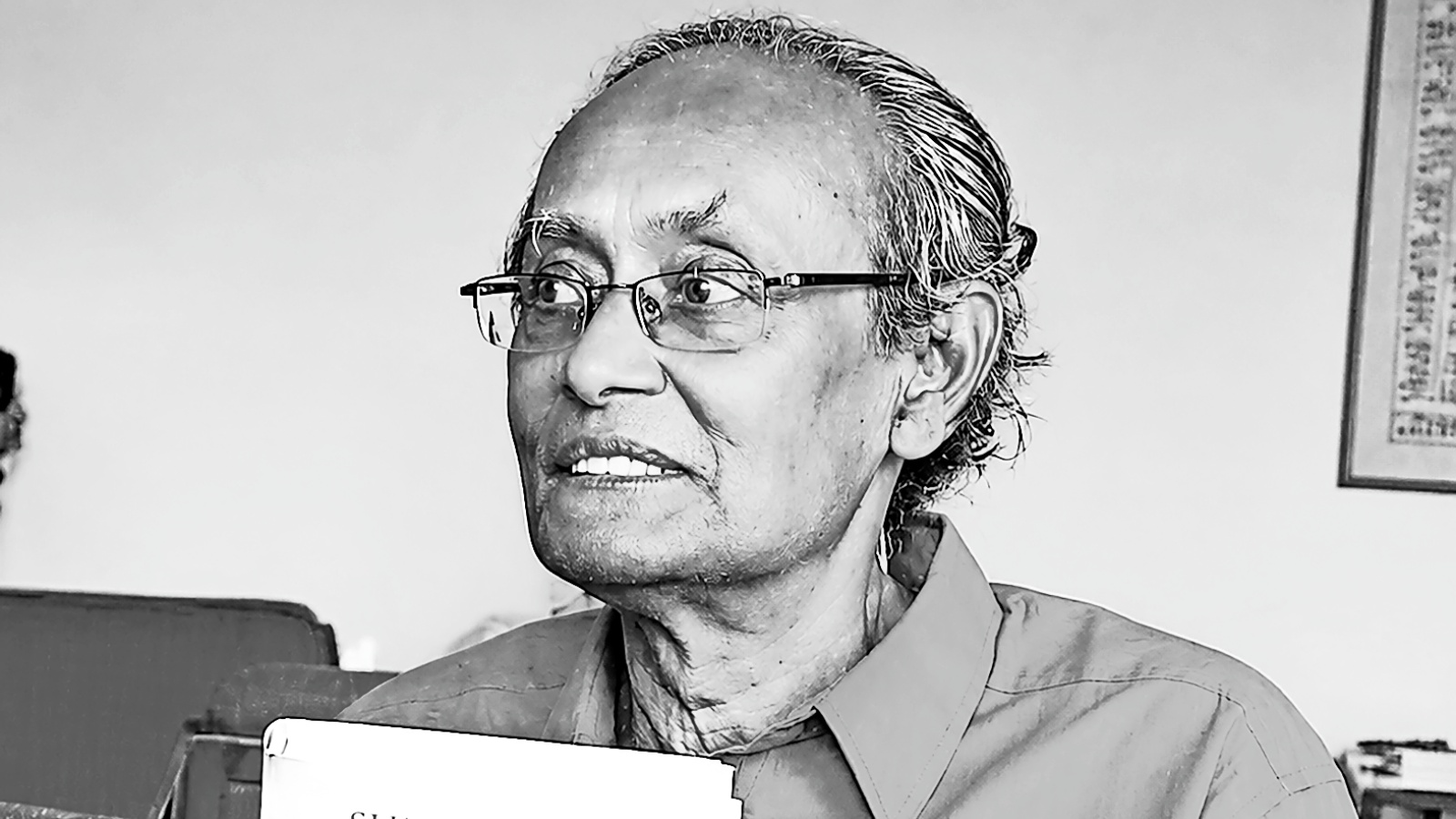
Historian Sumit Sarkar Dies After Reshaping Modern Indian History
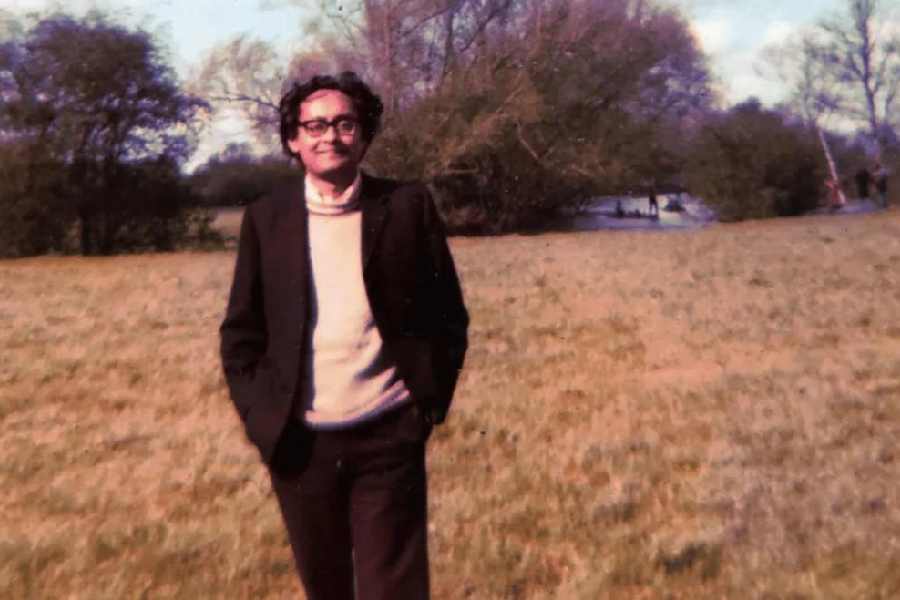
Sumit Sarkar: A Historian Who Questioned History Through Humanity

Sumit Sarkar: Historian Who Rewrote India's Freedom Struggle Memory

Jyoti Yadav’s Covid Book Challenges India’s Forced Forgetting
CJP Coverage: News vs Social Media Sentiment Gap

Indian Protesters Attack 'Lapdog Media' Reporter

Deepfakes of Journalists on Bihar NDA-PTI Funding Spread