2 weeks ago
Sumit Sarkar: Historian Who Rewrote India's Freedom Struggle Memory

Sumit Sarkar was a historian who studied India's past.
He believed the stories of ordinary people matter just as much as those of kings and leaders.
In the 1980s, he helped start a group called Subaltern Studies.
The group wanted to write history 'from below,' giving a voice to people who had been left out of older history books.
Later, Sarkar disagreed with how the group was changing.
He thought it was focusing too much on culture, words and identity.
He believed history should stand on real economic and social facts.
He wrote about his worries in two books, 'Writing Social History' and 'Beyond Nationalist Frames.'
It takes courage to help build a movement and then publicly disagree with its direction.
He was remembered as a scholar who followed the evidence, not fashion.

In the 1980s Sumit Sarkar became a founding member of the Subaltern Studies collective, which aimed to write Indian history from below.
The collective sought to recover the agency of people silenced by elite historical records.
Sarkar later became one of Subaltern Studies' sharpest internal critics.
He argued the collective's turn toward culture, discourse and identity drifted from the economic and social realities history must stand on.
He published his doubts in 'Writing Social History' and 'Beyond Nationalist Frames', earning a reputation as a scholar who followed evidence rather than fashion.
- Who
- Sumit Sarkar, an Indian historian and founding member of the Subaltern Studies collective
- What
- Sarkar helped build the Subaltern Studies collective, which rewrote how India remembers its freedom struggle, then became one of its sharpest internal critics
- Where
- India, in scholarship on its freedom struggle
- When
- The 1980s, when he became a founding member of Subaltern Studies
- Why
- To write Indian history from below and recover the agency of those silenced by elite records
Subaltern Studies' cultural and identity turn
Sarkar's grounding in economic and social realities
Direction of Subaltern Studies
Subaltern Studies' cultural and identity turn
The collective's evolution toward culture, discourse and identity deepened its exploration of subaltern agency.
Sarkar's grounding in economic and social realities
Sarkar warned this drift pulled history away from the hard ground of economic and social realities it must stand on.
Key facts
- Subject
- Sumit Sarkar, historian
- Key role
- Founding member of the Subaltern Studies collective
- Founding period
- 1980s
- Collective's mission
- Writing Indian history from below
- Later stance
- One of Subaltern Studies' sharpest internal critics
- Main critique
- Turn toward culture, discourse and identity drifting from economic and social realities
- Key works
- 'Writing Social History' and 'Beyond Nationalist Frames'
- Scholarly reputation
- Followed the evidence rather than fashion
Sources
Related news
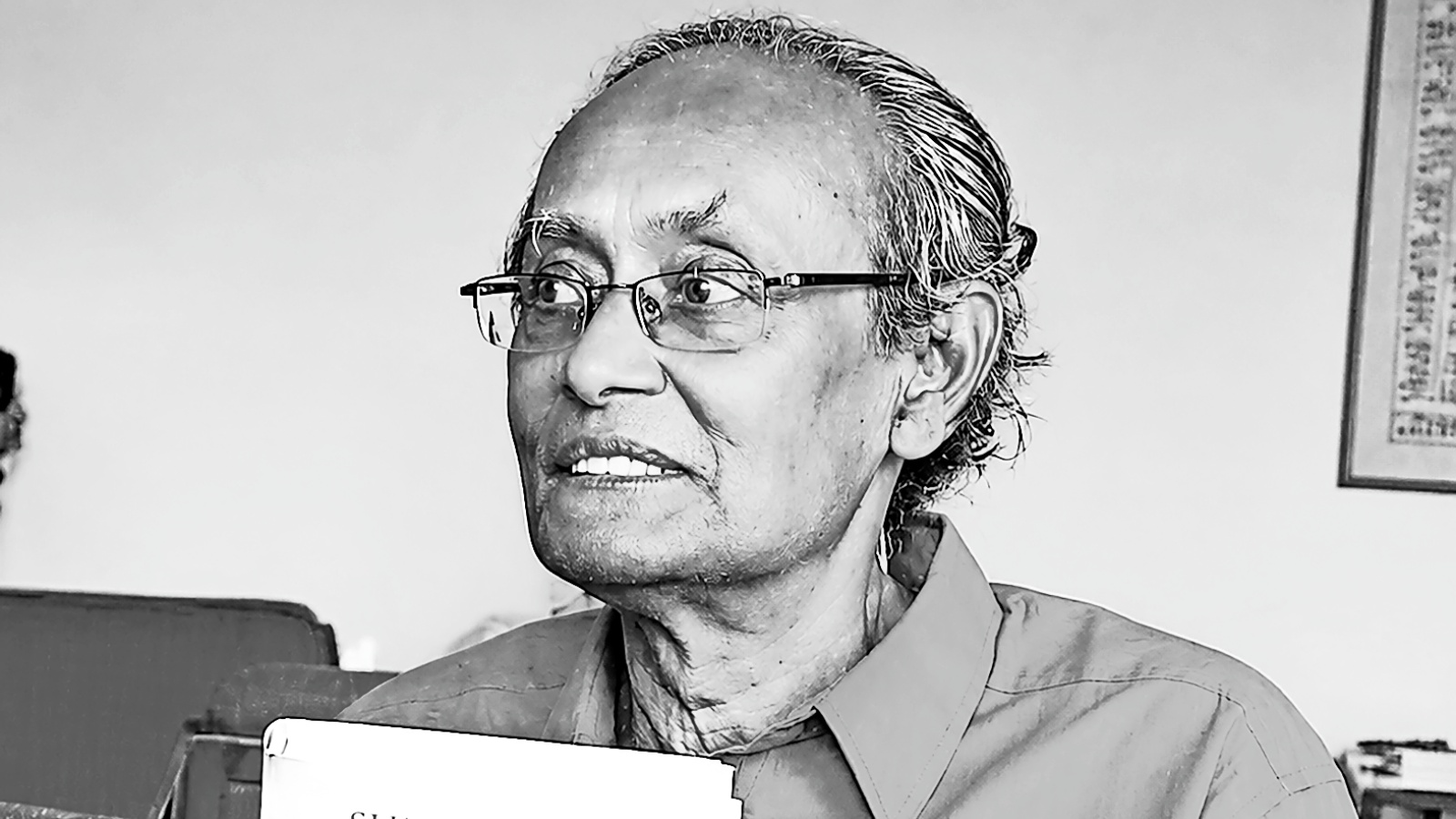
Historian Sumit Sarkar Dies After Reshaping Modern Indian History

Historian Sumit Sarkar, three-decade Delhi University teacher, dies at 87
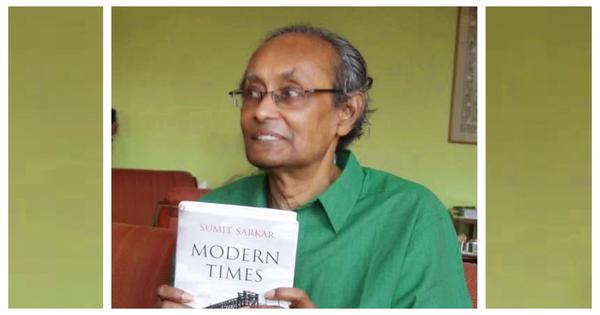
Sumit Sarkar’s History Challenged Dogma and Defended Pluralism
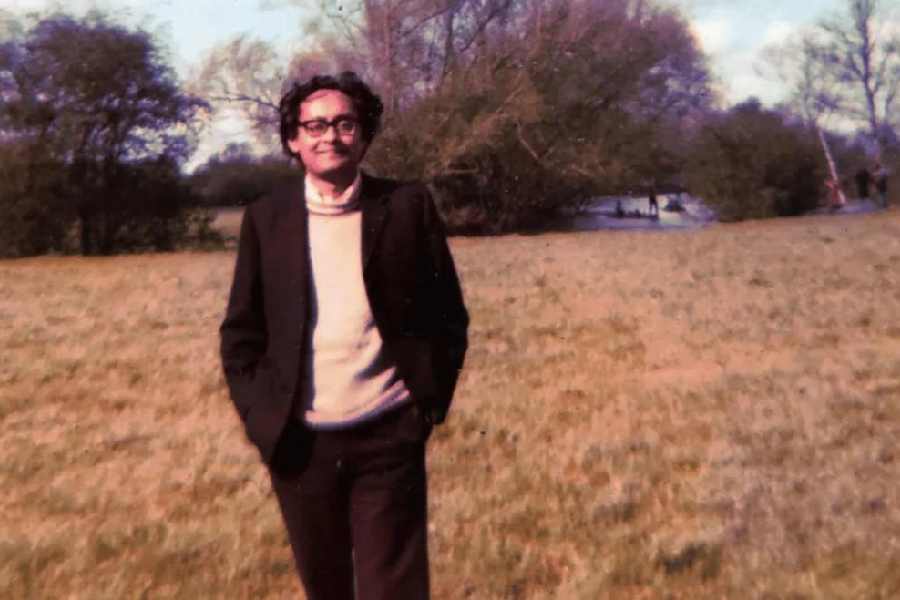
Sumit Sarkar: A Historian Who Questioned History Through Humanity

Naxalbari's Peasant Roots and the Urban Revolution Myth