

1 week ago
Reports Say Trump Overrode Warnings Before Iran War
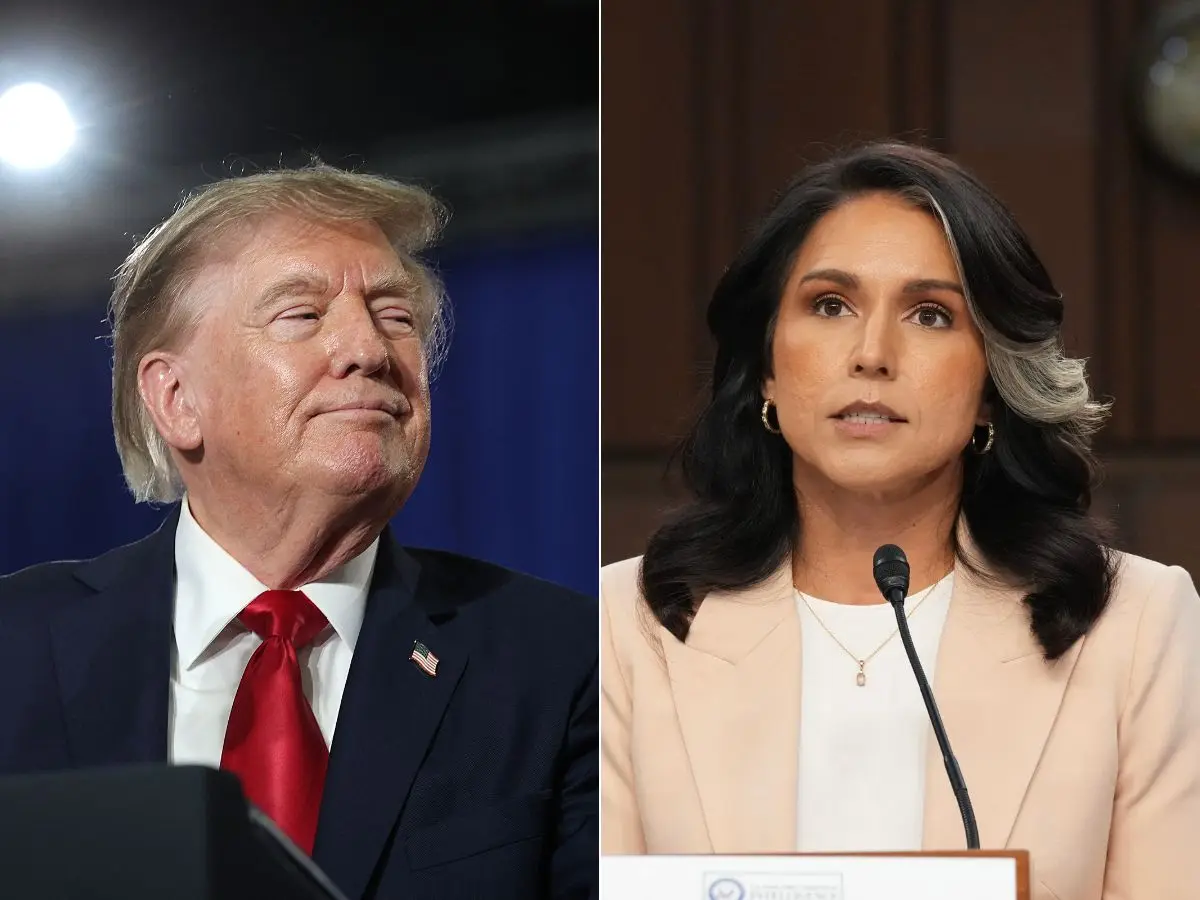
Reports say Donald Trump was warned that attacking Iran could create serious problems.
Tulsi Gabbard reportedly said killing Iran’s leader might strengthen the country’s hardest-line forces.
She also warned that Iran could move faster toward building nuclear weapons.
Gabbard predicted that Iran might attack American allies and disrupt ships carrying oil.
Military planners warned that a long war could use too many American weapons and troops.
Trump approved the attack with support from Israeli and Pentagon officials who expected a quick victory.
The war instead lasted much longer than the predicted six weeks.
It reportedly caused deaths, injuries, higher energy prices and regional instability.
The United States later emphasized negotiations, sanctions and maritime enforcement instead of immediately returning to full-scale bombing.

Tulsi Gabbard, JD Vance and US military planners reportedly warned Trump that attacking Iran could produce escalation, regional retaliation and a prolonged conflict.
Gabbard reportedly cautioned that killing Ayatollah Ali Khamenei could strengthen hard-line Iranian forces and accelerate efforts to develop nuclear weapons.
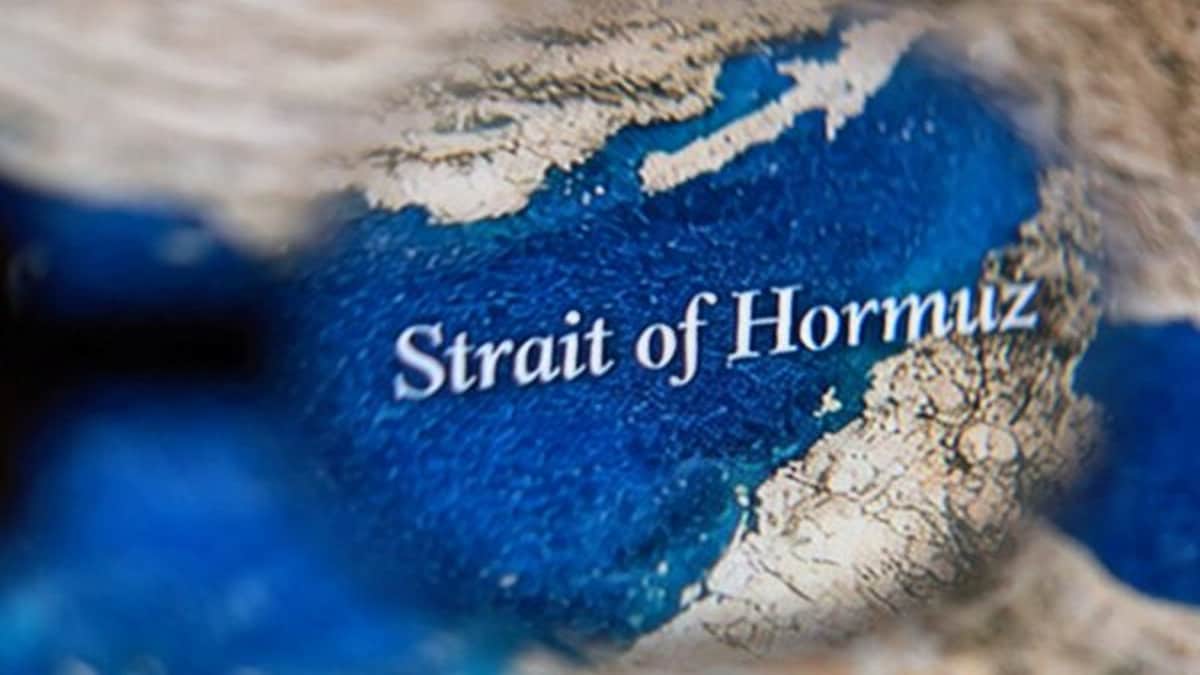
She also warned that Iran could disrupt shipping through the Strait of Hormuz and attack US allies, risks the reports say later materialized.
Trump approved the US-Israeli Operation Epic Fury on February 28 after Israeli and Pentagon officials argued that Iran was vulnerable and could be defeated quickly.
The conflict reportedly lasted into its sixth month, causing casualties and energy disruption before the administration shifted toward negotiations, sanctions and maritime pressure.
- Who
- US President Donald Trump, then-Director of National Intelligence Tulsi Gabbard, Vice President JD Vance, US military leaders, Israeli Prime Minister Benjamin Netanyahu, Iran and Israel.
- What
- According to Wall Street Journal reporting summarized by the articles, Trump approved a US-Israeli offensive against Iran despite warnings that it could strengthen hard-liners, accelerate nuclear efforts, disrupt energy supplies and widen the conflict.
- Where
- The campaign targeted locations across Iran, while reported retaliation and shipping disruption affected US forces, Gulf countries, the Strait of Hormuz and wider regional energy markets.
- When
- The reported Oval Office briefing occurred shortly before Operation Epic Fury began on February 28; the conflict had reportedly continued into its sixth month when the articles were published.
- Why
- Trump and supporters of military action reportedly believed Iran was unusually vulnerable and that strikes could quickly damage its nuclear infrastructure and force concessions; Gabbard, Vance and military planners warned of longer-term consequences.
Warnings and diplomacy
Military action and pressure
Whether to launch the offensive
Warnings and diplomacy
Tulsi Gabbard, JD Vance and military planners reportedly warned that an attack could strengthen Iranian hard-liners, accelerate nuclear efforts, trigger retaliation and create a prolonged war.
Military action and pressure
Trump, Benjamin Netanyahu, Pete Hegseth and other military officials reportedly argued that Iran was vulnerable and that coordinated strikes could disable its nuclear and military infrastructure.
Expected outcome and duration
Warnings and diplomacy
Cautious officials reportedly doubted that strikes would produce regime collapse or a quick surrender and urged diplomacy and sanctions first.
Military action and pressure
Trump reportedly believed US air power and Israeli assistance would force rapid concessions, initially expecting major combat to end in under six weeks.
Response after talks stalled
Warnings and diplomacy
Gulf leaders, regional intermediaries and many voters reportedly pressed Washington to negotiate and end a conflict threatening trade, energy supplies and regional stability.
Military action and pressure
The administration reportedly maintained pressure through Operation Economic Outcast, including naval enforcement, secondary sanctions and targeted interdictions against immediate threats.
Key facts
- Operation Epic Fury
- A combined US-Israeli air and missile campaign that began on February 28.
- Gabbard’s warnings
- She reportedly warned that removing Khamenei could empower hard-line forces, accelerate nuclear ambitions, trigger regional retaliation and disrupt the Strait of Hormuz.
- Military concerns
- US military leaders reportedly warned that the conflict could cost American lives, consume precision-guided munitions and air-defense interceptors, and stretch forces in the region.
- Expected duration
- Trump reportedly initially expected major combat to end in under six weeks, but the reports say the conflict entered its sixth month.
- Reported casualties
- One article reported 3,000 Iranians killed, 18 US service members killed and 756 American troops injured.
- Gabbard’s resignation
- She resigned as director of national intelligence in May and publicly cited the need to support her husband during cancer treatment; reports also linked her departure to disagreements over the war.
- Postwar strategy
- After a June truce or negotiating framework failed to produce a formal settlement, the administration reportedly turned to Operation Economic Outcast, sanctions, maritime enforcement and limited strikes.
- Date discrepancy
- The supplied accounts describe the June ceasefire or framework differently: one says the 60-day period expired August 17, while another identifies a June 17 peace framework without specifying the same expiration date.
Sources
Related news

Report Says Trump Was Warned of Iran War Risks
Trump Reportedly Ignored Warnings Before Iran War Escalation

Warnings Before War Highlighted Risks of Iran Escalation
Trump Rules Out Nuclear Weapons, Threatens Iran With More Strikes

Top Trump Advisor Caine Pushes Iran War Off-Ramp, Reports Say
Trump's Top General Seeks Off-Ramp as Iran War Drags On

Iran Seizes Fuel-Smuggling Vessel in Gulf, Arrests 11 Crew
Trump Floats Renaming Strait of Hormuz as “Trump Strait”

Chevron Plans $7 Billion Venezuela Expansion Amid U.S. Oil Push
Saudi Tanker Hit in Hormuz, Killing Two Filipino Sailors

Indian Stocks Extend Three-Day Losing Streak as Oil Rises
