1 week ago
Report Says Trump Was Warned of Iran War Risks

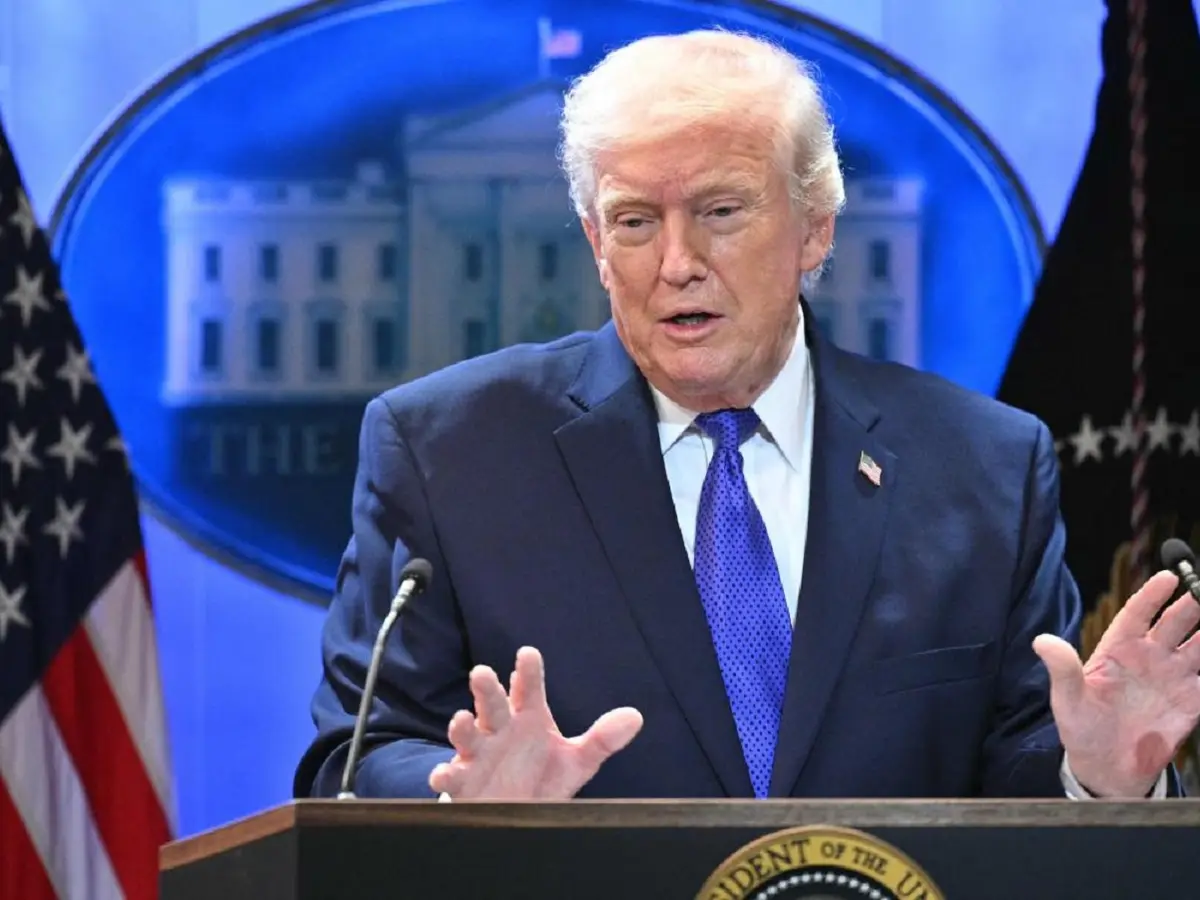
U.S. intelligence officials reportedly warned President Donald Trump about the risks of attacking Iran.
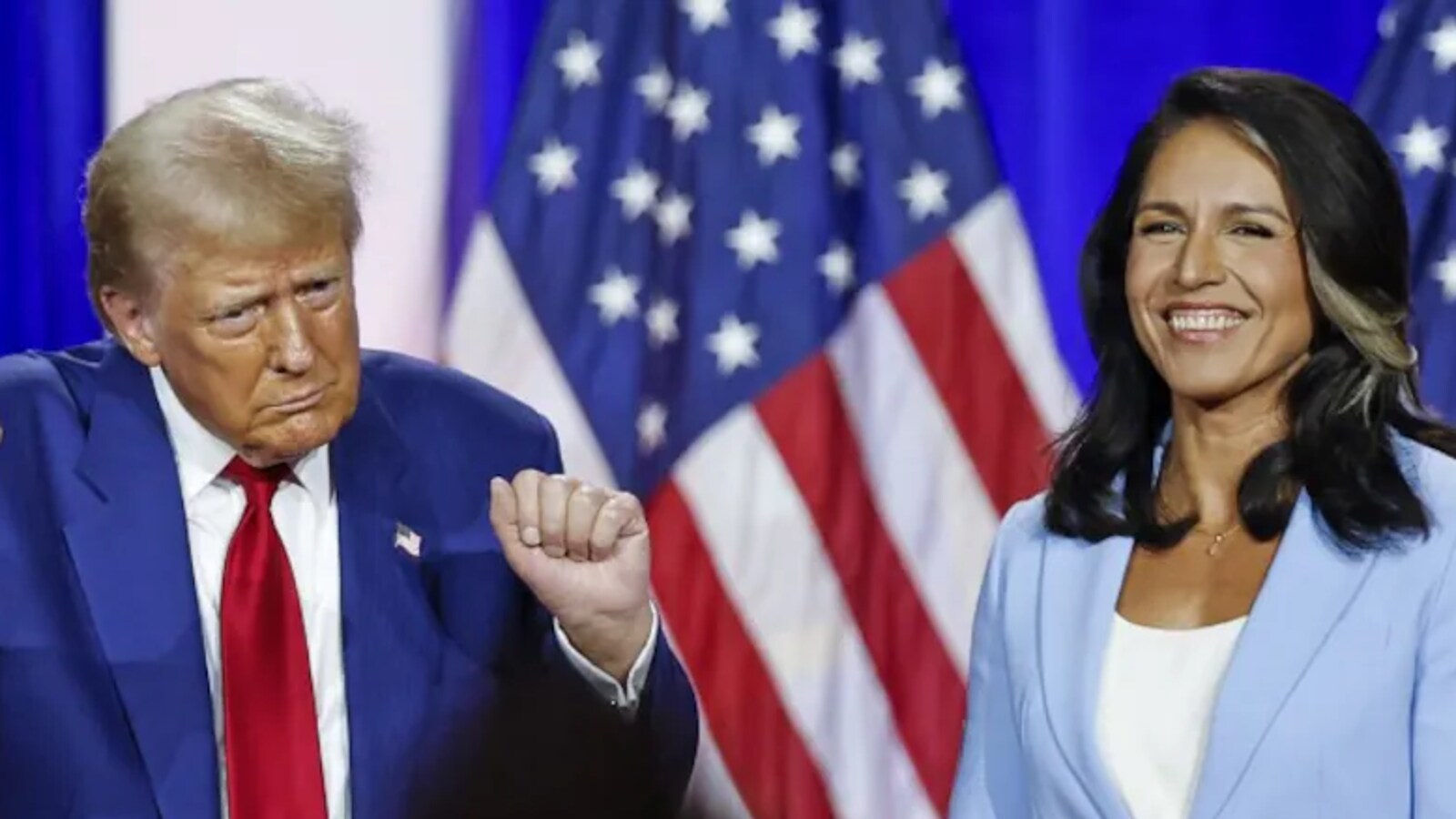
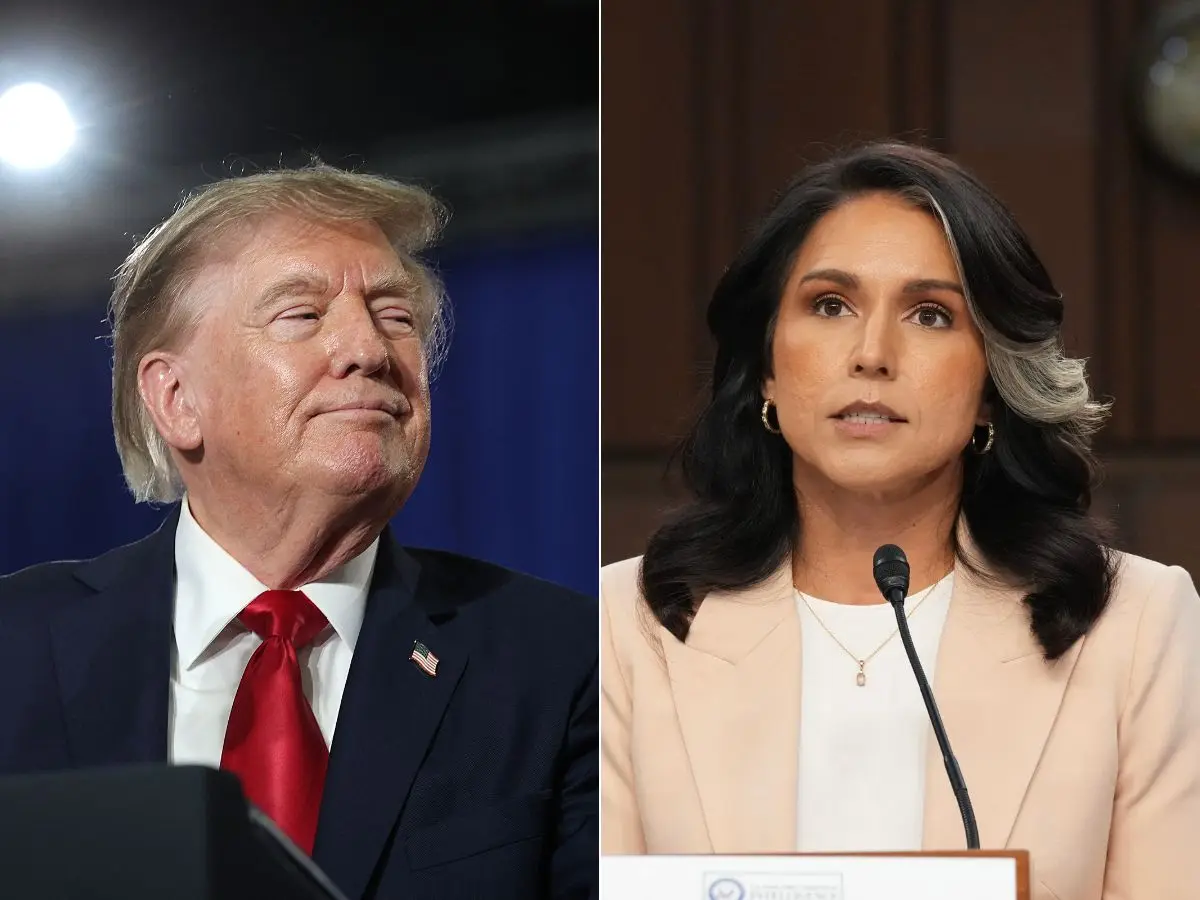
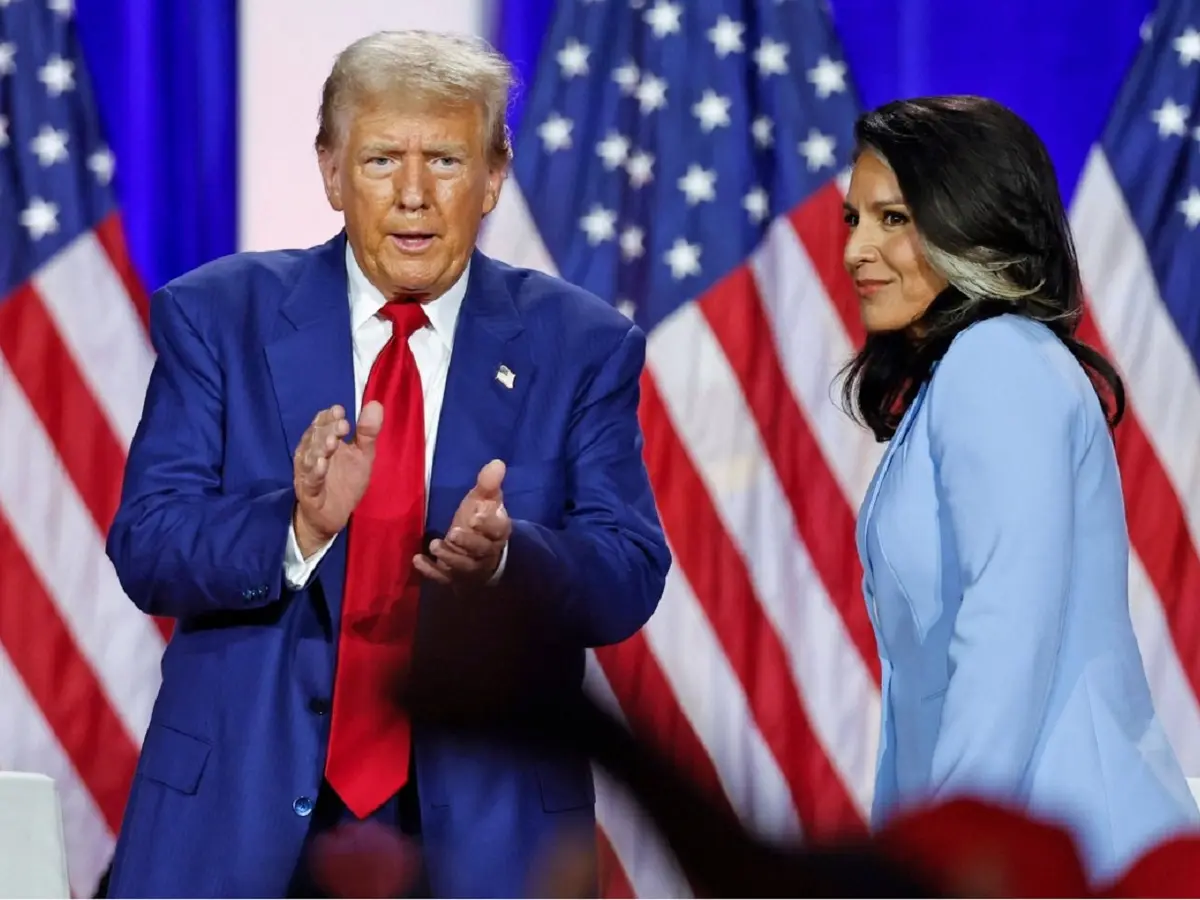
Tulsi Gabbard allegedly said that removing Iran’s supreme leader could lead to an even tougher government.
Officials also predicted that Iran might close the Strait of Hormuz, an important route for ships carrying energy supplies.
They warned that Iran could attack U.S. troops and American partners in the region.
Military leaders worried that the fighting would cause deaths and use up weapons.
Trump went ahead after Israeli Prime Minister Benjamin Netanyahu described the war as a chance to weaken Iran’s nuclear program.
Trump had said the conflict would end in six weeks, but the report says it continued six months later.
More than 3,000 people, including 18 U.S. troops, were reportedly killed.
Trump is now using sanctions and a blockade while considering whether reopening the shipping route could be presented as a victory.

Tulsi Gabbard reportedly warned Donald Trump that killing Iran’s supreme leader could produce a harder-line government seeking nuclear weapons.
U.S. officials reportedly warned that Iran could close the Strait of Hormuz and attack American forces and regional partners.
Military leaders also cautioned about casualties, depleted weapons supplies and readiness problems.
Six months after Trump predicted a six-week conflict, the war reportedly remains unresolved and Iran’s new leadership shows no sign of capitulating.
The fighting has reportedly killed more than 3,000 people, including 18 U.S. service members, while damaging bases and creating political costs for Trump.
- Who
- Donald Trump, Tulsi Gabbard, Israeli Prime Minister Benjamin Netanyahu, Iranian leaders, and U.S. intelligence and military officials.
- What
- A Wall Street Journal report says Trump was warned about the possible consequences of escalating militarily against Iran before U.S. strikes.
- Where
- Iran, the wider Middle East, U.S. military bases, and the Strait of Hormuz.
- When
- The warnings were reportedly delivered days before Trump authorized initial missile strikes in February; the article assesses the conflict six months later.
- Why
- Trump reportedly accepted Netanyahu’s argument that military action could damage Iran’s nuclear capabilities and support Trump’s peacemaker legacy.
Critics and Former Officials
Trump and Supporters of Military Pressure
Decision to launch the war
Critics and Former Officials
Critics and former officials argue that the conflict began without a clear political objective and that its consequences were foreseeable.
Trump and Supporters of Military Pressure
Trump reportedly accepted Netanyahu’s view that military action offered an opportunity to weaken Iran’s nuclear program and strengthen his peacemaker legacy.
Prospects for a nuclear agreement
Critics and Former Officials
Some former officials believe securing a deal that permanently stops Iran’s nuclear work may be extremely difficult after the prolonged conflict.
Trump and Supporters of Military Pressure
Trump’s reported strategy is to use sanctions and a blockade to pressure Iran’s government into surrendering, even as his administration considers declaring victory without a nuclear deal.
Political consequences
Critics and Former Officials
Critics say the unresolved war, resource strain and mishandled diplomacy have become a political liability for Trump and Republican candidates.
Trump and Supporters of Military Pressure
Trump maintains that economic pressure will eventually force Iran’s government to submit.
Key facts
- Reported intelligence assessment
- Removing Iran’s supreme leader could produce a harder-line government willing to pursue nuclear weapons.
- Strait of Hormuz
- U.S. officials reportedly warned that Iran could close the shipping passage, disrupting global energy markets.
- Retaliation risk
- Iran was expected to target U.S. forces and regional partners in the Middle East.
- Military concerns
- Senior military officials reportedly warned about casualties, weapons shortages and readiness problems.
- Trump’s timeline
- Trump reportedly predicted that the war would end within six weeks.
- Reported toll
- More than 3,000 people, including 18 U.S. service members, were reportedly killed.
- Reported U.S. response
- Trump has relied on sanctions and an extended blockade while considering whether reopening the Strait of Hormuz could support a victory claim without a nuclear agreement.
Quotes
Eric Brewer
Deputy vice president at the Nuclear Threat Initiative and former official in Democratic and Republican administrations
“This was all predictable and predicted, asking the WSJ where it is going to end up in a year? You can draw a straight line from the fact that the war was launched without any clear political objective to the mishandled diplomacy in trying to end it.”
 freepressjournal.in
 NDTV
NDTV
Sources
Related news
Reports Say Trump Overrode Warnings Before Iran War
Trump Reportedly Ignored Warnings Before Iran War Escalation

Warnings Before War Highlighted Risks of Iran Escalation
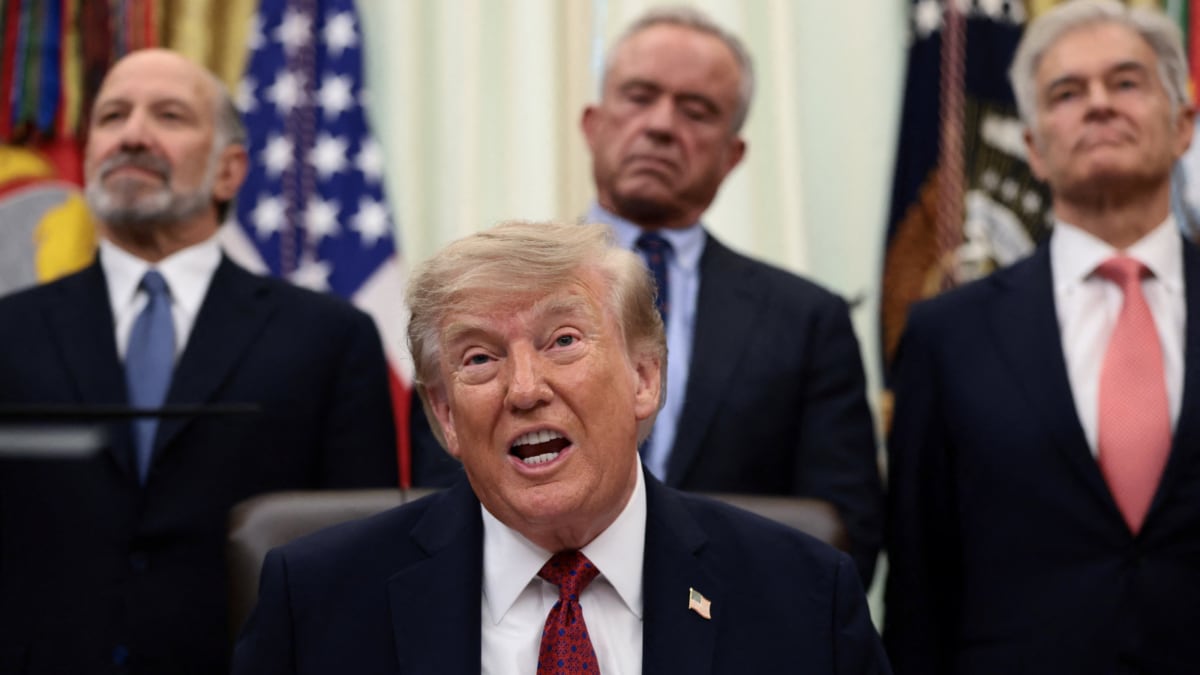
Trump Rules Out Nuclear Weapons, Threatens Iran With More Strikes
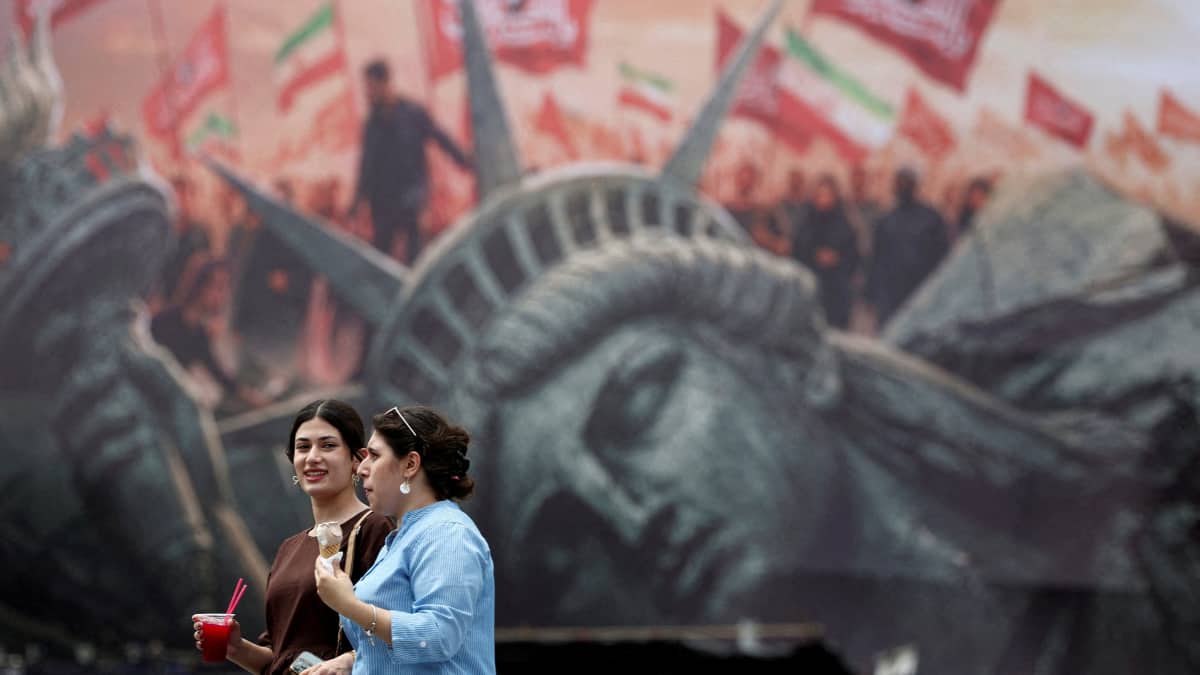
Six Months Into Iran War, No Winners and Global Costs
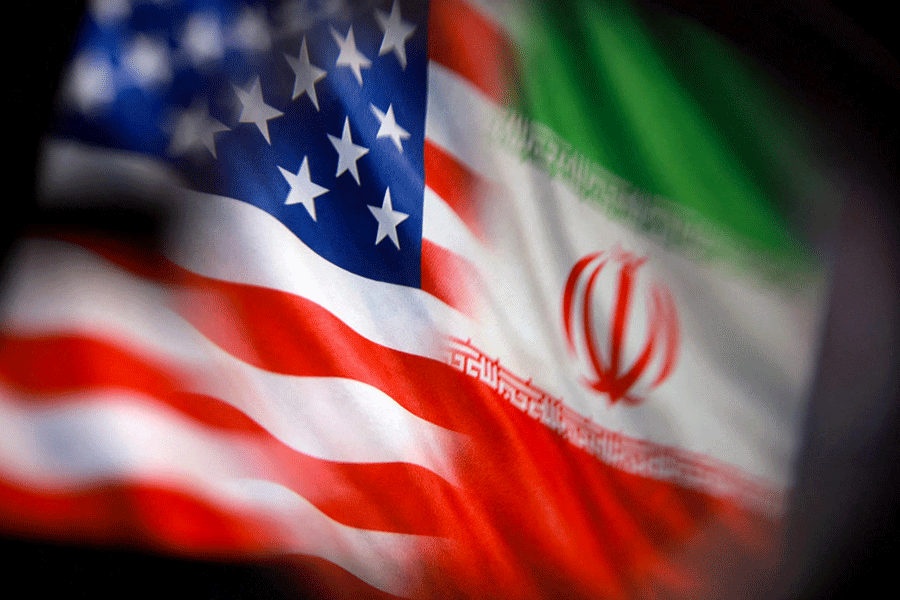
Iran War Exposes Limits of American Military Power
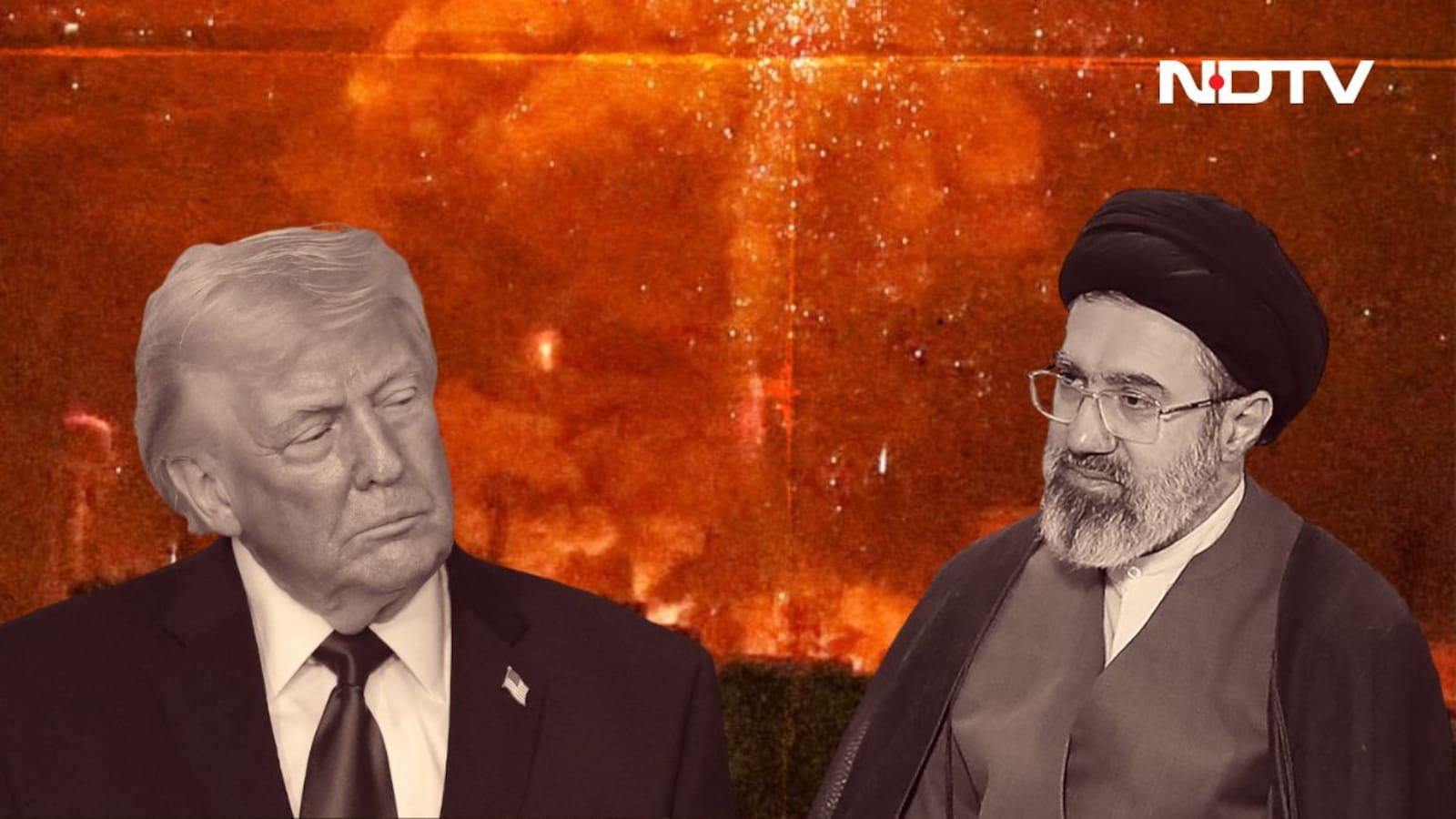
US-Iran Strikes Escalate as Tehran Warns of New Strategy
Trump Warns of Fresh Iran Strike After Heavy Attack

Trump Says US Could Attack Iran Again at Will

U.S. Treasury Yields Ease as Jobs Data Misses Expectations

Iran Seizes Fuel-Smuggling Vessel in Gulf, Arrests 11 Crew