1 week ago
Warnings Before War Highlighted Risks of Iran Escalation

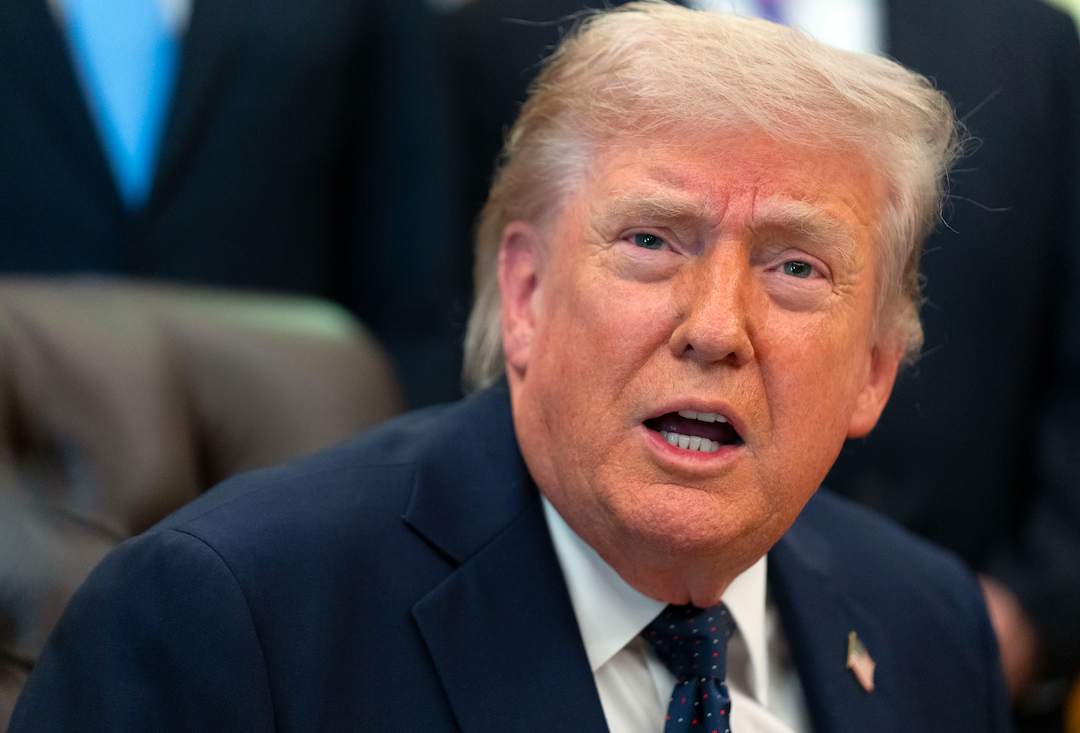
Before the war, U.S. intelligence officials warned about what might happen if Iran’s supreme leader were killed.
Tulsi Gabbard reportedly shared these warnings with Donald Trump.
She said Iran might then get a tougher government.
That government could be more interested in obtaining nuclear weapons.
She also warned that Iran might close an important waterway called the Strait of Hormuz.
Closing it could make energy supplies and prices around the world unstable.
Iran might also attack U.S. troops and partner countries in the Middle East.
These events could make allies question whether the United States would continue supporting them.

Tulsi Gabbard reportedly briefed Donald Trump on intelligence assessments before the war.
She warned that killing Iran’s supreme leader could produce a more hard-line government.
The resulting regime might be more willing to pursue nuclear weapons, according to the assessment.
Gabbard also warned that Tehran could close the Strait of Hormuz and disrupt global energy markets.
She said Iran could attack U.S. forces and Middle Eastern partners, testing American reliability with allies.
- Who
- Then-Director of National Intelligence Tulsi Gabbard briefed Donald Trump, based on accounts from people familiar with the meeting; Iran and its supreme leader were central to the assessment.
- What
- U.S. intelligence assessments warned that killing Iran’s supreme leader could trigger a harder-line regime, possible nuclear ambitions, closure of the Strait of Hormuz, and attacks on U.S. forces and regional partners.
- Where
- The potential consequences involved Iran, the Strait of Hormuz, U.S. forces and partners in the Middle East, and global energy markets.
- When
- The warnings were given before the war, which the article says has now reached the six-month mark.
- Why
- The assessments were intended to outline the possible strategic and economic consequences of killing Iran’s supreme leader.
Key facts
- Briefing official
- Tulsi Gabbard, then-director of national intelligence
- Recipient
- Donald Trump
- Central warning
- Killing Iran’s supreme leader could bring a more hard-line regime
- Nuclear concern
- The successor regime might be more open to acquiring nuclear weapons
- Economic risk
- Iran could close the Strait of Hormuz, destabilizing global energy markets
- Military risk
- Iran could strike U.S. forces and partners in the Middle East
- Current context
- The war has reached the six-month mark
Sources
Related news

Report Says Trump Was Warned of Iran War Risks
Reports Say Trump Overrode Warnings Before Iran War
Trump Reportedly Ignored Warnings Before Iran War Escalation
Unverified Israeli Iran Threat Warnings Prompted Secret Trump Jet Switch
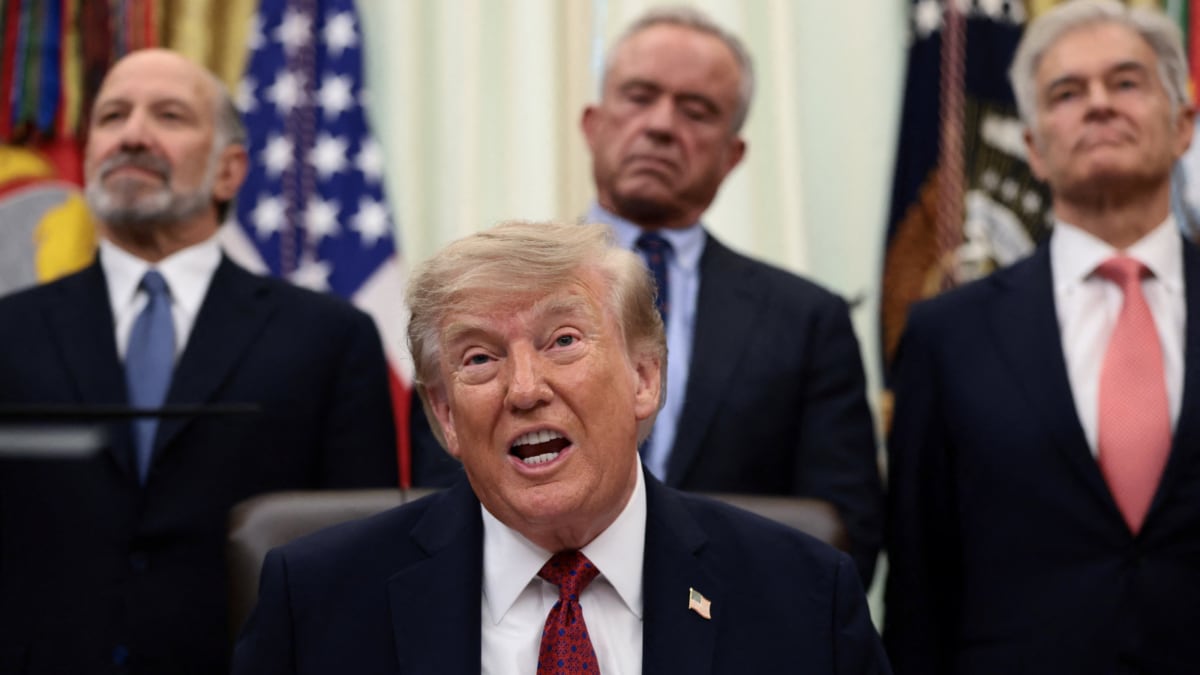
Trump Rules Out Nuclear Weapons, Threatens Iran With More Strikes

Iran Warns Neighbors as Trump Escalates Economic Pressure
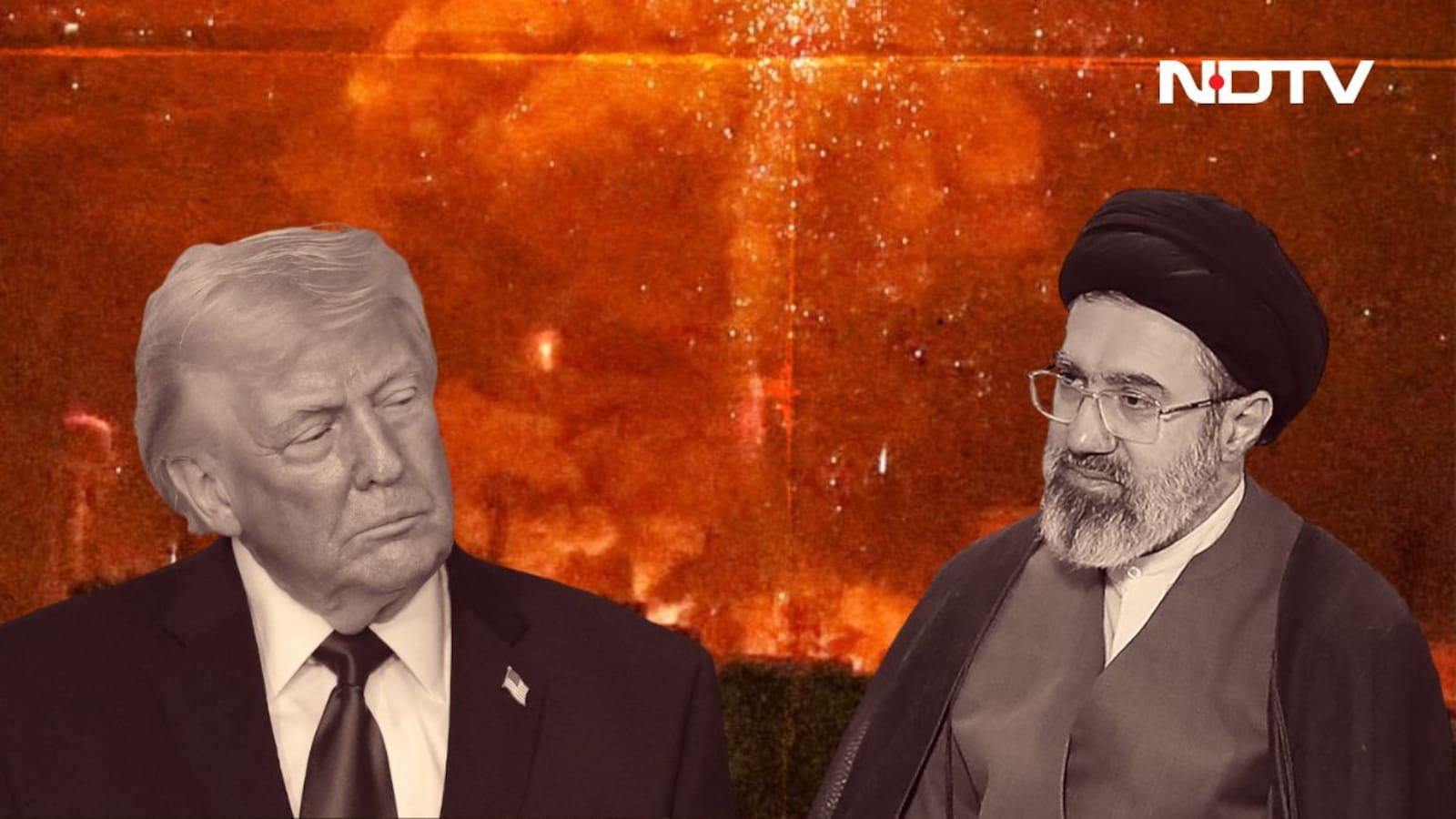
US-Iran Strikes Escalate as Tehran Warns of New Strategy
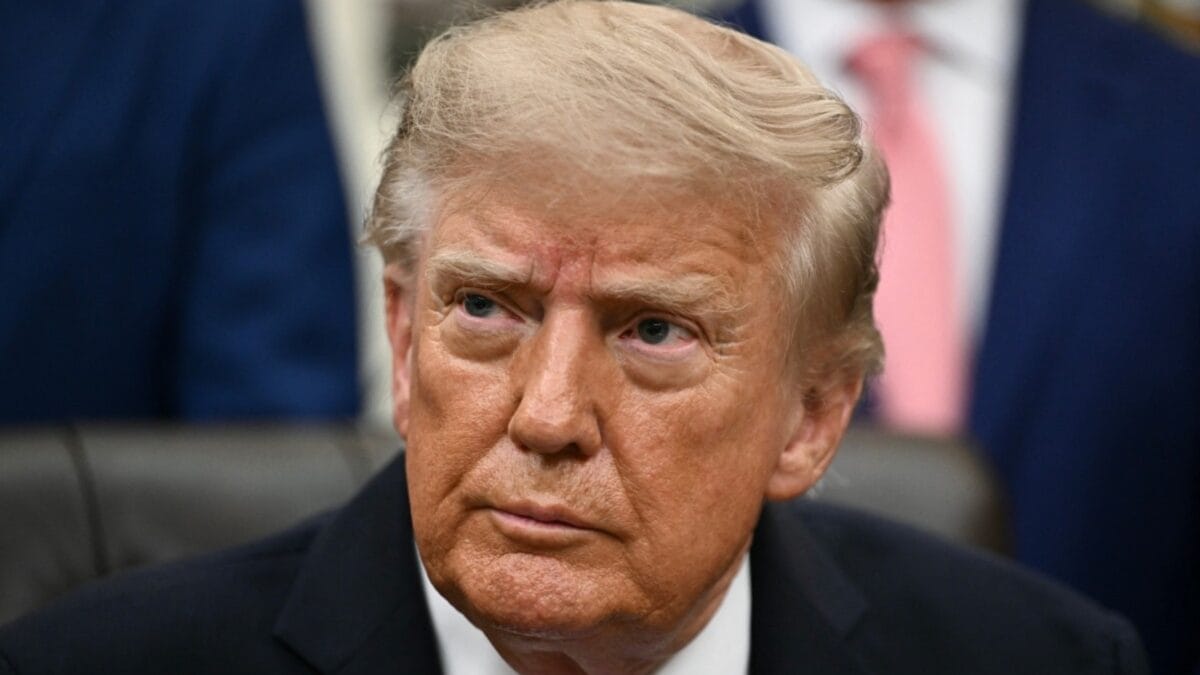
Trump Warns of Fresh Iran Strike After Heavy Attack

Trump Says US Could Attack Iran Again at Will

U.S. Treasury Yields Ease as Jobs Data Misses Expectations
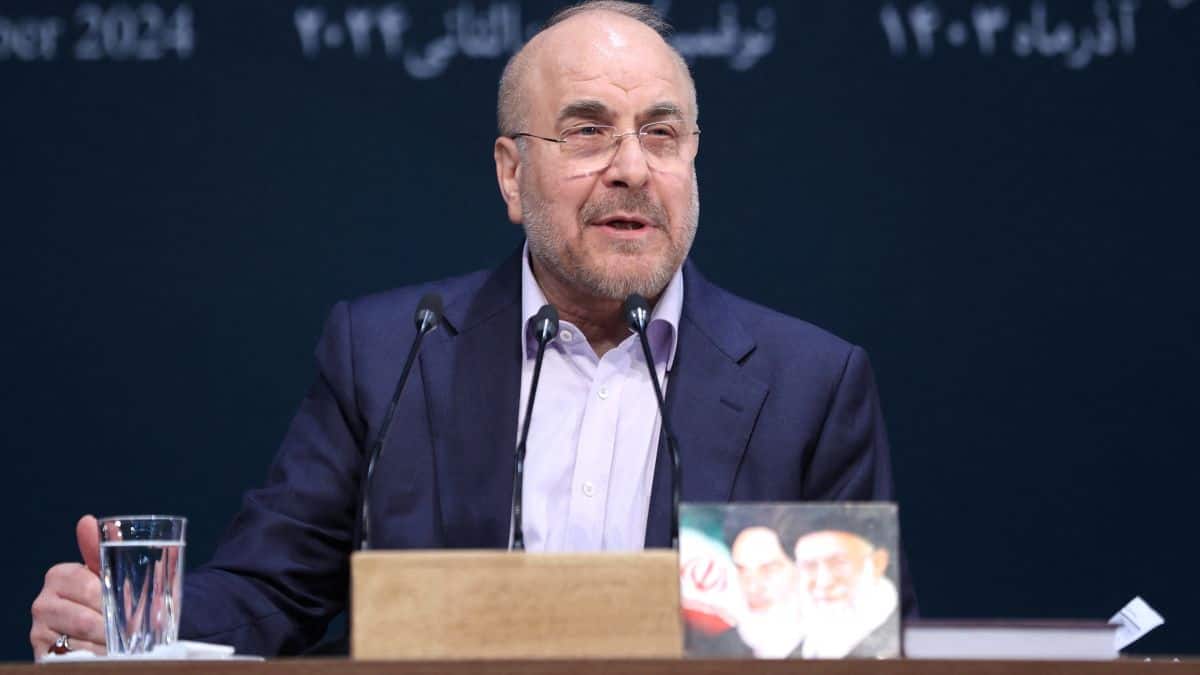
Iran Seizes Fuel-Smuggling Vessel in Gulf, Arrests 11 Crew