1 week ago
Liver-Brain Axis Links Liver Health To Brain Function
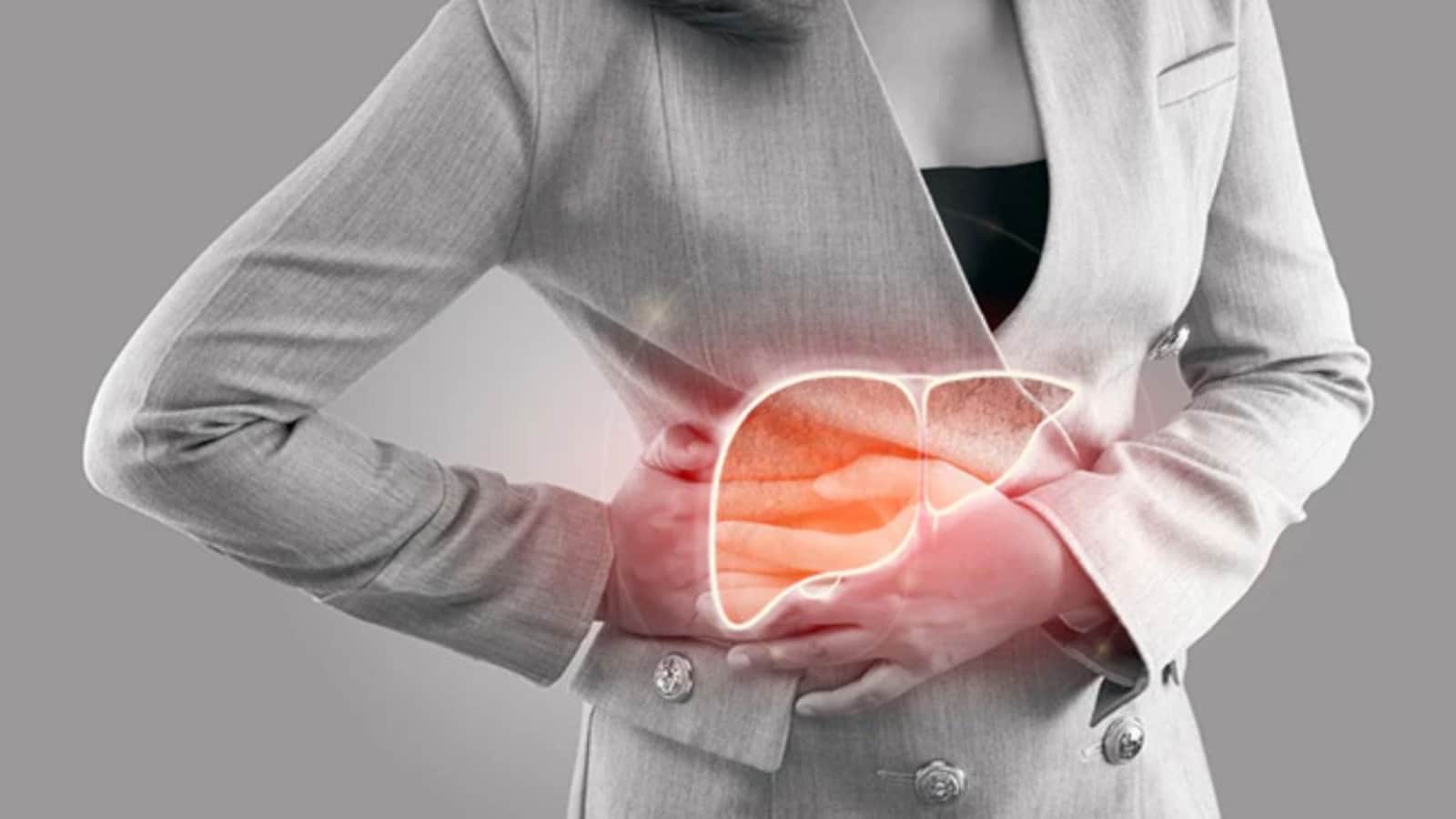
The liver and brain are connected in several ways.
The liver cleans and processes substances in the blood.
If the liver becomes severely damaged, ammonia can build up and affect the brain.
This can cause confusion, sleepiness, shaking or even coma.
Fatty liver disease may also be linked to changes in memory and thinking.
Scientists think inflammation, blood-vessel problems and gut bacteria could be involved.
However, researchers are still studying how strong this connection is.
Caring for the liver through healthy habits can support overall health, but it has not been proven to prevent dementia.

The liver and brain communicate through metabolic, immune, hormonal, neural and gut-mediated signals.
Severe liver dysfunction can cause hepatic encephalopathy when ammonia and other substances accumulate in the bloodstream.
Hepatic encephalopathy may cause confusion, poor concentration, personality changes, sleepiness, tremors or coma.
Research suggests MASLD may be associated with cognitive and brain-health changes involving inflammation and metabolic disruption.
Experts say liver health supports overall wellbeing, but evidence does not prove it prevents dementia.
- Who
- Dr Jaideep Bansal and researchers studying liver-brain communication.
- What
- Research is examining how liver disease, including hepatic encephalopathy and MASLD, may affect brain function.
- Where
- The liver-brain axis involves communication through the bloodstream, immune system, gut, metabolic signals and neural pathways.
- When
- The article cites a 2024 review and a 2026 review, while describing the research as ongoing.
- Why
- Liver dysfunction can allow ammonia, inflammatory molecules and other metabolic substances to influence the brain.
Evidence Suggests A Liver-Brain Connection
Researchers Urge Caution About Conclusions
MASLD and cognition
Evidence Suggests A Liver-Brain Connection
Reviews and experimental research suggest MASLD may affect cognition through inflammation, metabolic disturbances, vascular changes and gut-liver-brain signalling.
Researchers Urge Caution About Conclusions
The article says much of the evidence is observational, mechanistic or based on experimental models, so the strength and exact nature of the relationship remain uncertain.
Liver care and brain protection
Evidence Suggests A Liver-Brain Connection
Maintaining liver and metabolic health may help support brain function and overall health.
Researchers Urge Caution About Conclusions
It is premature to describe liver care as a proven strategy for preventing dementia, and cognitive changes can have many causes.
Key facts
- Main connection
- The liver-brain axis is a bidirectional communication network involving metabolic, immune, hormonal, neural and gut-mediated signals.
- Severe complication
- Hepatic encephalopathy can occur when serious liver dysfunction allows ammonia and other neurotoxic substances to accumulate.
- Possible symptoms
- Symptoms may include poor concentration, confusion, personality changes, excessive sleepiness, tremors, slurred speech and reduced alertness.
- Condition under study
- Metabolic dysfunction-associated steatotic liver disease, or MASLD, may be associated with cognitive dysfunction and compromised brain health.
- Possible mechanisms
- Researchers are investigating inflammation, oxidative stress, insulin resistance, lipotoxicity, vascular disease and gut-liver-brain disruption.
- Evidence limitation
- Much of the MASLD evidence is observational, mechanistic or experimental and does not prove direct causation or dementia prevention.
- Health measures
- Suggested measures include exercise, a balanced diet, healthy weight management, diabetes and cholesterol control, and limiting alcohol.
Quotes
Dr Jaideep Bansal
Principal Director and Head of Neurology, Fortis Hospital, Shalimar Bagh, India
“In chronic liver disease or liver failure, the liver cannot effectively convert ammonia into urea. As ammonia builds up in the bloodstream, it crosses the blood‑brain barrier and accumulates in brain cells called astrocytes.”
 NDTV
NDTV
“The liver is best known for filtering toxins and regulating metabolism, but research shows it also plays a vital role in brain health through the liver-brain axis.”
NDTV
Sources
Related news

Liver Disease Risks Extend Beyond Alcohol, Doctor Warns

Healthy diet and lifestyle can prevent liver disease, experts say

Lean Adults Can Develop Fatty Liver Despite Normal BMI

Common Medicines Can Quietly Cause Silent Liver Damage
Exercise May Help Ageing Brain Clear Waste, Review Suggests

Ashwagandha Tablets for Anxiety Relief

Climate Heat Stress Threatens India’s Children and Elderly

India Proposes Red Front-Pack Warnings for High-Nutrient Foods
Minimally Invasive Bypass Surgery Enables Faster Recovery, Study Finds

India Drops Food Warning Labels as Court Reviews Policy