2 weeks ago
Teesta deadlock tests India-Bangladesh ties as Dhaka seeks China's help

Bangladesh and India are neighbors that share many rivers.
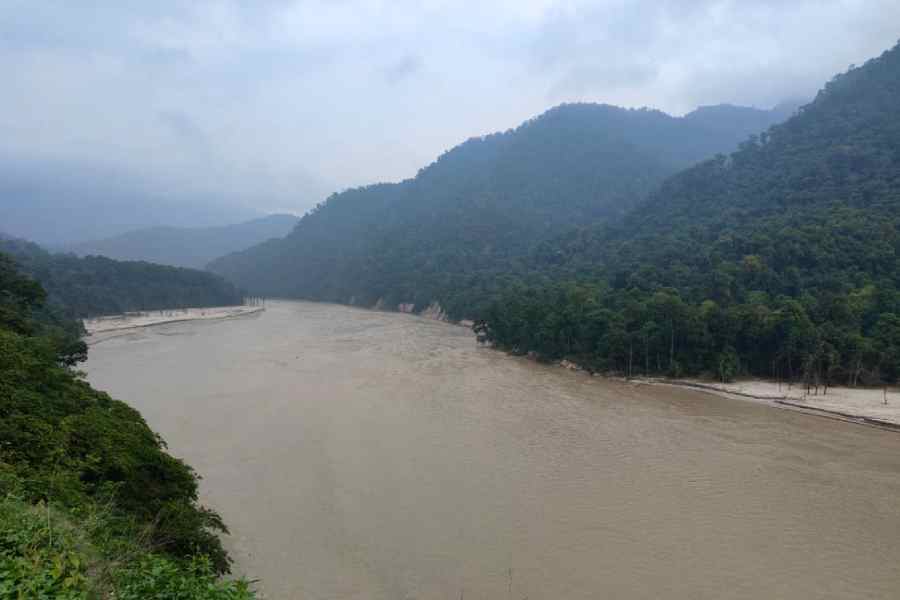
One of those rivers is called the Teesta, and both countries want to use its water.
Bangladesh says friends should look after each other's interests and should not fall out over the river.
Bangladesh is also getting help from China to build a big project to manage the Teesta.
The project is meant to stop floods and give farmers water in the dry season.
Many people in northern Bangladesh are hoping the project will fix problems like river erosion.
India has not signed a water-sharing deal because a part of India called West Bengal worried it would not have enough water.
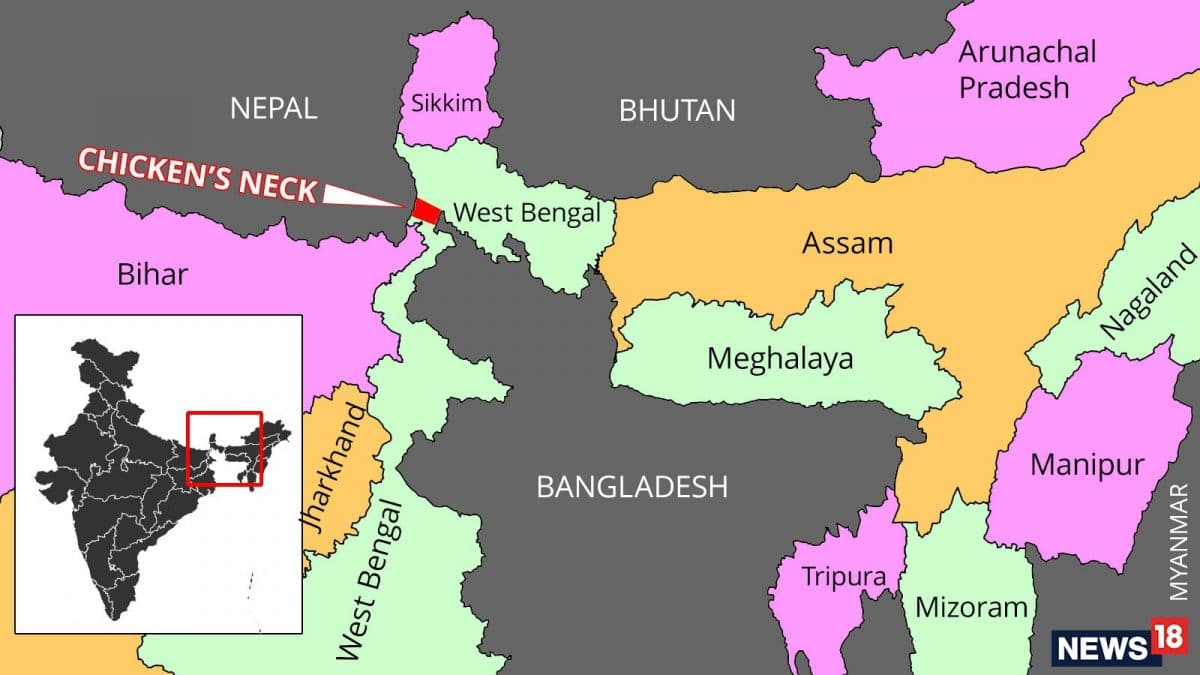
India is also careful because the area is close to a very important narrow strip of land called the Siliguri Corridor.
The two countries have been talking about the Teesta for many years and are still trying to find a solution.

Bangladesh Water Resources Minister Shahiduddin Chowdhury Anee said a friend should protect a friend's interests and urged India not to let the Teesta issue damage bilateral ties.
Anee spoke at the Sustainable Management of the Teesta River seminar in Dhaka, jointly organised by the Ministry of Water Resources and the Bangladesh University of Engineering and Technology.
Bangladesh is pushing the China-supported Teesta River Comprehensive Management and Restoration Project to tackle floods, river erosion and dry-season water shortages in its northern districts.
Teesta water-sharing talks date to the 1980s; an interim 1983 arrangement gave 39 percent of the water to India and 36 percent to Bangladesh, while a 2011 draft agreement was never signed due to West Bengal's opposition.
India's External Affairs Ministry spokesperson Randhir Jaiswal said in July that India had conveyed its views on the proposed project and would factor in all related developments in its overall approach.
- Who
- Bangladesh Water Resources Minister Shahiduddin Chowdhury Anee, Bangladesh Prime Minister Tarique Rahman, and India's External Affairs Ministry spokesperson Randhir Jaiswal
- What
- Bangladesh urged India not to let the long-pending Teesta water-sharing deadlock damage friendly ties while pushing ahead with a China-supported project to manage the river.
- Where
- Dhaka, Bangladesh. The Teesta River originates in the Himalayas and flows through India's Sikkim and West Bengal into Bangladesh, where it joins the Jamuna, the Bangladeshi name for the Brahmaputra.
- When
- Anee spoke at a seminar in Dhaka on Sunday; Jaiswal's comments were made in July; Rahman visited Beijing in June.
- Why
- Bangladesh wants to resolve the decades-old dispute to tackle floods, river erosion and dry-season water shortages in its northern districts.
Bangladesh's position
India's position
Teesta water-sharing agreement
Bangladesh's position
Bangladesh says a treaty is 'urgently needed' and that a friend should protect a friend's interests, urging India to consider Dhaka's needs; the 2011 draft agreement remains unsigned.
India's position
India says the issue must be addressed through discussions with all relevant stakeholders, including West Bengal, whose concerns over water availability stalled the 2011 draft.
Chinese involvement in the Teesta project
Bangladesh's position
Bangladesh sees China's support, including a commitment to expedite the feasibility study, as the way to implement the restoration project and solve the region's water problems.
India's position
India is sensitive to a deeper Chinese footprint in northern Bangladesh because of the region's proximity to the Siliguri Corridor, and has already conveyed its views on the proposed project.
Key facts
- Issue
- Long-pending Teesta river water-sharing agreement between India and Bangladesh
- 1983 interim arrangement
- 39% water to India, 36% to Bangladesh, 25% unallocated
- 2011 draft agreement
- Finalised but not signed due to opposition from the West Bengal government
- Proposed project
- Teesta River Comprehensive Management and Restoration Project, pursued with China's support
- China's commitment
- Expedite the technical feasibility study, pledged after Prime Minister Tarique Rahman's June visit to Beijing
- Shared rivers
- India and Bangladesh share 54 transboundary rivers
- Ganges Water Sharing Treaty
- Separate from the Teesta issue; signed in 1996 for 30 years, due to expire in December 2026
- Strategic concern
- Project area is near the Siliguri Corridor, the narrow land link connecting India's northeast to the rest of the country
Quotes
Shahiduddin Chowdhury Anee
Bangladesh Water Resources Minister
“"A friend should protect the interests of a friend. We never want our friendly relations with them to deteriorate."”
 telegraphindia.com
 freepressjournal.in
Sources
Related news
Teesta River Tests India-Bangladesh Strategic Trust Near Siliguri Corridor
Bangladesh Seeks Guarantee Clause as Ganges Treaty Nears Expiry
West Bengal Seeks Safeguards Before Ganga-Padma Pact Renewal
Centre Assures JDU Bihar’s Interests In Farakka Treaty Decision
Bangladesh and India Seek Equality-Based Reset in Bilateral Ties
Bihar Challenges Farakka Treaty Renewal, Pressuring India’s Central Government

Bangladesh Recall Shanto, Mahmud for Asian Games T20 Squad

Sharma and Malik share halfway lead at Telangana Golconda Masters

India Replaces Sri Lanka as 2027 Women’s Champions Trophy Host

India’s Record Wheat Harvest Opens $1.5 Billion Export Window