6 days ago
Bangladesh and India Seek Equality-Based Reset in Bilateral Ties
Bangladesh and India are neighbors that depend on each other in many ways.
They trade goods, share rivers and cooperate on energy, transport and security.
Their relationship became harder after Bangladesh changed governments in August 2024.
Bangladesh is concerned about trade barriers, water sharing and deaths at the border.
India is concerned about security, illegal migration, smuggling and regional stability.
Both countries also have different views about Bangladesh’s relationships with other countries.
The article says neither country needs to agree on everything to cooperate.
It suggests using fair rules, regular talks and shared information to solve problems.
This could create a stronger relationship based on mutual benefit and respect for sovereignty.

Bangladesh-India relations have faced strain since Bangladesh’s August 2024 political transition, amid disputes over water, borders, trade and connectivity.
Both countries remain deeply interconnected through trade, transport, energy, security cooperation and people-to-people links.
Bangladesh seeks better market access and progress on the unresolved Teesta water-sharing issue, while India emphasizes security, border management and connectivity.
The countries could improve ties through transparent trade and transit arrangements, non-lethal border measures, shared river data and institutional diplomacy.
A durable reset would emphasize equality, reciprocity and sovereignty rather than political alignment or dependence on individual governments.
- Who
- Bangladesh and India, including their governments and communities affected by trade, water, borders and security.
- What
- The two countries are being urged to recalibrate their bilateral relationship around equality, reciprocity, sovereignty and mutual interest.
- Where
- Across the Bangladesh-India border, shared rivers, trade routes, energy networks and the wider Bay of Bengal region.
- When
- The relationship has faced added strain since Bangladesh’s political transition in August 2024; the upcoming renewal of the Ganges treaty is identified as an opportunity for cooperation.
- Why
- Political mistrust, unresolved water and border concerns, trade imbalances, connectivity disagreements and differing security perspectives have complicated ties despite deep interdependence.
Bangladesh’s priorities
India’s priorities
Water and borders
Bangladesh’s priorities
Bangladesh emphasizes progress on the unresolved Teesta issue and raises concerns about civilian deaths and lethal force along the border.
India’s priorities
India faces concerns about border security, illegal migration, smuggling and cross-border crime, while the Teesta issue also involves agricultural and political interests in West Bengal.
Trade and connectivity
Bangladesh’s priorities
Bangladesh seeks fewer non-tariff barriers, easier certification, improved logistics and transparent arrangements that make transit, ports and waterways mutually profitable.
India’s priorities
India has connectivity and security interests linked to Bangladesh’s location, including potential access to the Bay of Bengal and shorter routes to its Northeast.
Foreign-policy choices
Bangladesh’s priorities
Bangladesh argues that a sovereign country should be free to develop relations with China, Japan, the United States, ASEAN countries and other partners.
India’s priorities
India wants recognition of its legitimate security interests and reassurance that Bangladesh’s territory will not be used against India’s security interests.
Key facts
- Political transition
- Bangladesh’s change of government in August 2024 affected bilateral perceptions and raised concerns in both countries.
- Shared rivers
- Bangladesh and India share 54 rivers.
- Ganges treaty
- The 1996 Ganges Water Sharing Treaty is presented as an example of negotiated cooperation; its upcoming renewal could support broader river management.
- Teesta dispute
- The unresolved Teesta issue remains a major concern in Bangladesh because of its effects on agriculture and water security in the north.
- Trade
- India is one of Bangladesh’s major trading partners, but bilateral trade has historically been heavily tilted toward India.
- Energy
- Bangladesh imports electricity from India, while Indian companies have invested in Bangladesh’s energy sector.
- Rohingya crisis
- Bangladesh hosts a very large displaced population from Myanmar, creating another area for possible Bangladesh-India cooperation.
Sources
Related news
India Pushes Business Ties Beyond Sheikh Hasina Dispute

India’s Eagerness to Host Tarique Rahman Signals Changing Bangladesh Ties
Bangladesh PM Tarique Rahman Eyes First India Visit, BRICS Summit

Bangladesh's India Reset Runs Deeper Than Diplomacy Alone
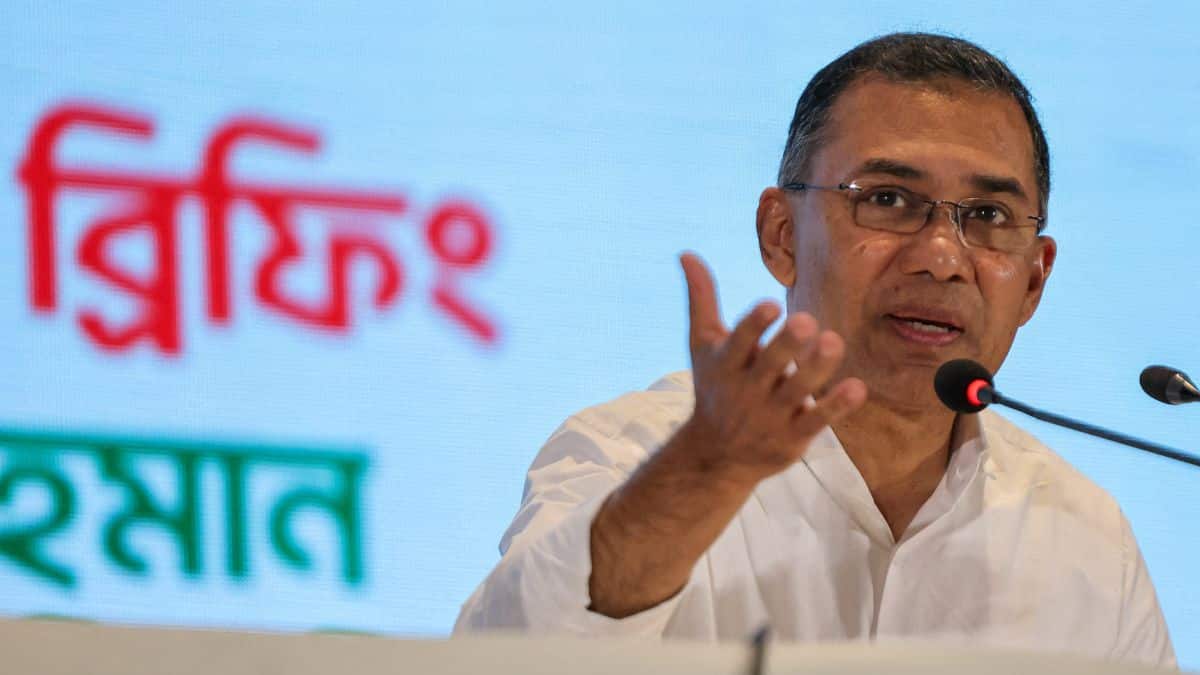
Bangladesh PM Tarique Rahman Likely To Visit India Next Week

Trivedi's Dhaka Challenge: India, Bangladesh Seek Diplomatic Reset

Bangladesh Recall Shanto, Mahmud for Asian Games T20 Squad

Sharma and Malik share halfway lead at Telangana Golconda Masters
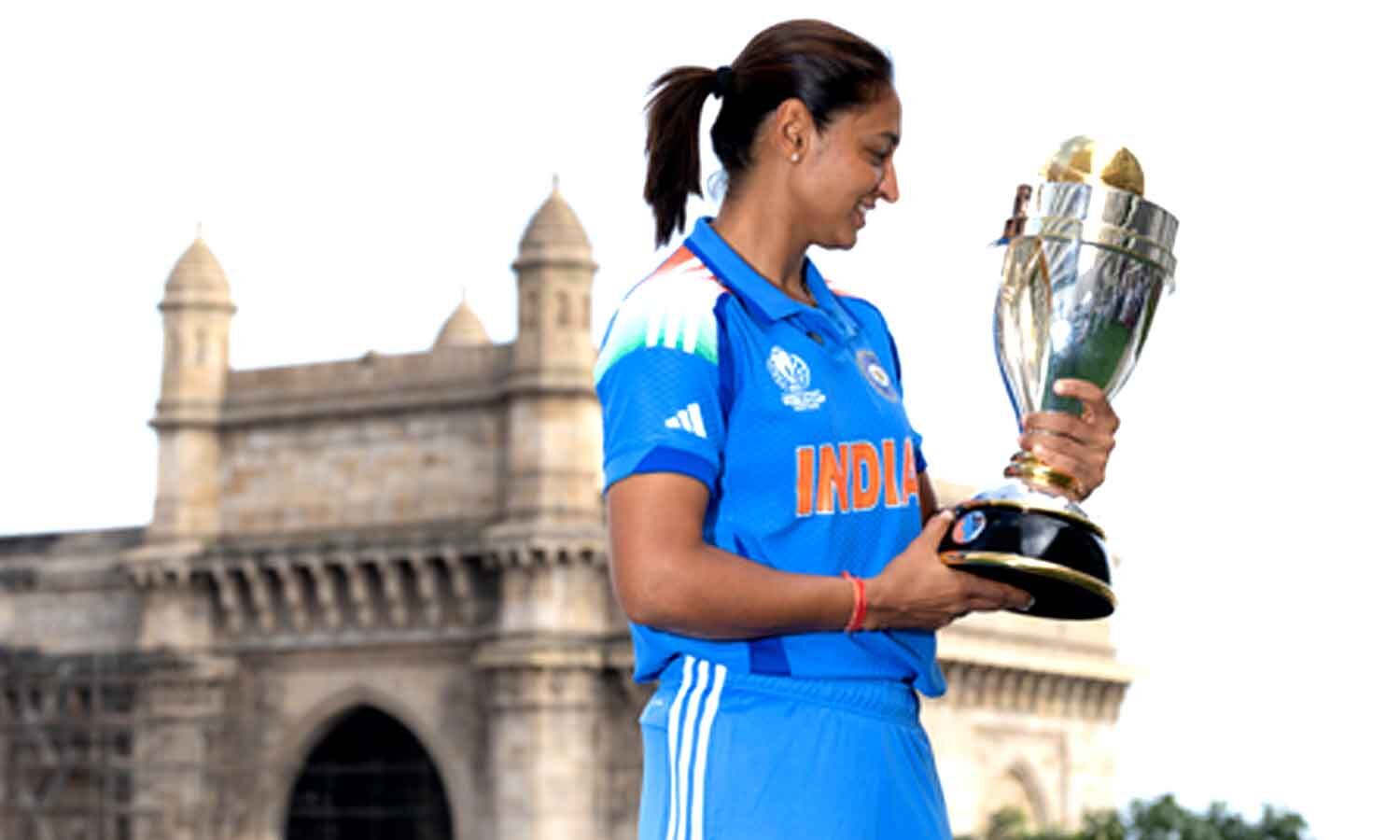
India Replaces Sri Lanka as 2027 Women’s Champions Trophy Host
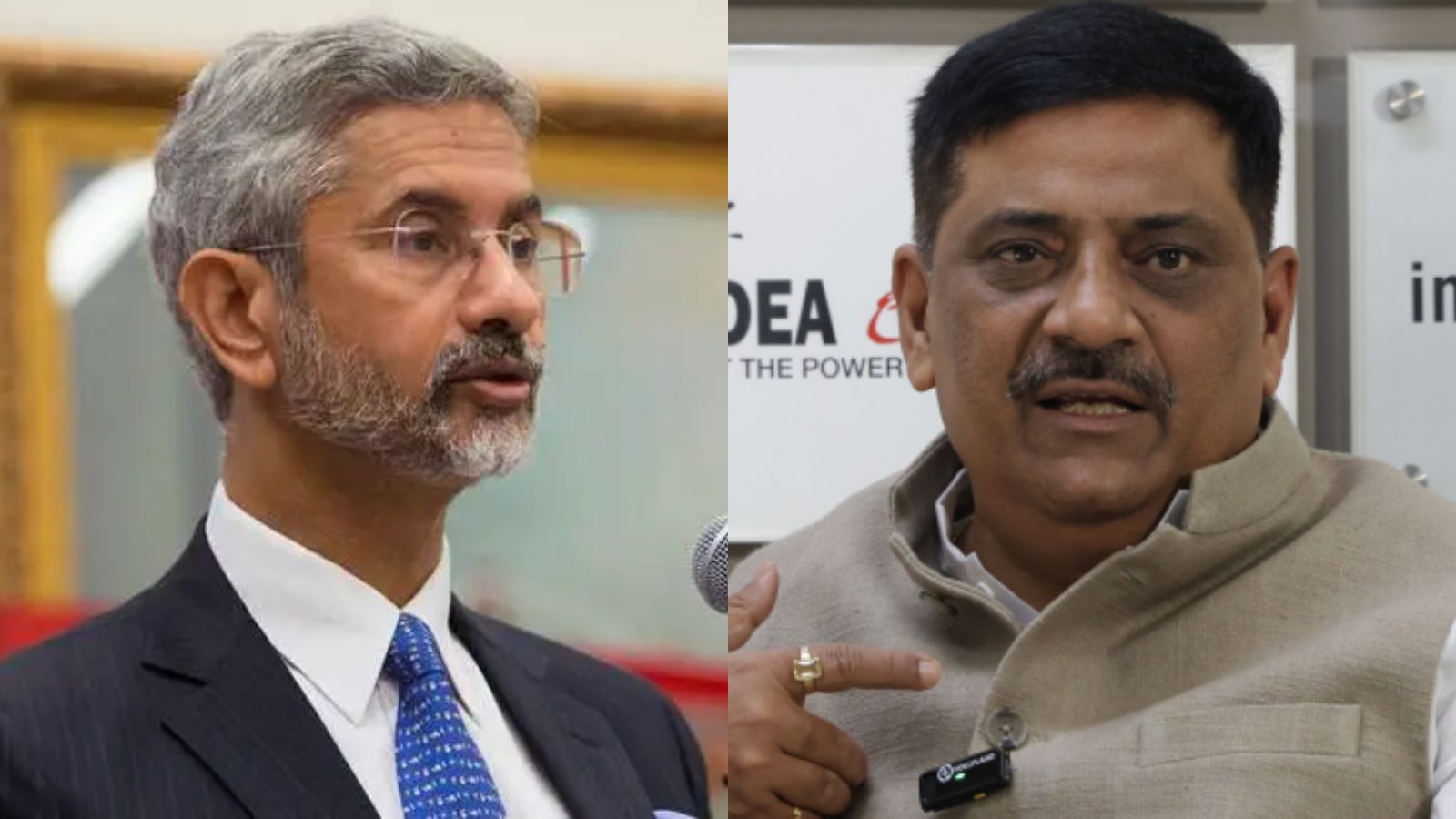
Centre Assures JDU Bihar’s Interests In Farakka Treaty Decision
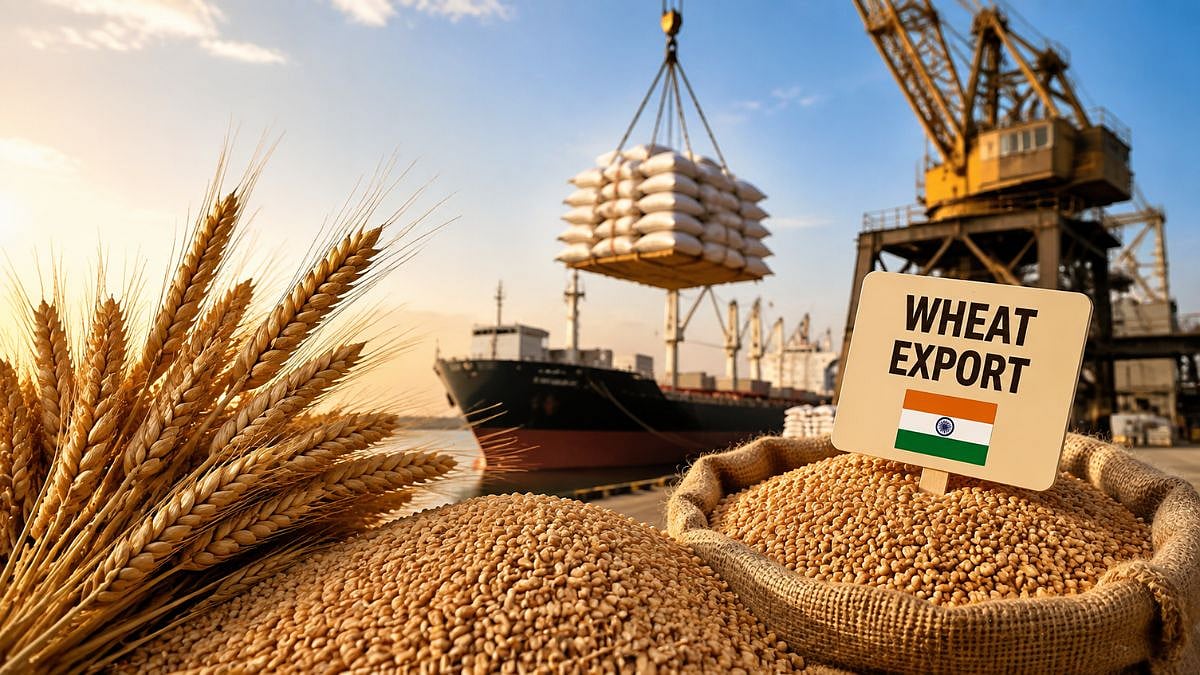
India’s Record Wheat Harvest Opens $1.5 Billion Export Window