3 days ago
West Bengal Seeks Safeguards Before Ganga-Padma Pact Renewal
West Bengal wants India to protect the state’s water needs when its agreement with Bangladesh is renewed.
The agreement controls how water from the Ganga is shared and will expire in December.
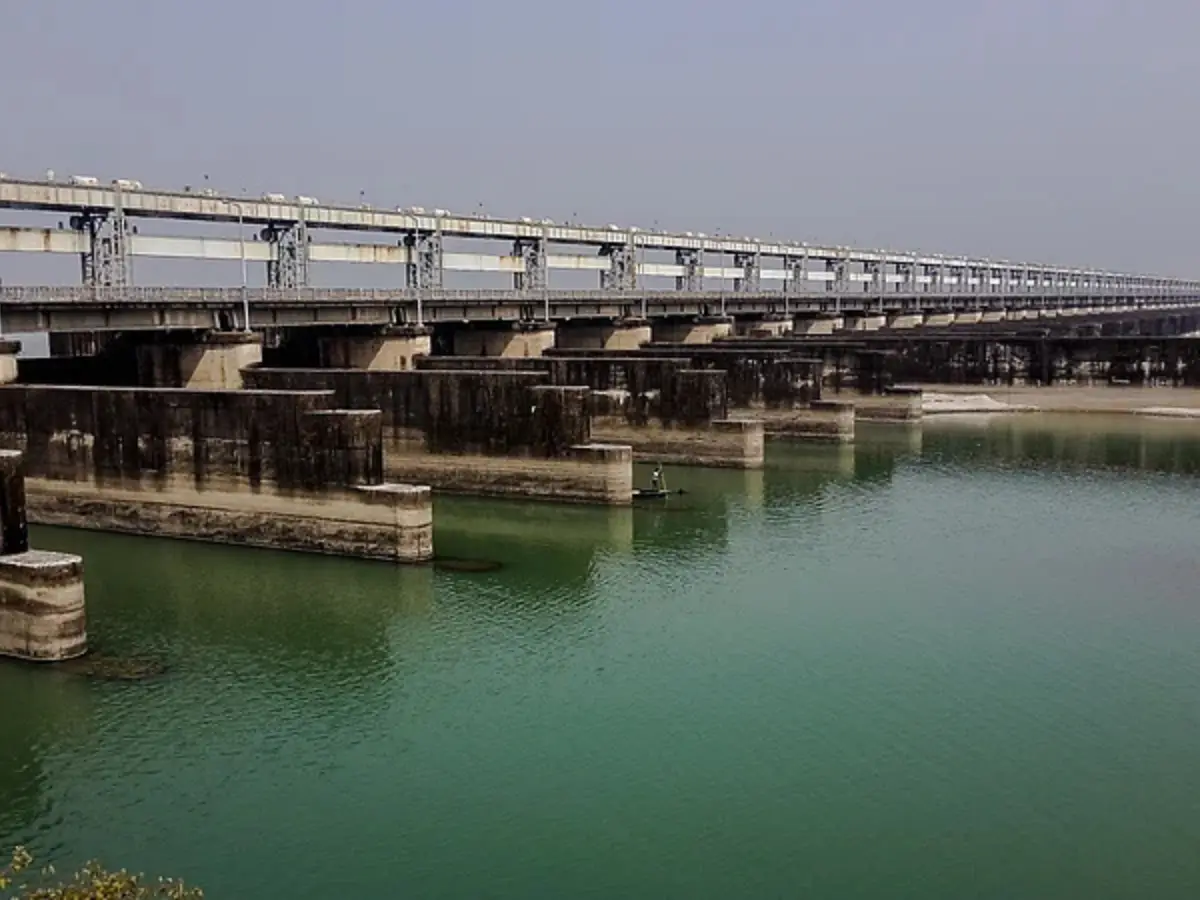
The state says enough water must flow through the Farakka Barrage during the dry season.
This helps the Bhagirathi-Hooghly river system and keeps waterways usable for boats.
Low water and extra silt can also increase flooding and riverbank erosion.
These problems affect districts such as Malda, Murshidabad and Nadia.
Water from the Ganga is used for farming, treated drinking water and some industries.
West Bengal also worries about falling groundwater and arsenic contamination.
It wants environmental risks and its concerns discussed through the Joint Rivers Commission before final decisions are made.

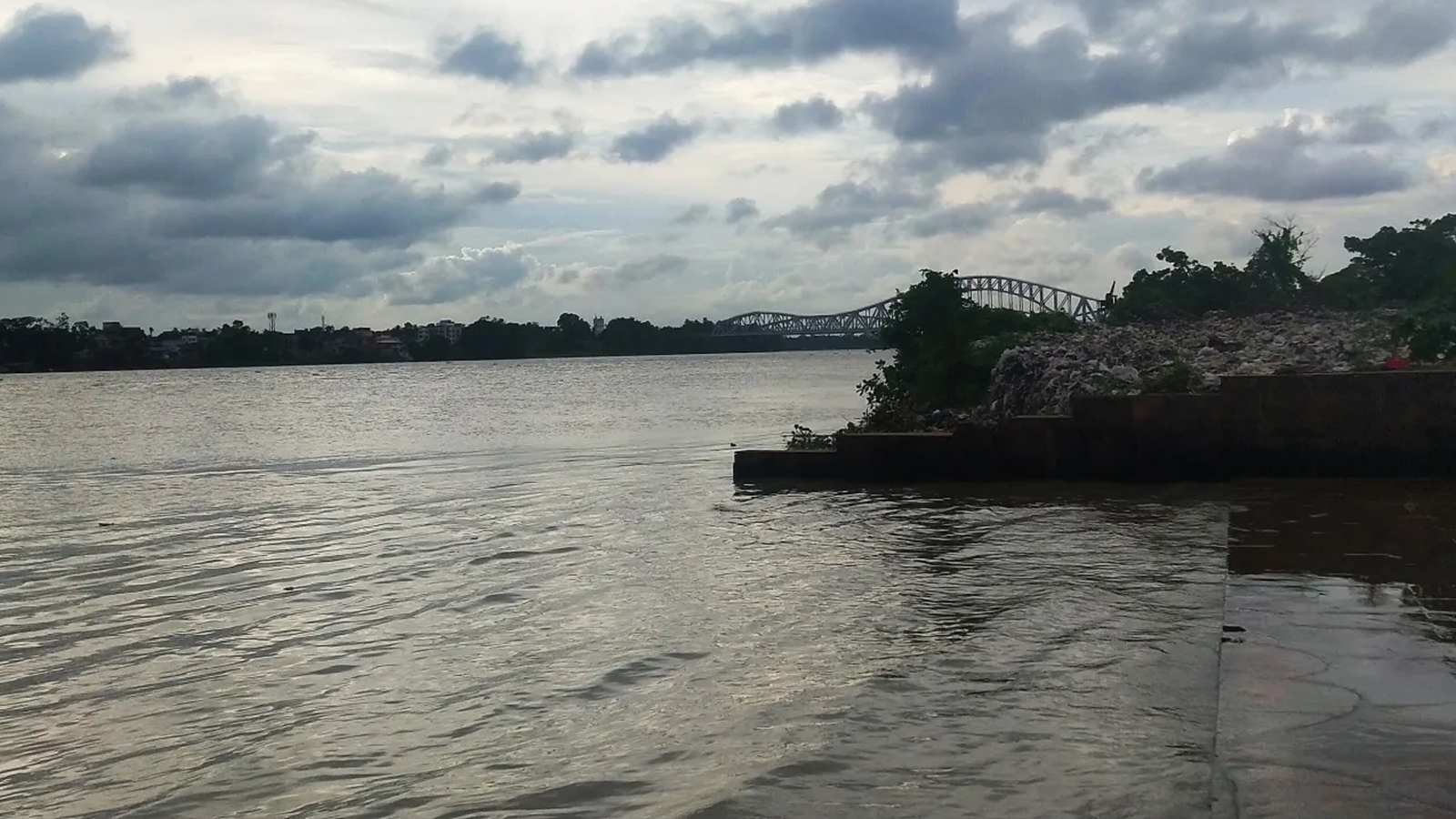
West Bengal has urged the Centre to protect its water, port and industrial interests as the Ganga-Padma agreement with Bangladesh is renewed.
The 30-year agreement, signed in 1996, is set to expire in December this year.
The state wants adequate dry-season water flow through the Farakka Barrage into the Bhagirathi-Hooghly system.
Officials warned that low flow and silt accumulation affect navigation, flooding, erosion and vessel movement at Syama Prasad Mookerjee Port.
West Bengal also cited drinking-water, irrigation, industrial, groundwater and arsenic-contamination concerns, and sought discussions through the India-Bangladesh Joint Rivers Commission.
- Who
- The West Bengal government urged the Union government to protect the state’s interests in talks involving Bangladesh.
- What
- India is preparing to renew the Ganga-Padma water-sharing agreement, while West Bengal seeks safeguards for downstream flow, water supplies, ports and industries.
- Where
- The concerns involve the Ganga, Farakka Barrage, Bhagirathi-Hooghly system, Malda, Murshidabad, Nadia and Syama Prasad Mookerjee Port in Kolkata.
- When
- The agreement is set to expire in December; the state raised its concerns at a recent Union Jal Shakti Ministry committee meeting, with one report dated August 30.
- Why
- West Bengal wants sufficient water for navigation, drinking water, irrigation and industry, while addressing erosion, flooding, silt, groundwater decline and arsenic contamination.
Key facts
- Agreement
- The Ganga-Padma water-sharing agreement was signed in 1996 and is 30 years old.
- Expiry
- The agreement is set to expire in December this year.
- Dry-season priority
- West Bengal wants adequate flow through the Farakka Barrage into the Bhagirathi-Hooghly system.
- Water uses
- Ganga water is used for irrigation, treated drinking water and certain industrial requirements.
- Affected districts
- Malda, Murshidabad and Nadia face recurring severe river erosion and seasonal flooding.
- Port and navigation
- Reduced flow and silt accumulation create navigability problems and affect vessel movement at Syama Prasad Mookerjee Port.
- Additional request
- The state wants administrative-level discussions through the India-Bangladesh Joint Rivers Commission before final treaty decisions.
Quotes
A senior West Bengal government official
State government official explaining the importance of maintaining Farakka flows
“Malda, Murshidabad and Nadia are already vulnerable to erosion and seasonal flooding. If the flow regime is altered without factoring in these districts' ground realities, we could see accelerated land loss and more frequent flood distress in these areas. This is not a hypothetical risk, it is something these districts have lived with for decades.”
 wionews.com
“A treaty of this scale and duration needs to be negotiated with full participation of the state that bears its direct consequences. We have asked that no conclusions be finalised without a thorough round of administrative-level deliberations through the Joint Rivers Commission.”
wionews.com
Sources

Related news
Bangladesh Seeks Guarantee Clause as Ganges Treaty Nears Expiry
Bihar Challenges Farakka Treaty Renewal, Pressuring India’s Central Government
JD(U) MP Urges India to Let Ganga Treaty Lapse
Centre Assures JDU Bihar’s Interests In Farakka Treaty Decision

BJP Ally JDU Red Flags Farakka Water Treaty with Bangladesh

Teesta deadlock tests India-Bangladesh ties as Dhaka seeks China's help

Sharma and Malik share halfway lead at Telangana Golconda Masters

India Replaces Sri Lanka as 2027 Women’s Champions Trophy Host
India’s Record Wheat Harvest Opens $1.5 Billion Export Window
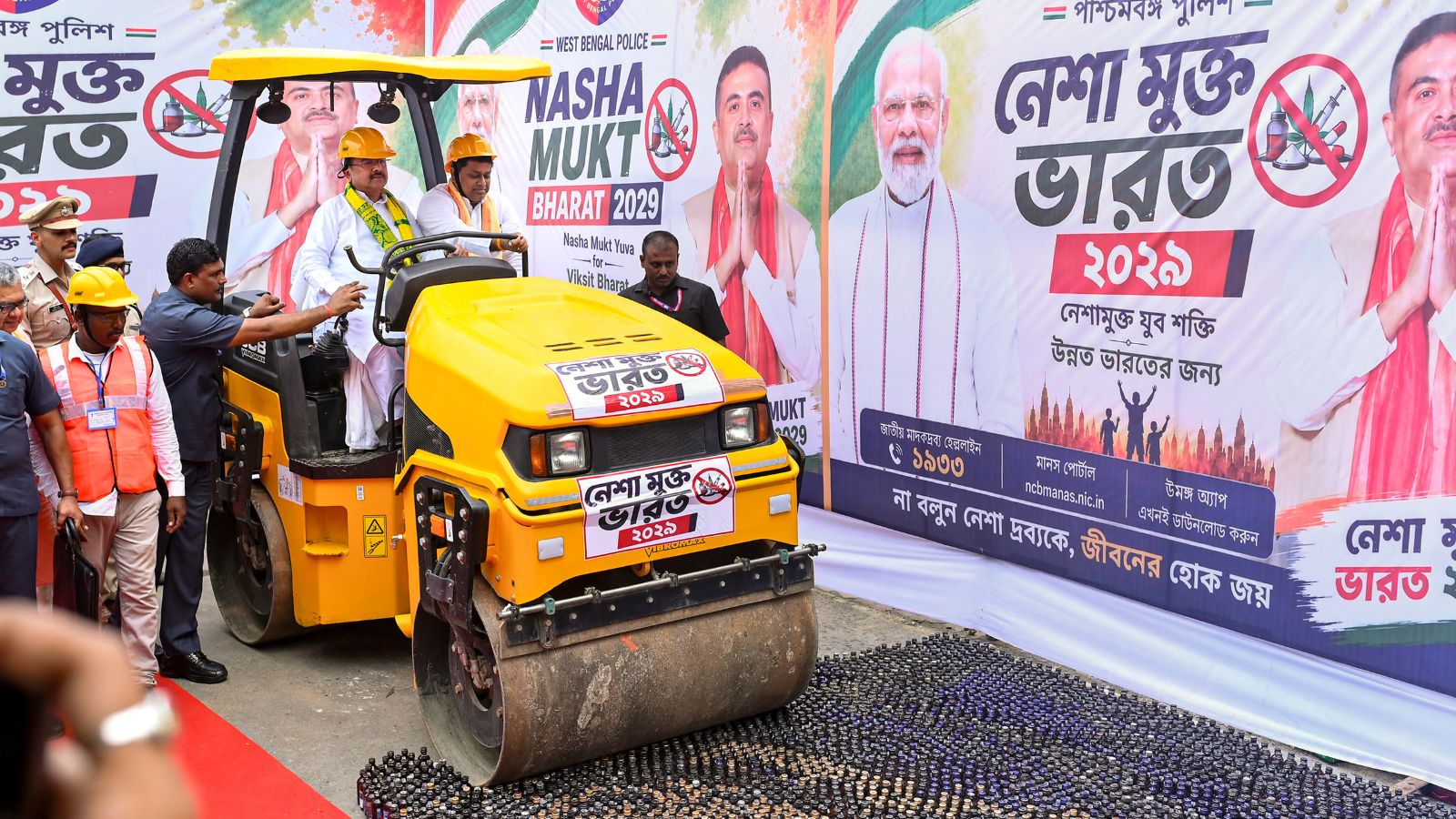
West Bengal CM Crushes Nearly 2 Lakh Seized Syrup Bottles