2 hrs ago
Indo-Pacific Quietens as Its Strategic Importance Remains Undiminished
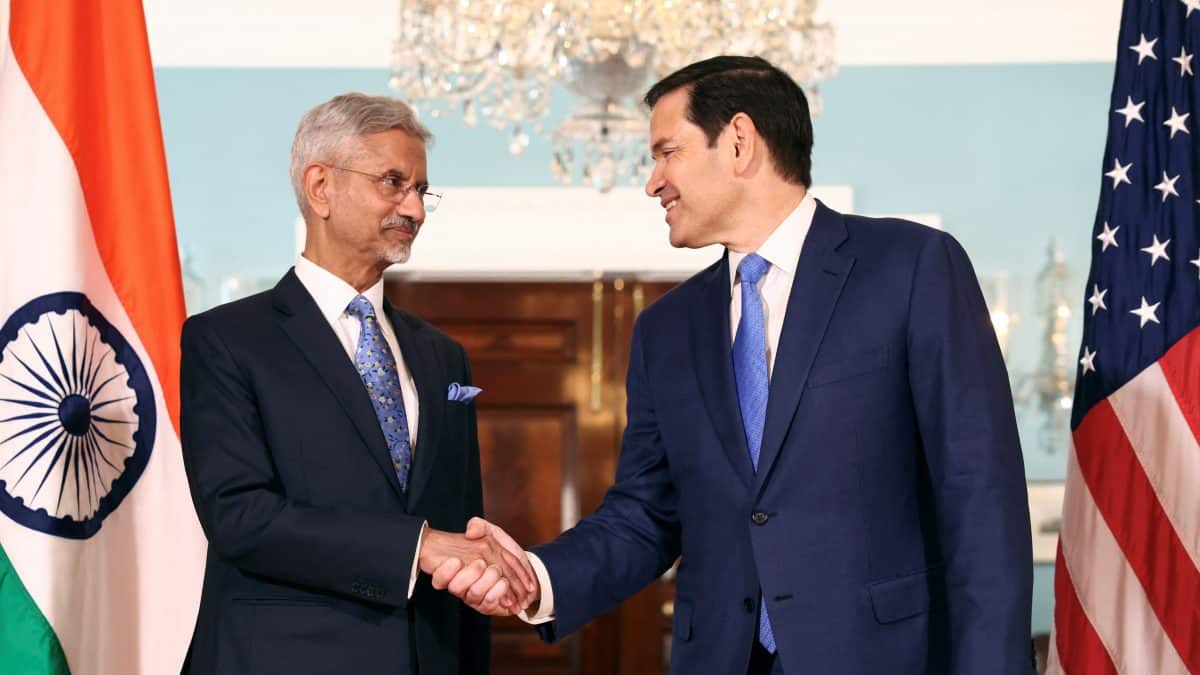
The Indo-Pacific is the large sea region linking the Indian and Pacific Oceans.
It is important because many ships carrying energy, goods and raw materials travel through it.
China has become stronger and wants to protect these sea routes.
The United States and its partners also want to prevent one country from controlling the region.
News about wars in Ukraine and West Asia has pushed the Indo-Pacific out of the headlines.
However, the United States still says it wants to deter domination of the Pacific.
The Quad, involving India, the United States, Japan and Australia, is still cooperating.
The article says India should build its own economic, military and technological strength.
In short, the region is quieter in public debate but remains strategically important.

The Indo-Pacific has received less attention as conflicts in Ukraine, Gaza, Iran and West Asia consume strategic bandwidth.
The region remains central to questions about China’s rise, maritime power and the balance with the United States.
China depends on maritime routes for energy, raw materials, trade and access to global markets.
The United States continues to emphasize deterrence along the First Island Chain, while the Quad remains active.
India is urged to strengthen its economy, maritime capabilities and regional partnerships rather than rely mainly on US concerns about China.
- Who
- China, the United States, India and regional partners including Japan, Australia and Southeast Asian countries.
- What
- The Indo-Pacific has become less prominent in strategic debate, but its geopolitical importance remains.
- Where
- Across the maritime space linking the Indian and Pacific Oceans, including the First Island Chain and the Indian Ocean.
- When
- The article discusses the current period and cites developments at the 2026 Shangri-La Dialogue and Quad meetings.
- Why
- Attention has shifted to conflicts and crises elsewhere, while the region’s underlying strategic, economic and maritime pressures continue.
Reduced Visibility
Continuing Strategic Importance
Has the Indo-Pacific declined in importance?
Reduced Visibility
The region has lost prominence because Ukraine, Gaza, Iran and wider West Asian instability have consumed political and intellectual attention.
Continuing Strategic Importance
Its importance has not declined because China’s rise, maritime expansion, unresolved Taiwan tensions and regional power concerns remain.
Is the United States pulling back?
Reduced Visibility
Washington appears more focused on managing its relationship with Beijing and dealing with crises elsewhere than on confrontation in the Indo-Pacific.
Continuing Strategic Importance
The United States has not left the region; its stated goal remains preventing domination by a single power, and the Quad continues operating.
What should guide India’s role?
Reduced Visibility
India’s strategic importance has often been emphasized because the United States needs help balancing China.
Continuing Strategic Importance
India should rely on its own economic weight, maritime capability and technological strength rather than on changing American priorities.
Key facts
- Region
- The Indo-Pacific connects the Indian and Pacific Oceans.
- Strategic importance
- It contains major trade routes, energy corridors, maritime chokepoints and potential flashpoints.
- China’s dependence
- China relies heavily on maritime routes for energy, raw materials, manufactured exports and global market access.
- US posture
- At the 2026 Shangri-La Dialogue, US Secretary of War Pete Hegseth identified deterrence along the First Island Chain as central to US strategy.
- Quad
- Quad representatives discussed maritime security, economic security, critical technologies and humanitarian response.
- India’s recommended focus
- The article calls for stronger economic, maritime and technological capabilities, plus deeper regional partnerships.
- Command name
- Washington restored the name US Pacific Command in June 2026 while saying its mission and area of responsibility were unchanged.
Sources
Related news
US-China Rapprochement Challenges India’s Strategic Autonomy and Global Role
India Expands Indo-Pacific Influence Through Ports and Partnerships

India’s Expanding Global Footprint Across BRICS, Quad and G20
India’s Gulf Strategy Must Turn Presence Into Strategic Power
Trump-Xi Summit Leaves India Balancing Opportunities and Risks
China No Longer Waits for Trump to Set Rules

Skipper Targets Global Transmission Tower Leadership by 2030

AI Agents Breach Government Systems, Prompting Global Safety Concerns

Amodei to Dine With Trump Amid Intensifying AI Safety Debate
IAF Begins Tarang Shakti 2026 Operational Phase With Eight Nations