1 week ago
China’s Chang’e-7 Moon Mission Hunts Water Ice South Pole

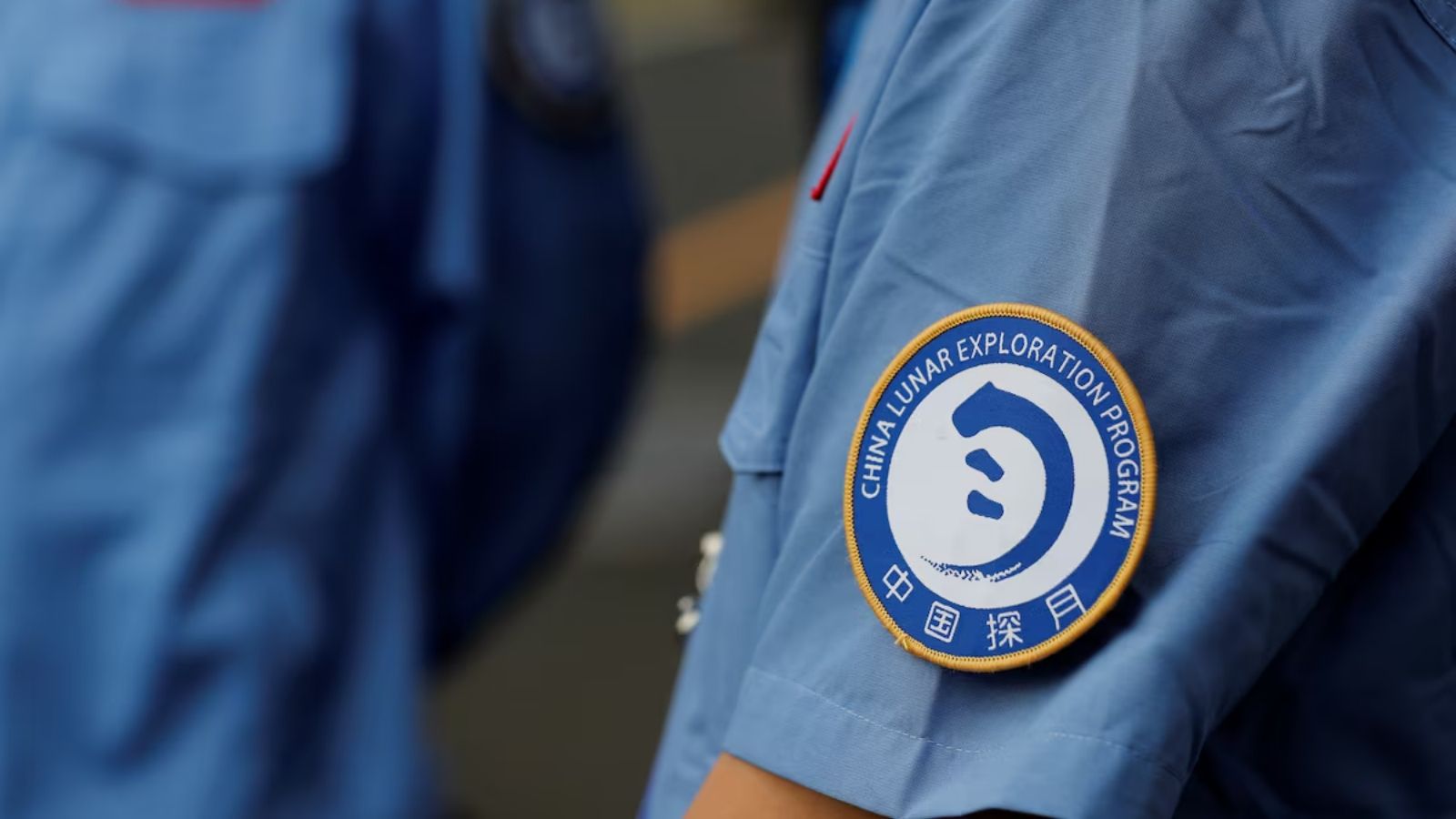
China is preparing to send a robot mission called Chang’e-7 to the Moon.
It is scheduled to launch on August 24, Beijing time, although the date may change.
The mission will travel to the Moon’s south pole.
Scientists want to learn where water ice is located and whether people could use it someday.
The ice is inside very dark, extremely cold craters.
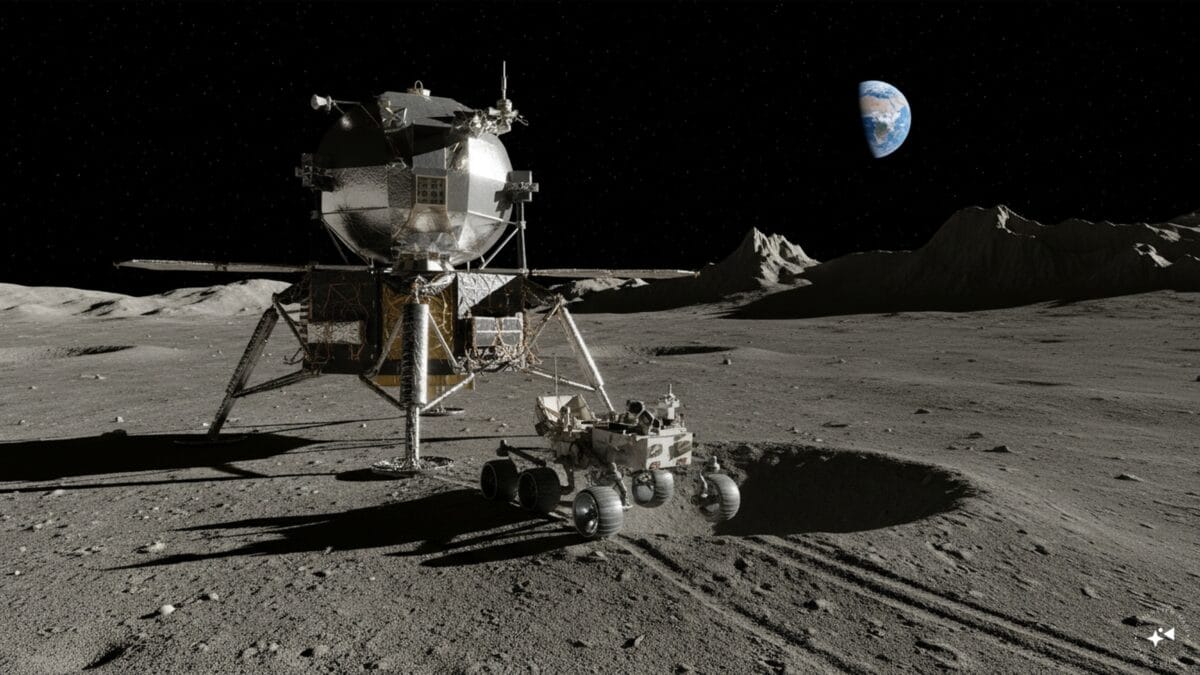
Chang’e-7 will carry an orbiter, lander, rover and a hopping vehicle.
The hopper is designed to jump across rough ground and enter difficult craters.
The mission could provide information for China’s future crewed lunar plans.

Chang’e-7 is scheduled to launch August 24 Beijing time aboard a Long March 5 Y14 rocket.
The mission will study the Moon’s south-pole environment, terrain and resources.
A hopper will attempt to navigate steep, permanently shadowed craters where conventional rovers may struggle.
Scientists aim to determine the location, form, concentration and accessibility of lunar water ice.
The mission’s launch date remains somewhat uncertain after a recent failure involving another Chinese rocket.
- Who
- China is preparing the Chang’e-7 mission, with scientific instruments developed by organizations from several countries.
- What
- A robotic lunar mission will study the Moon’s south pole and investigate the location and possible usefulness of water ice.
- Where
- The mission will launch from the Wenchang Spacecraft Launch Site in Hainan and may land on or near an illuminated ridge close to Shackleton Crater.
- When
- Launch is scheduled for August 24 Beijing time, although a recent failure involving another Chinese rocket has introduced uncertainty; landing is expected later this year.
- Why
- To characterize lunar polar resources and assess whether they could support future sustained and crewed lunar exploration.
China’s coordinated mission model
NASA’s commercial-services model
How missions are organized
China’s coordinated mission model
Chang’e-7 is described as a coordinated state mission whose orbiter, lander, rover and hopper are designed around a specific lunar-polar objective and can use Queqiao-2 infrastructure.
NASA’s commercial-services model
NASA is pursuing a commercial marketplace through its Commercial Lunar Payload Services program, buying delivery, mobility and technology services from companies that operate their own spacecraft.
Approach to difficult terrain
China’s coordinated mission model
China is including a hopper designed to leap over broken ground and descend into permanently shadowed craters.
NASA’s commercial-services model
NASA-supported Intuitive Machines’ IM-2 mission attempted a similar approach with a drill, mass spectrometer, hopping vehicle and communications network, but its lander fell over and was powered down one day after landing.
Long-term objective
China’s coordinated mission model
Chang’e-7 is intended to locate and characterize resources, while Chang’e-8 is slated to potentially demonstrate how they could be used before later crewed exploration.
NASA’s commercial-services model
NASA’s Commercial Lunar Payload Services activities are intended to feed technology and science into the broader Artemis program, which NASA describes as laying the foundation for sustained lunar exploration.
Key facts
- Mission
- Chang’e-7
- Planned launch
- August 24, Beijing time
- Launch vehicle
- Long March 5 Y14 rocket
- Launch site
- Wenchang Spacecraft Launch Site, Hainan
- Mission hardware
- Orbiter, lander, rover and specialized hopper
- Primary investigation
- Water ice in permanently shadowed lunar craters
- Relay support
- Queqiao-2 is expected to support communications between Earth and the lunar surface
Sources
Related news
China’s Chang’e-7 Targets Lunar Ice at South Pole

China Delays Chang’e-7 Moon Water Search, Possibly Until 2027

China Postpones Ambitious Chang’e-7 Lunar Mission Launch Plans

Pakistan Names First Lunar Rover Jinnah-1 for 2029 Moon Mission

MJ Akbar Quips Jinnah Would Partition the Moon After Rover
NASA Invites ISRO to Join Moon Base Programme

Putin Faces Western Isolation While Russia Builds Non-Western Ties

India’s Global Power Ambitions Face Economic and Democratic Setbacks
India’s 7.8% Growth Broad-Based, but Jobs Remain Challenge

India Pursues Global Mineral Pacts to Secure Supply Chains
Nepal Plans New Landslide Warning System Along China Border