3 weeks ago
Professor turns subtitles into literacy tool for millions

A long time ago, a student named Brij Kothari was watching Spanish movies in America and wished he could read the words he was hearing.
He thought that reading and listening together could help people learn to read better.
He brought this idea, called Same Language Subtitling, to India, where shows get subtitles in the same language people speak.
First, television companies said no because they thought subtitles would distract viewers.
So Kothari did experiments, and children who watched subtitled shows learned to read faster.
In 2002, his idea won a big prize of 250,000 dollars, which gave it lots of attention.
Now, more than 110 television programmes in India show these subtitles, reaching about 160 million people.
The government made a rule that many shows should have same-language subtitles, and now movies must include them too.
This way, millions of people can practise reading while simply watching their favourite shows.

Brij Kothari conceived Same Language Subtitling (SLS) in 1996 while pursuing his PhD at Cornell University and watching Spanish films.
In 2002, the project won the World Bank Development Marketplace's top prize of $250,000 from Co-Impact.
A 2019 national policy recommends that 50% of television entertainment programming carry same-language subtitles, though fewer than 5% of eligible programmes currently comply.
Around 110 television programmes now carry SLS, reaching an estimated 160 million viewers in India.
Since March 2026, films seeking Central Board of Film Certification must include same-language subtitle files; 'Pathan' was the first movie required to have both audio description and SLS.
- Who
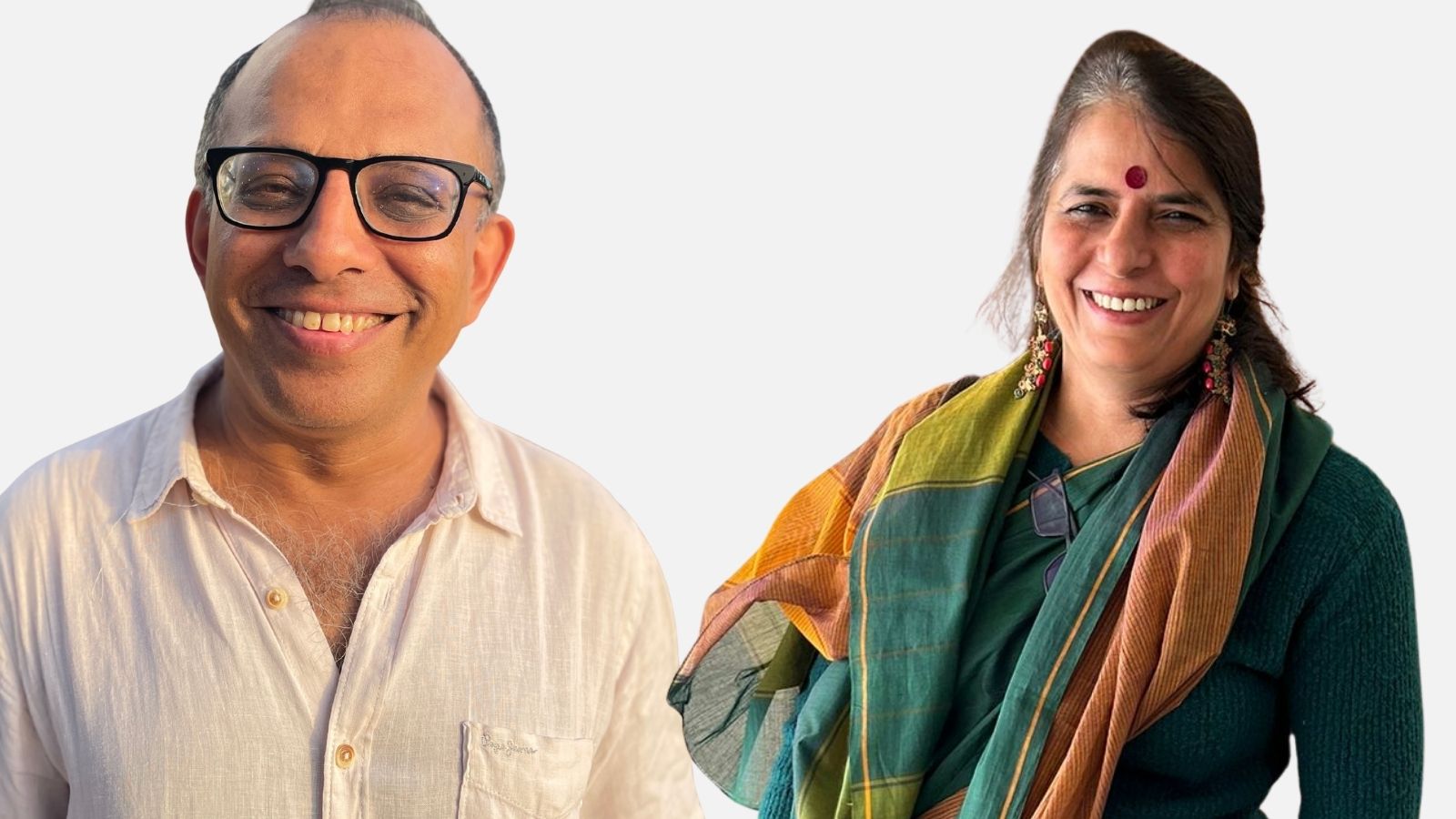
- Brij Kothari, who leads the Billion Readers (BIRD) initiative and the non-profit PlanetRead, and is an adjunct professor at IIT Delhi.
- What
- A nationwide movement making same-language subtitling a literacy tool and a requirement in Indian broadcasting and film policy.
- Where
- India.
- When
- Idea conceived in 1996; prize in 2002; national policy in 2019; implementation rolling out in 2025; CBFC mandate from March 2026.
- Why
- To improve reading skills by letting viewers read and listen in the same language at the same time, turning everyday entertainment into reading practice.
Proponents of Same Language Subtitling
Skeptics of Subtitling
Subtitles as distraction
Proponents of Same Language Subtitling
Research showed viewers preferred subtitled versions and that children exposed to subtitled content consistently developed reading skills faster.
Skeptics of Subtitling
Television broadcasters argued subtitles would distract viewers and that weak readers would not read them anyway.
Responsibility for literacy
Proponents of Same Language Subtitling
Kothari and his team pushed to adopt subtitling as a literacy intervention, backed by scientific evidence and policy advocacy.
Skeptics of Subtitling
Education department officials believed subtitling had nothing to do with literacy and that television should handle it.
Key facts
- Founder
- Brij Kothari
- Initiative
- Same Language Subtitling (SLS), led by BIRD - Billion Readers
- Origin
- 1996 PhD study at Cornell University, United States
- Top prize
- $250,000 from Co-Impact via World Bank Development Marketplace (2002)
- TV programmes with SLS
- Around 110, reaching about 160 million viewers
- Policy target
- 50% of TV entertainment programming; fewer than 5% currently comply
- Film mandate
- All CBFC-certified films must submit same-language subtitle files from March 2026
- First film with SLS and audio description
- Pathan, starring Shah Rukh Khan
Quotes
Brij Kothari
Adjunct Professor, School of Public Policy, IIT Delhi, and founder of the Billion Readers initiative.
“I thought, if listening and reading happen together, reading skills would improve. Then I asked myself: why not Hindi on Hindi, Tamil on Tamil and every Indian language on itself.”
 livemint.com
“We don't tell people what to watch. We simply make what they already watch an opportunity to read.”
livemint.com
Sources
Related news

Independent Streamers Help Drive Formula One’s Boom in India

Netflix Expands South Indian Film Slate With Weekly Releases
India’s KEPA Textbooks Combine Audio, Braille and Sign Language
Netflix turns 10 in India: Sarandos, Modi announce skilling initiative

Ted Sarandos: Netflix India should've debuted with Lock Upp