5 days ago
Why Literary Translators Still Matter in India’s AI Age
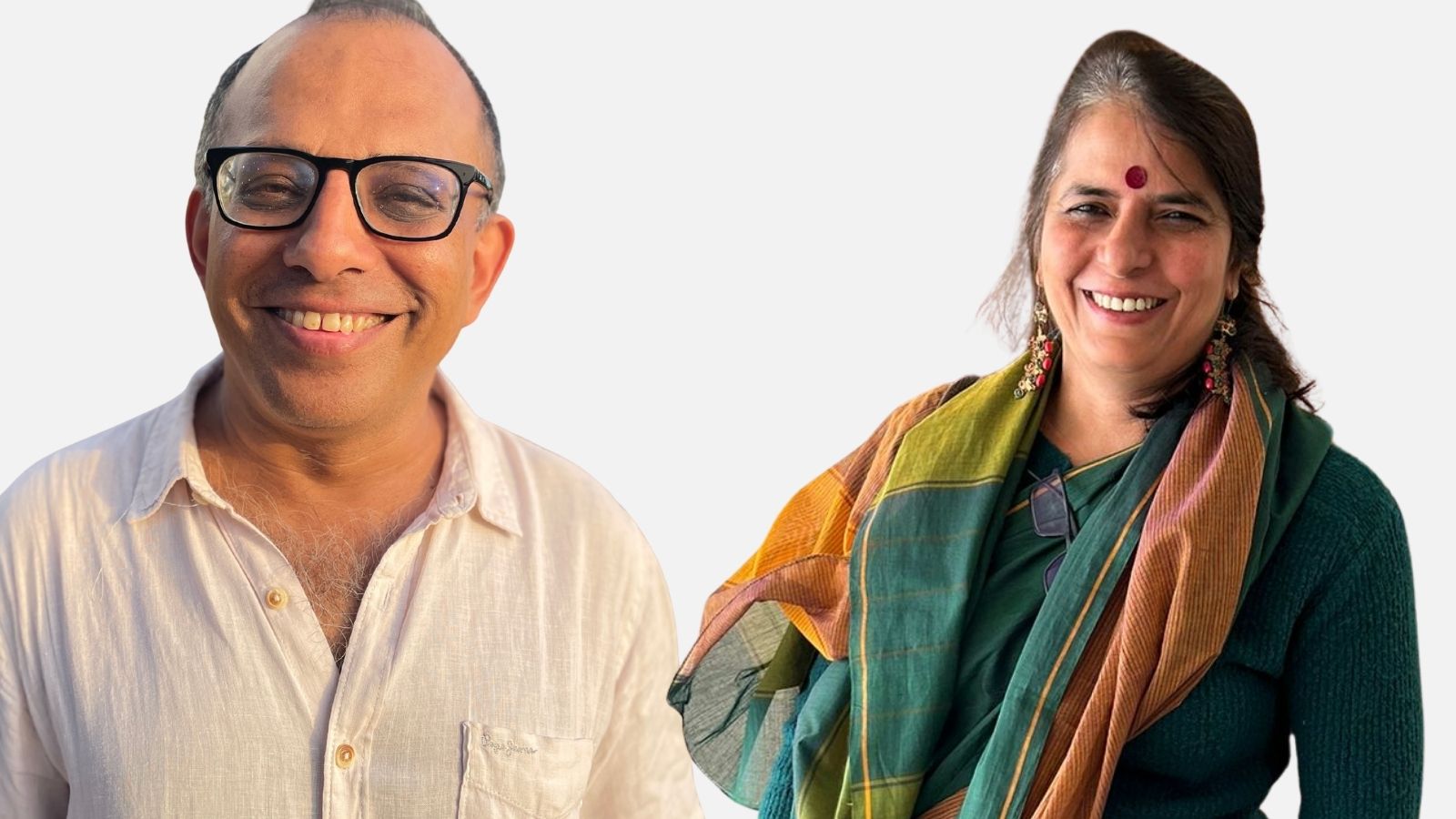
Rita Kothari and Arunava Sinha study how books move from one language to another.
They say computers can help translators, but computers do not always understand deep meanings, culture or unusual writing.
AI can also make serious mistakes, especially when it has not seen enough examples from Indian languages.
The scholars believe India is producing and reading more translations than before.
However, people need better ways to connect books from different Indian regions.
Many Indian-language translations go through English or Hindi because fewer people now know two non-English Indian languages well.
They also say languages should not be forced on people through unfair rules.
Schools and institutions could help people learn languages with curiosity and respect.

Rita Kothari and Arunava Sinha say human literary translators remain essential because literature depends on nuance and context.
They say AI translation can be competitive but remains risky, with insufficient training data for many Indian-language translations.
Kothari describes India as experiencing the “heydays of translation,” but says stronger connections between translated works are needed.
Sinha says translation between Indian languages often uses English or Hindi because there are too few biliterate translators.
Both scholars oppose coercive language mandates and support multilingualism through better attitudes, institutions and education.
- Who
- Professors Rita Kothari and Arunava Sinha, co-directors of Bhashavaad 3.0 at Ashoka University’s Centre for Translation.
- What
- They discussed whether AI could make literary translators redundant and addressed the future of Indian languages and translation.
- Where
- Ashoka University’s Centre for Translation.
- When
- Ahead of the two-day Bhashavaad 3.0 conference.
- Why
- The discussion examines AI’s limits in literary work and the challenges of sustaining connections among India’s languages.
Human-led translation
AI-assisted translation
Can AI replace literary translators?
Human-led translation
Kothari and Sinha say literary translation requires human understanding of layered writing, context, nuance and meaning.
AI-assisted translation
AI can be competitive and useful for research, but its mechanical, prediction-based process can produce serious errors in literary work.
How should languages be learned?
Human-led translation
Kothari and Sinha favor multilingual learning and believe education can expose students to unfamiliar languages.
AI-assisted translation
They caution that mandatory programs can become coercive or reduced to boxes to be checked rather than genuine language engagement.
Who should bear responsibility for language survival?
Human-led translation
Kothari says communities and families have a responsibility to use ancestral languages and sustain their linguistic ecology.
AI-assisted translation
The scholars argue that state coercion, especially targeting taxi drivers and daily-wage workers, is unfair and can turn language into a tool for exclusion.
Key facts
- Conference
- Bhashavaad 3.0 is a two-day national translation conference.
- Opening question
- The conference is slated to open with “Are Translators Redundant?”
- AI risk
- Kothari says AI can produce unexpected and serious translation errors.
- Data gap
- The scholars say there are not enough texts for AI systems to learn translations among Indian languages and English.
- Translation trends
- Kothari describes the current period as the “heydays of translation” in India.
- Bridge languages
- Much translation between Indian languages currently occurs through English or Hindi.
- Language policy
- The scholars criticize coercive language requirements while supporting respectful multilingual learning.
Quotes
Arunava Sinha
Professor and co-director of Ashoka University’s Centre for Translation
“Good literature is extremely layered. It asks its translators to enter into the skin of a language, into the nuances of the words, into very deep contextualisation.”
 indianexpress.com
“If somebody coerces me to learn a language, I will not like that very much. I may not take kindly to coercion.”
indianexpress.com
Sources
Related news
Why AI Still Cannot Completely Replace Human Translators
India and Nepal Advance Inclusive Multilingual Language AI Collaboration
India’s AI Race Gains Momentum, But Jobs Remain Uncertain
AI is flooding online book market with poor translations
Translator Augusto Pinto: written language belief harming Konkani movement