

4 days ago
Nankhatai’s Long Journey from Surat to Kolkata Bakeries
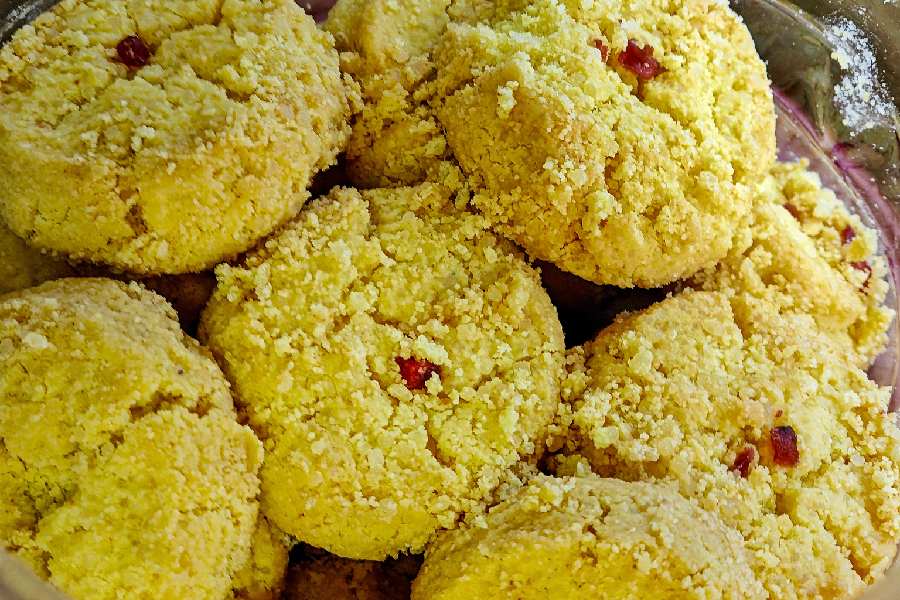
Nankhatai is a crumbly biscuit that people often eat with tea.
Its story began in Surat and travelled through different parts of eastern India.
Food historian Pritha Sen says master bakers from north India took it to Dhaka during the Mughal period.
Before that, Parsi baker Faramji Pestonji Dotivala changed the recipe by adding sooji and besan.
The biscuit was originally egg-based, but customers did not like that version.
As it reached Bengal, more sugar was added, probably to suit local tastes.
Its baking method also changed from brick ovens to tandoors and clay ovens.
Today, Kolkata’s version is one of several regional forms of the biscuit.

Nankhatai is a crumbly biscuit served as a popular Kolkata tea-time treat.
Food historian Pritha Sen traces its route from Surat through Dhaka and Murshidabad to Kolkata.
Parsi baker Faramji Pestonji Dotivala reportedly adapted an earlier egg-based biscuit by adding sooji and besan.
The biscuit’s sweetness, ingredients and baking methods changed as it moved across regions.
Kolkata’s nankhatai is available in markets including Colootola, New Market, Entally and Kidderpore.
- Who
- Food historian Pritha Sen discusses nankhatai’s history; Parsi baker Faramji Pestonji Dotivala is credited with an important recipe adaptation.
- What
- Nankhatai developed and changed as it travelled across Surat, Dhaka, Murshidabad and Kolkata.
- Where
- The biscuit is associated with Surat, Dhaka, Murshidabad and Kolkata, and is sold in several Kolkata markets.
- When
- Its route includes the Mughal period, while its Surat history is linked to a Dutch bakery established toward the end of the 16th century.
- Why
- It changed because bakers adapted its ingredients, sweetness and baking methods to local preferences and conditions.
Key facts
- Biscuit type
- A crumbly, sweet biscuit often eaten with tea.
- Historical route
- Surat to Dhaka, then Murshidabad, Calcutta and Kolkata.
- Recipe adaptation
- Faramji Pestonji Dotivala reportedly introduced sooji and besan.
- Earlier version
- The original biscuit was egg-based and linked to Dutch baking traditions.
- Regional sweetness
- Sugar was reportedly increased in Bengal, most likely in Calcutta.
- Baking methods
- Methods included brick ovens in Surat, tandoors in Bengal and clay ovens set in the ground in Dhaka.
- Kolkata availability
- Local versions can be found in Colootola market, New Market, Entally market and some Kidderpore shops.
Quotes
Pritha Sen
Food historian who traced nankhatai’s historical movement across eastern India
“My grandmother would get big Dalda tins of them from old Delhi bakers when we would go for the summer holidays. I always wondered as a child how a biscuit could taste salty and sweet.”
 telegraphindia.com
“The nankhatai travelled to Dhaka along with master bakers from north India during the Mughal period.”
telegraphindia.com
Sources
Related news
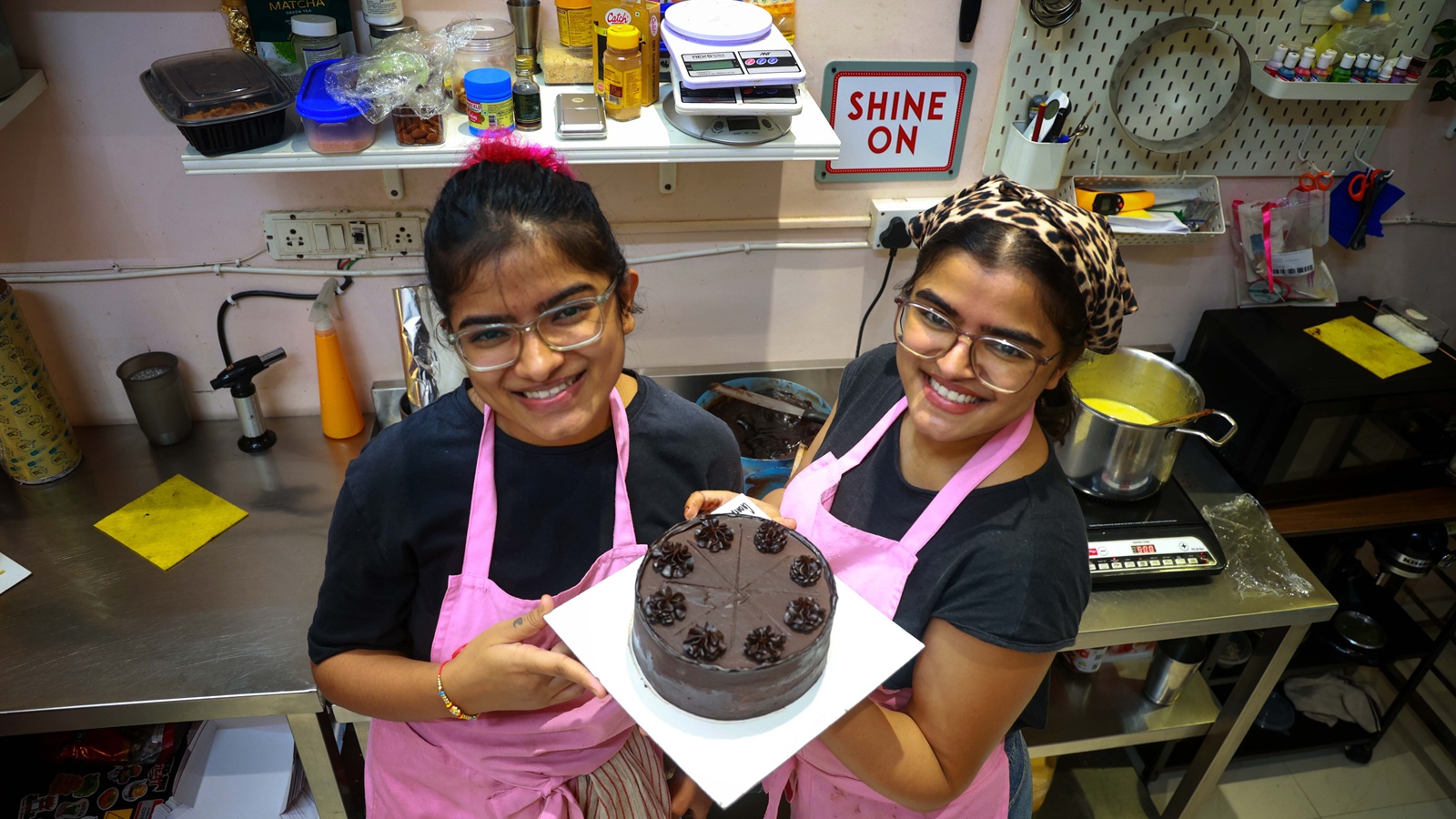
Twin Sisters Turn Kharghar Bakehouse Into Dessert Destination
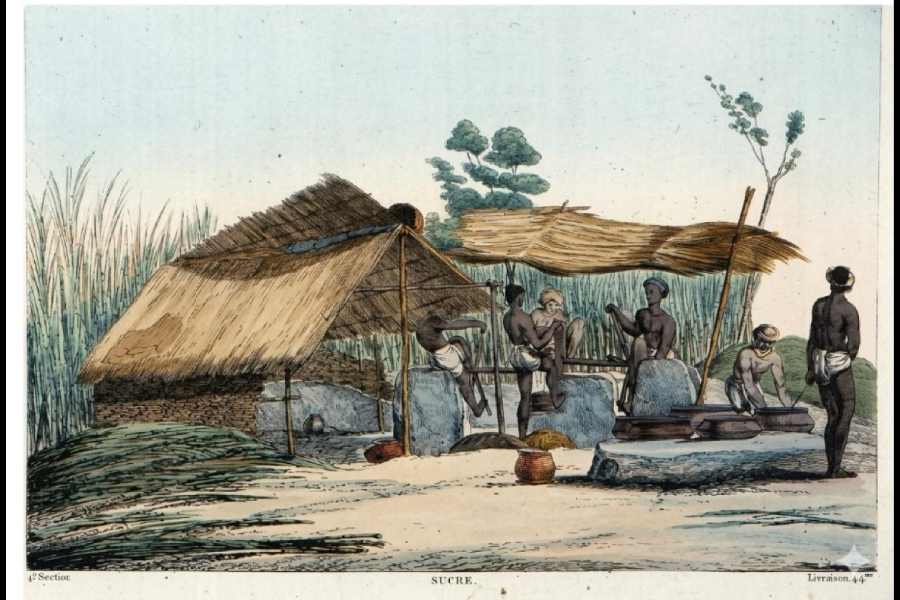
Sukchar’s Sugar Legacy Endures as Bengal’s Industry Fades
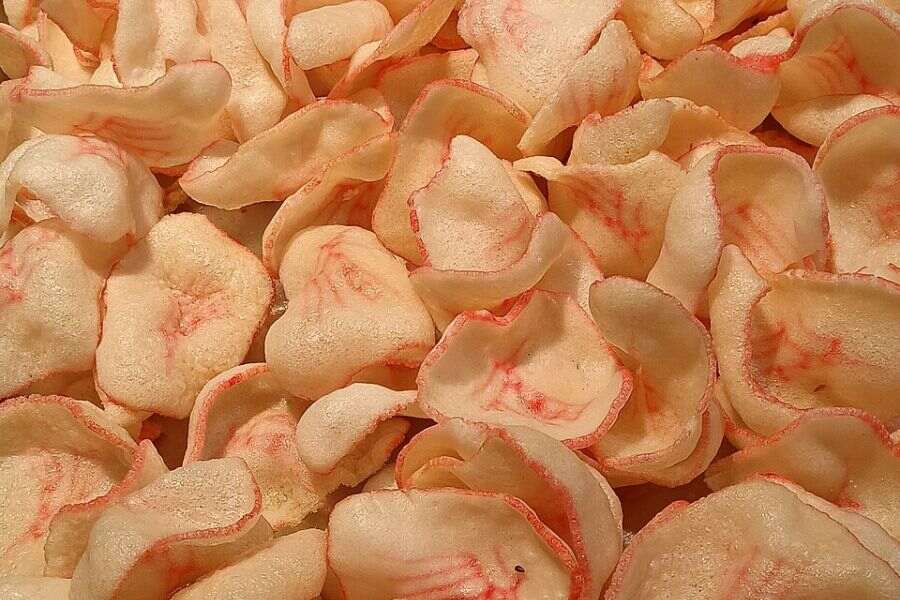
Why prawn crackers still rule Kolkata's Chinese restaurants and bars
For Calcutta, Potato Clinches It: Four Biryani Styles on Display
Partition's Fractured Borders Rewrote the Subcontinent's Recipe Book

Bengal Warns Vacant-Plot Owners Amid Rising Dengue Concerns
Girl Dies at Farakka Hostel as Murder, Suicide Claims Clash
TMC Councillors Vote Out Dhuliyan Municipality Chairman Over Alleged Failures

West Bengal Reports Fewer Dengue Cases, But Monsoon Risks Remain

West Bengal Names Five Dengue Hotspots Amid Intensifying Monsoon
