1 week ago
Pakistan Army Chief Meets Iran President Amid Mediation Effort
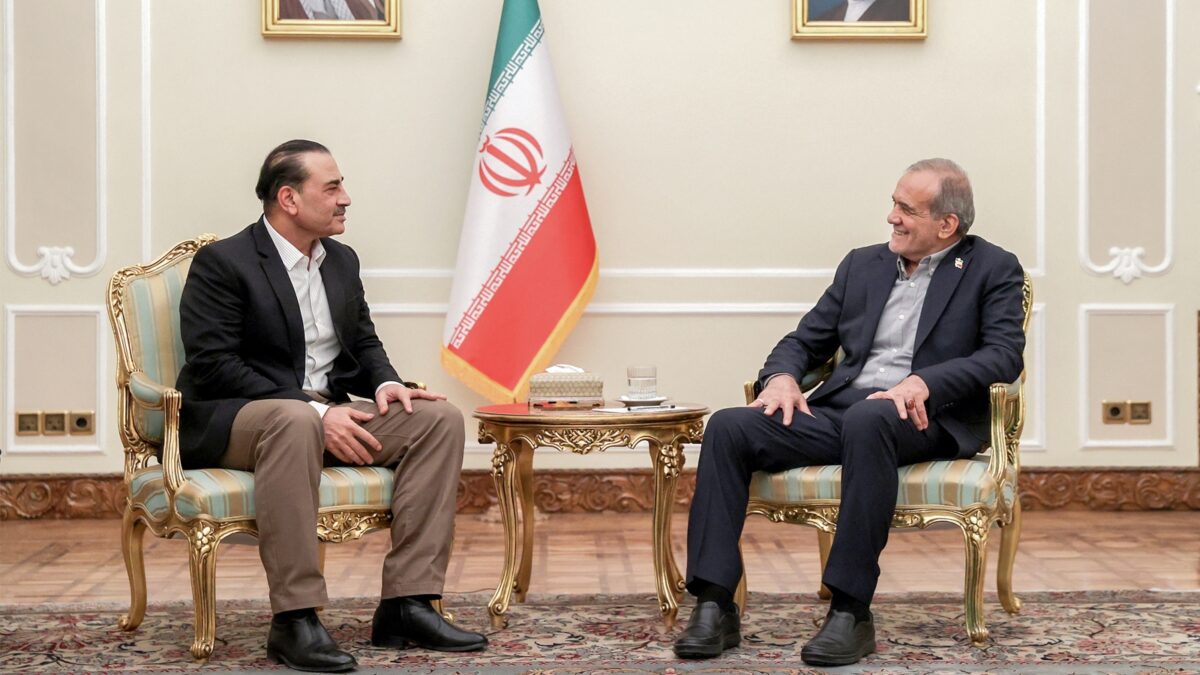
Pakistan’s army chief visited Iran to speak with its president.
Pakistan is trying to help stop the war between Iran and the United States.
The army chief also met other important Iranian officials.
Pakistan had helped create an agreement between Iran and the United States in June.
That agreement did not stop the fighting.
The United States is now adding more economic sanctions against Iran.
Iran says it can withstand the sanctions and has rejected the new measures.
The talks may be an attempt to reduce tensions and restart diplomacy.

Pakistan Army Chief Asim Munir met Iranian President Masoud Pezeshkian in Tehran on Monday.
The meeting was part of Islamabad’s efforts to mediate an end to the continuing Iran–United States war.
Munir also met Iranian parliamentary speaker Mohammad Bagher Ghalibaf and security official Mohsen Rezaei.
Pakistan previously helped broker a June memorandum of understanding between Washington and Tehran, but fighting continued.
The United States announced wider sanctions targeting Iran’s digital assets, technology, gold, aviation and shipping sectors.
- Who
- Pakistan Army Chief Asim Munir, Iranian President Masoud Pezeshkian and other Iranian officials; the United States is also involved in the wider conflict.
- What
- Munir met Iranian leaders as Pakistan pushed mediation efforts to end the Iran–United States war.
- Where
- Tehran, Iran.
- When
- The meeting took place on Monday; the report was published on August 25, 2026.
- Why
- Pakistan said its efforts were intended to help consolidate regional peace and security and support an end to the conflict.
Diplomatic De-escalation
Economic Pressure and Resistance
How to address the war
Diplomatic De-escalation
Pakistan is pursuing talks and mediation, arguing that dialogue can help restore peace and security and end the Iran–United States conflict.
Economic Pressure and Resistance
The United States is intensifying sanctions and has warned countries and entities doing business with Iran that they could face isolation or enforcement action.
Response to U.S. sanctions
Diplomatic De-escalation
Iranian officials say Tehran wants the U.S. naval blockade lifted, U.S. forces withdrawn and compensation for wartime damage before reopening the Strait of Hormuz.
Economic Pressure and Resistance
Washington says it is seeking Iran’s economic isolation, while Iran rejects the measures and predicts another defeat for the United States.
Key facts
- Main meeting
- Asim Munir met Masoud Pezeshkian in Tehran.
- Additional meetings
- Munir also met Mohammad Bagher Ghalibaf and Mohsen Rezaei.
- Pakistan’s role
- Pakistan previously helped broker a memorandum of understanding between Washington and Tehran in June.
- Status of agreement
- The June agreement faltered as fighting continued and diplomatic efforts stalled.
- U.S. sanctions
- The United States announced wider secondary sanctions against Iran’s digital assets, technology, gold, aviation and shipping sectors.
- Iran’s response
- Iran rejected the new measures and said it had a two-year plan to withstand the sanctions.
- Other issues discussed
- Munir’s talks were expected to include attacks by Iran-aligned Houthi fighters on Saudi Arabia and a Pakistan–Turkey–Saudi Arabia mutual defence agreement.
Sources
Related news
Pakistan Army Chief Munir Visits Tehran Amid US-Iran Tensions
Pakistan Army Chief Munir to Visit Tehran Amid Iran-US Tensions
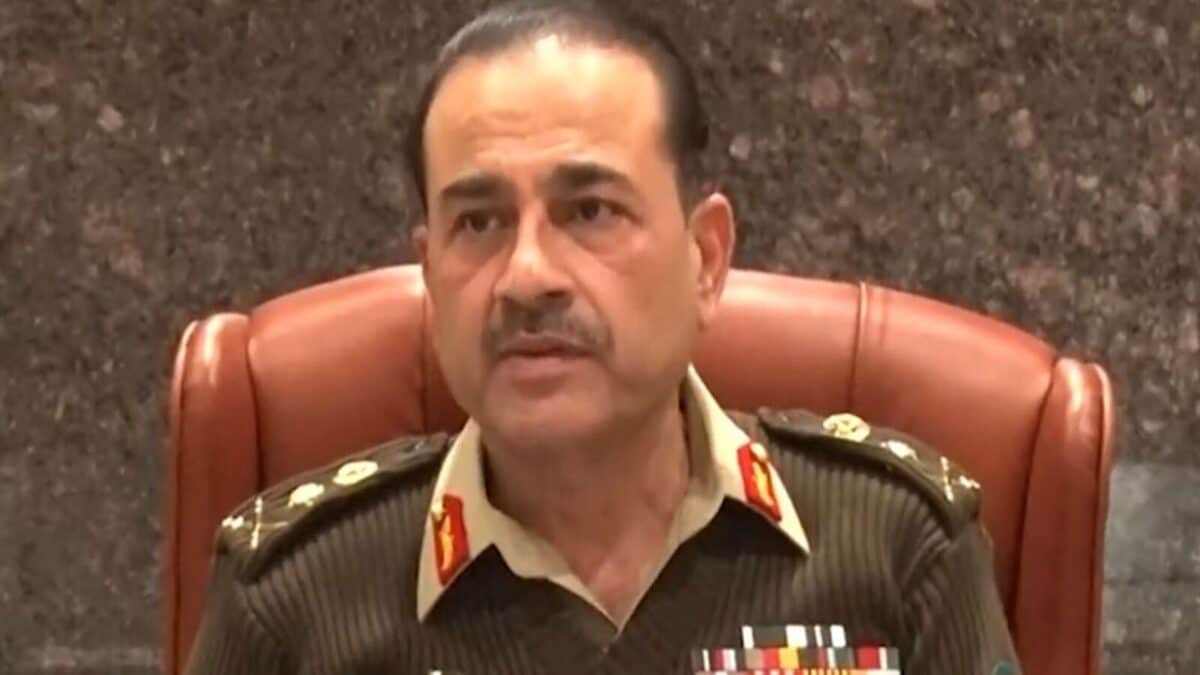
Pakistan Army Chief to Visit Tehran Amid Stalled US-Iran Talks

US Prepares Tough Iran Sanctions as Pakistan Seeks Mediation
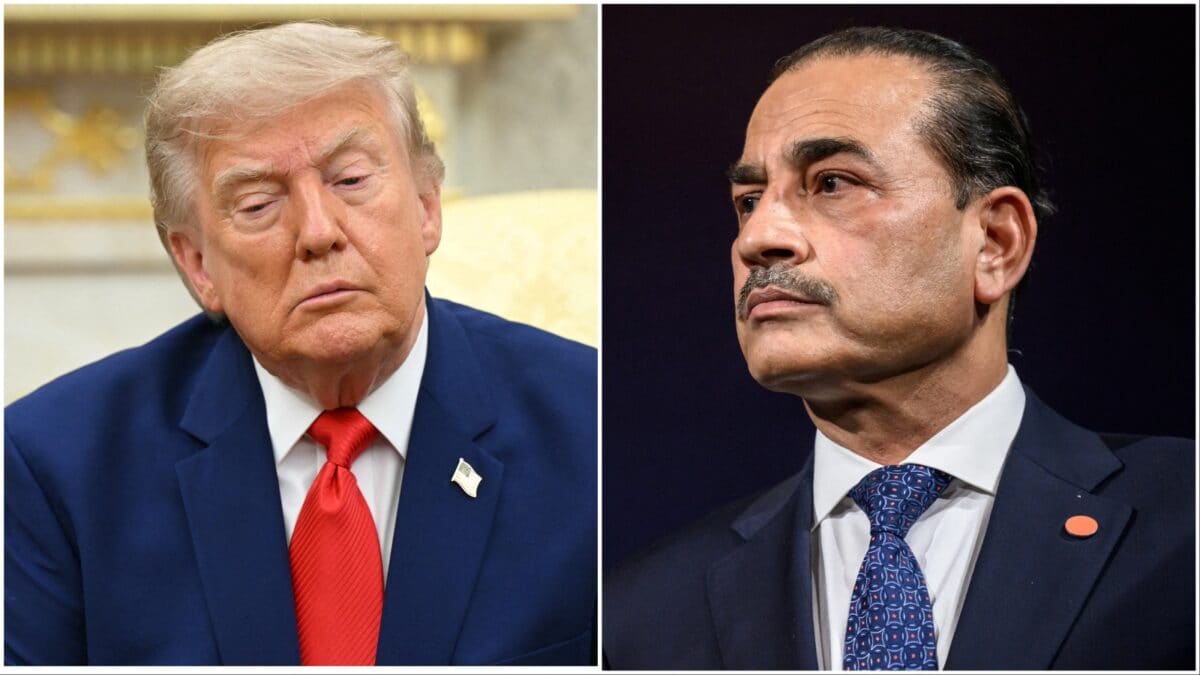
Trump, Pakistan Army Chief Discuss Iran Before Tehran Visit
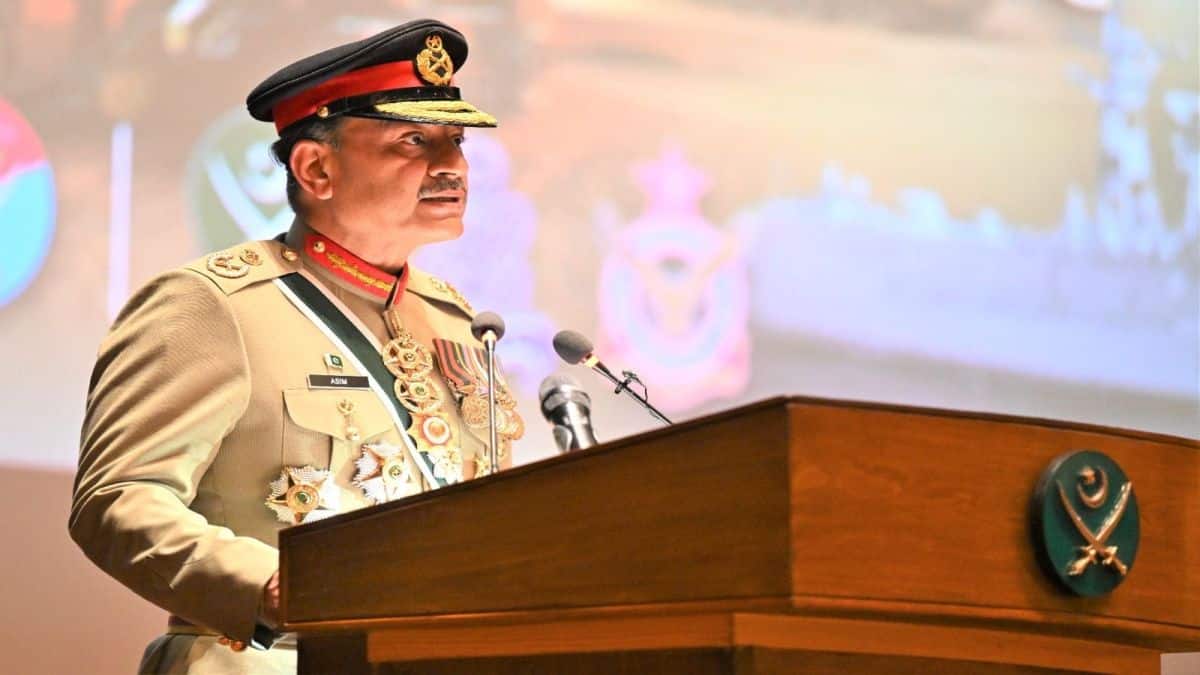
Reports Say Munir Carried US Framework to Iran, Unconfirmed
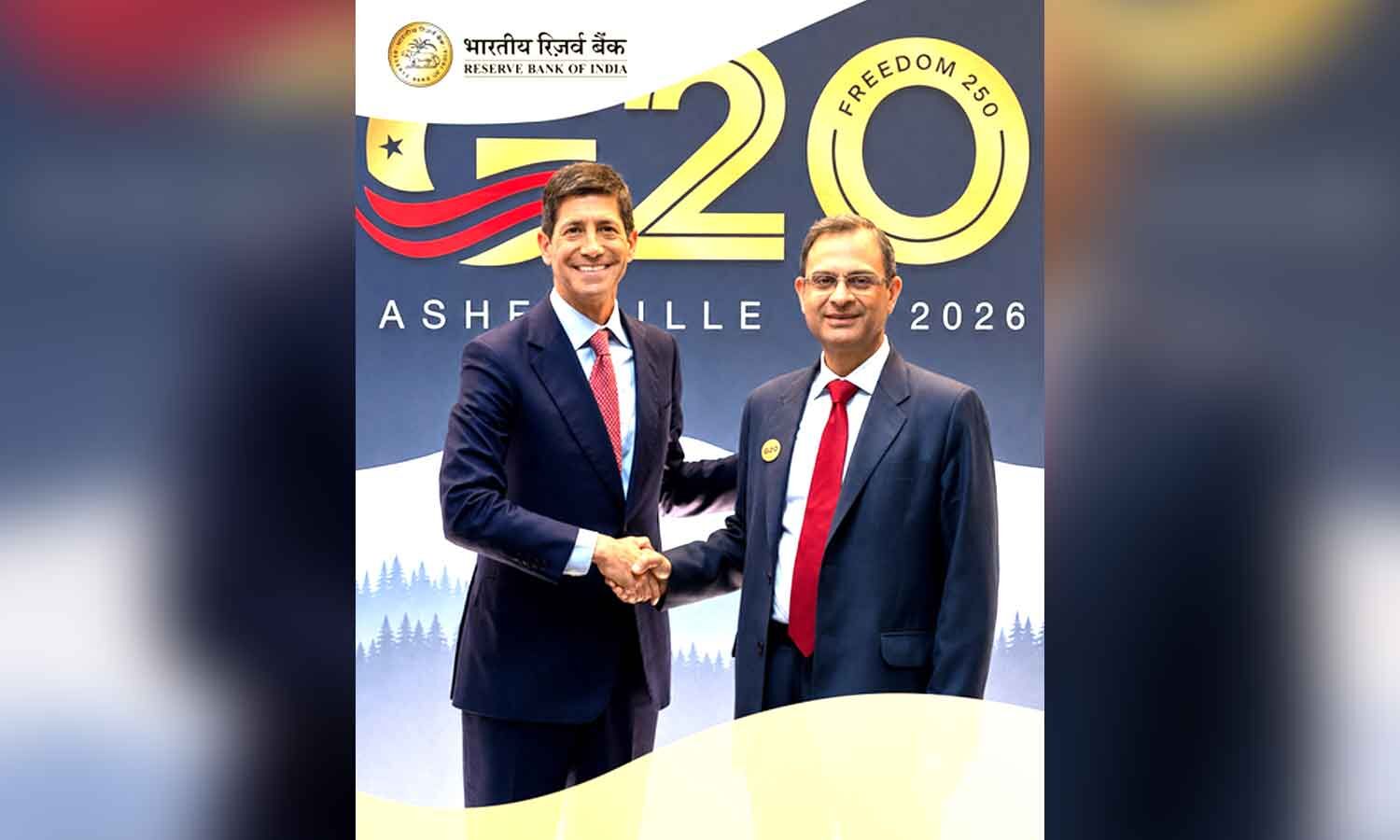
RBI Governor Meets US Fed Chief Kevin Warsh at G20
Indian Firms Invest $40 Billion in U.S., Supporting Jobs
Trump Aides Seek Quiet Iran War Before Midterm Elections
Global Bond Sell-Off Pushes Japan Yields To 30-Year High

US and China Hold Quiet Talks Over Iran Conflict