

2 weeks ago
Kolkata Educator Advises Choosing Schools Beyond Marks and Facilities
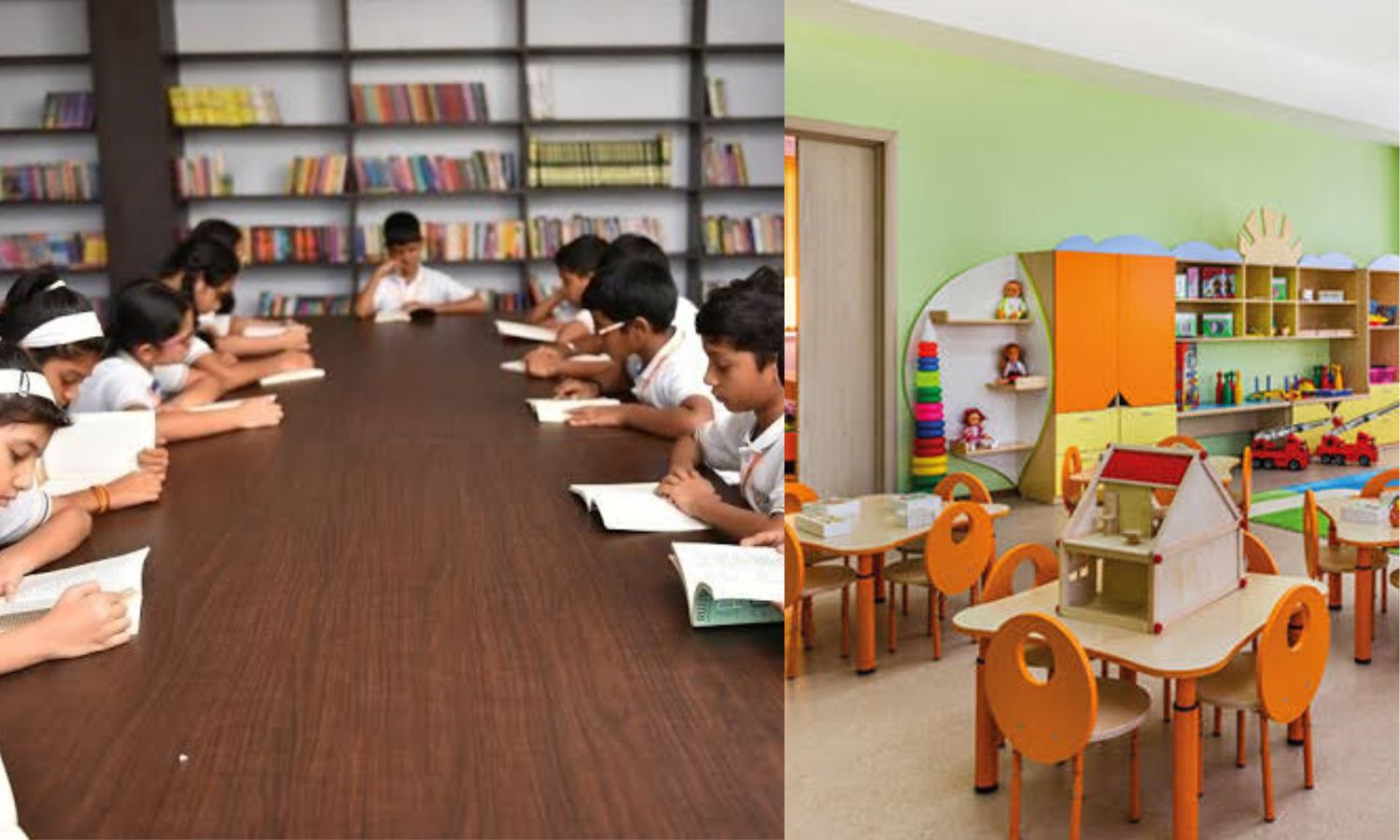
Choosing a school for a child is a big decision for parents.
A school teacher from Kolkata named Devi Kar wrote about this topic.
Some parents pick a school just because its students get very high marks.
But the teacher says you can get good marks at almost any school.
She thinks schools show off things like swimming pools and fancy classrooms to attract parents.
She says the most important thing is how children learn, not the building.
Too much focus on marks can make children less creative and curious.
Parents should look for a school that helps children think and learn on their own.
Teachers should guide, not just teach from books.
A good school helps children become independent learners.

Veteran Kolkata educator Devi Kar argues that excellent exam results should not be the only criterion for choosing a school.
She notes that high marks can be achieved at any school, or even through a coaching centre, regardless of the institution.
Parents typically weigh infrastructure, reputation, teacher-student ratio and the socio-economic mix of other pupils, while teacher quality remains hard to verify.
She calls the obsession with marks and grades a "national disease" that stunts children's imagination, creativity and resourcefulness.
Devi Kar concludes that a good school fosters independent learners, with teachers acting as facilitators rather than conventional instructors.
Many parents remain exam-oriented and are reluctant to let children take part in co-curricular activities before exams.
- Who
- Devi Kar, a veteran school educator based in Kolkata, writing advice for parents choosing schools for their children.
- What
- An opinion essay on the factors parents should consider when choosing a school, arguing that marks and infrastructure are overemphasized.
- Where
- Kolkata, India, in the context of the Indian schooling system with board exams and stream choices.
- When
- Not specified in the article.
- Why
- To guide parents toward school choices that foster curiosity, creativity and independent learning rather than only results and facilities.
Progressive learning advocates
Exam-oriented parents
Exam results as a school criterion
Progressive learning advocates
Marks are not a reliable criterion — high board scores can be achieved at any school or even through coaching centres, so results alone should not drive school choice.
Exam-oriented parents
Parents often move their children to schools with excellent past board results, such as a strong commerce stream record, believing this raises the chance of high marks.
Infrastructure and facilities
Progressive learning advocates
Schools over-advertise swimming pools, gymnasiums and smart devices to attract clients, while a lack of pastoral care and individual attention may be discovered later.
Exam-oriented parents
Parents are rightly particular about cheerful, bright and airy classrooms, child-friendly ergonomic furniture, cleanliness and a good teacher-student ratio.
Teaching and learning approach
Progressive learning advocates
Teachers should be facilitators enabling students to be responsible for their own learning, with activity-based and experiential learning fostering creativity and curiosity.
Exam-oriented parents
Many parents prefer conventional teaching from textbooks and notes, expect students to be quiet and still, and grumble that activity-based learning is not "proper" study.
Key facts
- Author
- Devi Kar
- Author's background
- Veteran school educator based in Kolkata
- Topic
- Factors to consider when choosing a school for a child
- Key argument
- High marks can be achieved at any school, even via coaching centres
- Parental priorities noted
- Infrastructure, reputation, teacher-student ratio, socio-economic mix
- Author's concern
- Obsession with marks and grades described as a "national disease"
- Ideal school trait
- Produces independent learners with teachers as facilitators
Sources
Related news
School awards celebrate effort, determination and achievement beyond marks

Why School Infrastructure Is Central to Modern Student Development

Education Shifts from Academic Pressure to Purpose-Driven Learning

Schools Urged to Balance Academics With Extracurricular Activities

Nursery Schools Probe Three- and Four-Year-Olds’ Screen-Time Habits

India's entrance prep market to reach $23-26 billion by FY30

India's 7.8% GDP Growth Sparks Questions Over Economic Reality

Kolkata Civic Team Seizes 500 Kg Fish, Meat Stock

West Bengal Plans Mega Durga Puja Show at Eden Gardens

Science Quiz Covers Vehicle Communication, Space, Medicine, Missiles and Time

Bengal Warns Vacant-Plot Owners Amid Rising Dengue Concerns
