

2 days ago
Nursery Schools Probe Three- and Four-Year-Olds’ Screen-Time Habits
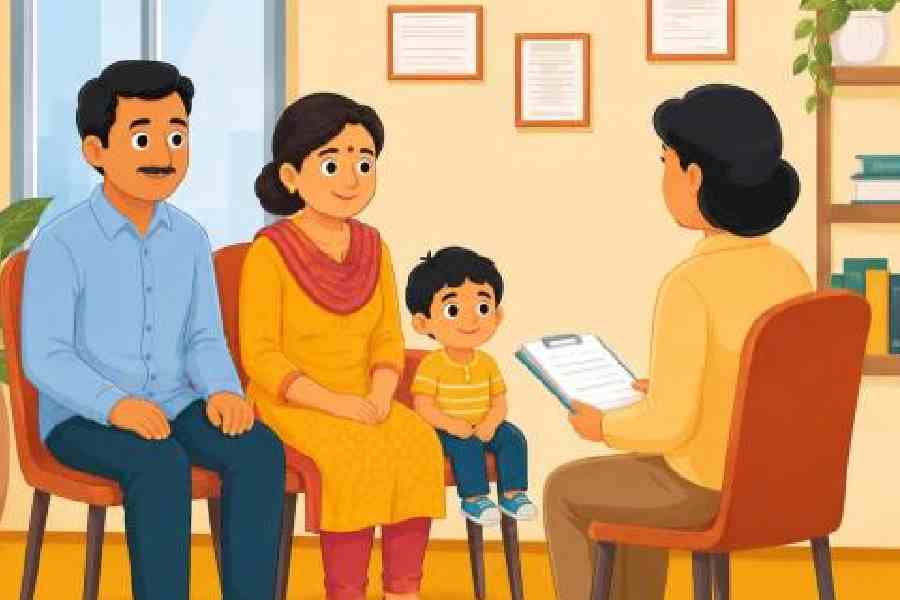
Some nursery schools are asking families about how young children use phones and other screens.
They often do this through casual conversation instead of asking for an exact number of hours.
Teachers may ask what a child watches, reads, or does while eating.
They may also notice whether a child copies characters from videos or speaks in a way learned from them.
Schools say parents sometimes give answers that sound more positive than what happens at home.
Educators believe too much device use can affect concentration, eyesight, and mental health.
Some parents now want help reducing their children’s phone use.
Schools do not expect children to avoid screens completely.
They do expect parents to keep device use limited and supervised.

Schools are using nursery admission conversations to assess young children’s screen use without directly asking parents about it.
Teachers look for clues such as needing a phone to finish meals, limited book reading, and strong familiarity with cartoon characters.
Children’s accents, behavior, and imitation of video characters may also signal frequent device use, educators say.
The admission process began in July, with parent-and-child interactions continuing through September.
Schools say limited cartoon viewing is acceptable, but unrestricted device access should not replace caregiving or other activities.
- Who
- Nursery schools, teachers, parents, and three- and four-year-old children are involved.
- What
- Schools are informally assessing children’s screen dependence during nursery admission interactions.
- Where
- The interactions take place at participating schools, including Birla High School, Sri Sri Academy, and Loreto schools.
- When
- The admission process began in July, and interactions continue through September.
- Why
- Schools want to identify excessive or unrestricted device use and discuss its possible effects on children.
Key facts
- Children assessed
- Three- and four-year-olds
- Assessment method
- Informal dialogue, observation, and questions about play, meals, books, and weekends
- Admission timeline
- The process began in July and continues through September
- Possible clues
- Phone use during meals, cartoon-focused interests, video-influenced accents, and imitation of characters
- Educators’ concern
- Excessive phone use may affect concentration, eyesight, and mental health
- Parent trend
- Some young parents increasingly want to reduce their children’s mobile-phone use
- Schools’ position
- Limited viewing may be acceptable, but unrestricted access should not replace caregiving
Quotes
Nandini Bhattacharjee
Education director of the Loreto schools
“Since last year, we have noticed that young parents increasingly want to wean children of that age off mobile phones. Some have also admitted that they struggle to do so on their own and have consulted counsellors for solutions to keep their children away from phones.”
 telegraphindia.com
“Children will watch cartoons, and it is natural for them to do so. But usage has to be limited. A device cannot become a substitute for a babysitter or an excuse to give up on everything else.”
telegraphindia.com
Sources
Related news
Noida Schools Cap Smart Board Screen Time At 30-60 Minutes
Kolkata Educator Advises Choosing Schools Beyond Marks and Facilities

Uttar Pradesh Links Teachers to Prashast 2.0 Screening Videos

Parents Can Reduce School Device Distractions With Simple Strategies

Supreme Court Urges Parents to Talk, Limit Extra Classes
