3 weeks ago
Education Shifts from Academic Pressure to Purpose-Driven Learning

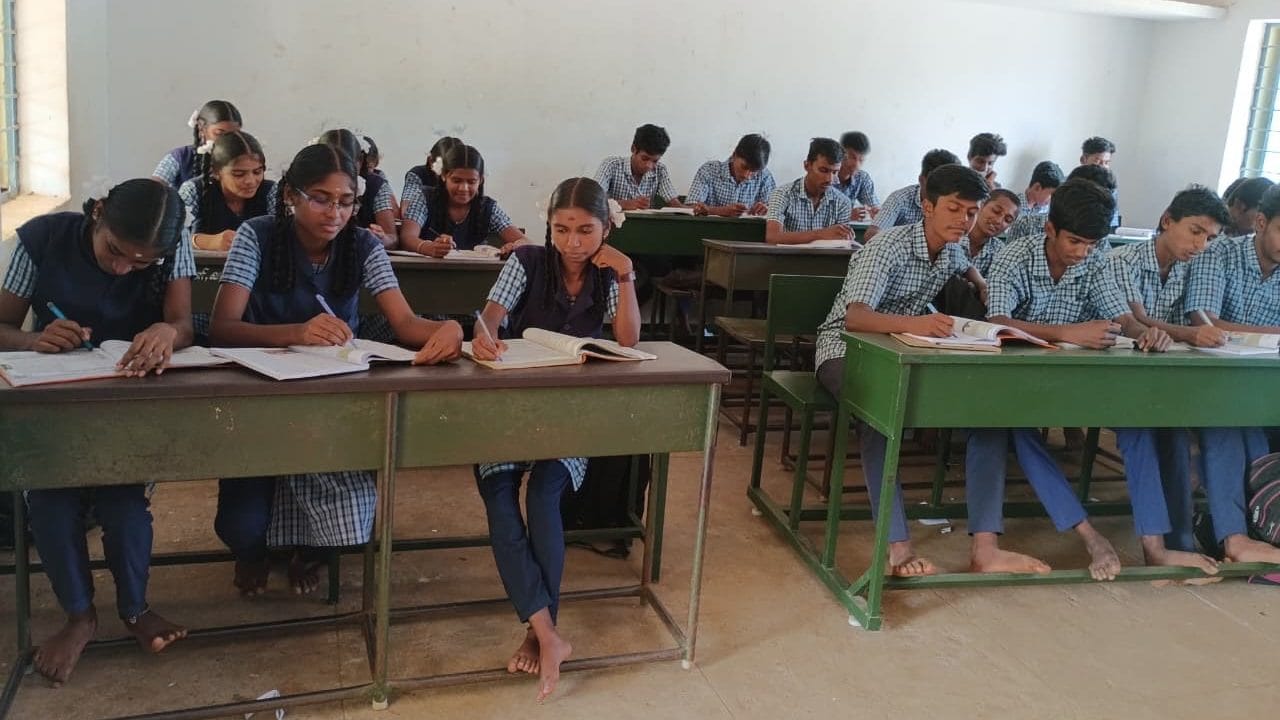
For a very long time, schools judged how well kids were doing mostly by test scores and grades.
This made many children feel that learning was stressful instead of fun.
Now schools are trying to change that.
They want kids to enjoy discovering new things, not just chase high marks.
Teachers are paying more attention to skills like creativity, teamwork, and caring for others.
Learning becomes more exciting when it connects to real life and real problems.
Schools are also working to make kids feel safe and happy, because children learn better when they feel good.
Parents are helping too, by praising effort and curiosity instead of only grades.
This new way helps children grow with confidence and prepares them for the future.

Academic success has long been measured through marks, rankings, and examination results, creating a culture where performance often takes precedence over the learning process.
Schools are increasingly recognising creativity, collaboration, resilience, empathy, and critical thinking as qualities equally essential to academic achievement.
Project-based learning, interdisciplinary activities, and experiential education help students connect knowledge to real-life situations and become active participants in their own education.
Schools are prioritising emotional well-being, with mindfulness, emotional intelligence, and supportive environments becoming part of school culture alongside academic instruction.
Teachers and parents are encouraged to celebrate perseverance, curiosity, and personal growth, shifting the focus from perfection and comparison toward progress and a growth mindset.
- Who
- Students, teachers, parents, and educators
- What
- A shift in education from performance- and pressure-driven learning toward purpose-driven, holistic learning that nurtures curiosity, well-being, and personal growth
- Where
- Not specified; refers generally to schools and classrooms
- When
- Not explicitly dated; described as an ongoing transformation visible in classrooms today
- Why
- To help students rediscover purpose and genuine engagement, reduce academic pressure, and build critical thinking, collaboration, and adaptability for a changing workforce
Key facts
- Traditional success metrics
- Marks, rankings, and examination results
- Holistic qualities emphasised
- Creativity, collaboration, resilience, empathy, and critical thinking
- Learning approaches
- Project-based learning, interdisciplinary activities, experiential education, collaborative assignments
- Well-being initiatives
- Mindfulness, emotional intelligence, teamwork, self-reflection
- Key stakeholders
- Students, teachers, parents, and school leaders
- Future workforce skills
- Critical thinking, collaboration, adaptability, lifelong learning
Sources
Related news
India’s Schools Need Holistic Assessment Beyond Examination Scores
Kolkata Educator Advises Choosing Schools Beyond Marks and Facilities

Madhavan's Finland Education Post Sparks Homework Learning Debate

Aamir Khan's Parenting Philosophy Challenges India's Academic Pressure Culture