3 weeks ago
Private Investment Set to Boost India's Rail Wheel Manufacturing, Exports
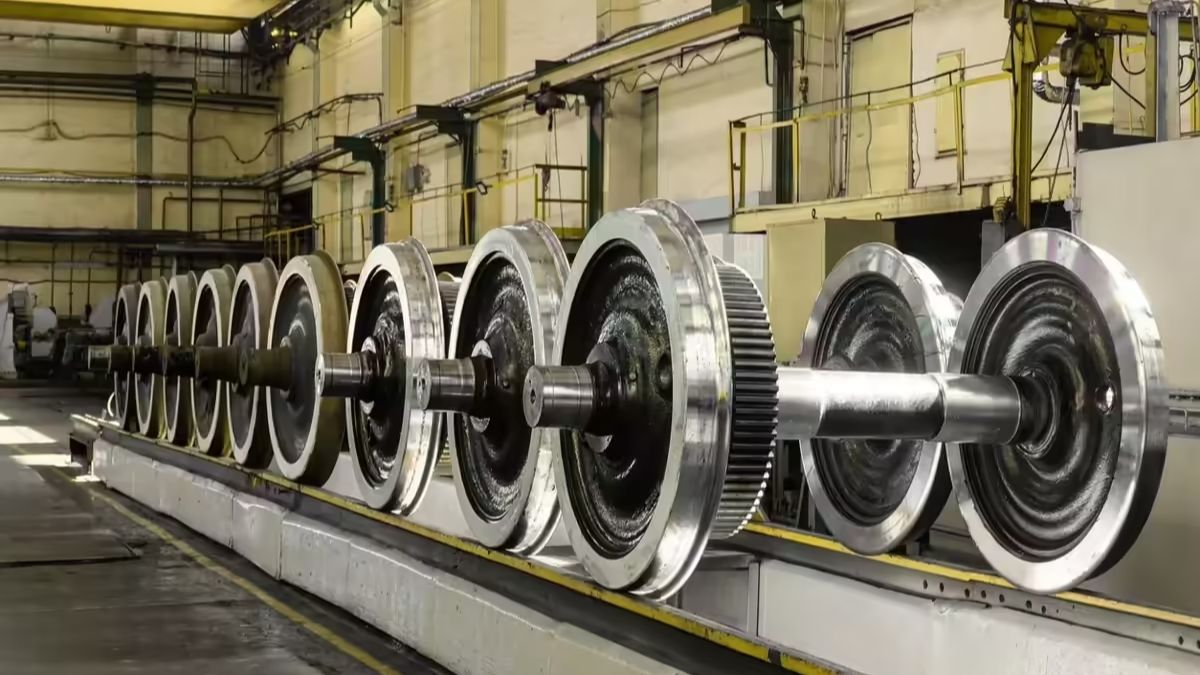
India needs lots of train wheels to build and fix its trains.
For a long time, the government made most of these wheels.
Some special wheels for fast trains like Vande Bharat had to be brought from other countries.
Now, private companies want to make wheels too.
Jupiter Wagons is building a big factory in Odisha, and another company team is building one in Chennai.
These factories will make millions of wheels every year.
Some of the wheels will be used in India, and some will be sold to other countries.
This might mean India buys fewer wheels from places like China.
It could even start selling more wheels to the world than it buys.
The new factories will also create jobs and help trains run better.

Jupiter Wagons and the Titagarh Rail Systems-Ramkrishna Forgings joint venture are making large private investments in rail wheel manufacturing in India.
India imported more than 50,000 wheelsets from China alone last year, and passenger wheels for Vande Bharat, metro, and other modern rolling stock are also imported.
Jupiter Wagons is building an integrated facility in Odisha with about 1 lakh wheelsets of annual capacity, aiming to export 50-60% of its output.
The Rs 2,000-crore Titagarh-Ramkrishna JV in Chennai plans annual capacity of 2.28 lakh forged wheels, with Indian Railways committed to buying 80,000 wheels annually.
Indian Railways' Rail Wheel Factory produced a record 2.10 lakh wheels and 1.20 lakh wheelsets in FY26, and industry estimates project annual wheelset demand could exceed 4 lakh units by 2030.
- Who
- Private companies Jupiter Wagons and the Titagarh Rail Systems-Ramkrishna Forgings joint venture, alongside public sector manufacturers led by Indian Railways' Rail Wheel Factory.
- What
- Large private investments in railway wheel and wheelset manufacturing that could break the public sector's near-monopoly and make India a net exporter of rail wheels.
- Where
- India, including a new Jupiter Wagons facility in Odisha, a forged wheel plant in Chennai, and Jupiter Wagons' existing Chhatrapati Sambhajinagar facility.
- When
- Projects are expected to boost domestic manufacturing over the next 2-3 years; Jupiter Wagons' axle line should be operational by the end of this year and its integrated facility by the third quarter of the next financial year.
- Why
- To reduce import dependence and meet rising demand, as Indian Railways requires around 4.4 lakh wheels annually and domestic capability for advanced passenger wheels is lacking.
Key facts
- Annual requirement
- Around 4.4 lakh wheels for Indian Railways (per December 2023 parliamentary statement)
- Wheelsets imported from China last year
- More than 50,000
- Jupiter Wagons Odisha plant capacity
- About 1 lakh wheelsets per year
- Jupiter Wagons export target
- 50-60% of plant output
- Titagarh-Ramkrishna JV investment
- Rs 2,000 crore
- JV planned capacity
- 2.28 lakh forged wheels per year
- Indian Railways committed JV procurement
- 80,000 wheels annually
- Projected wheelset demand by 2030
- Over 4 lakh units (8 lakh individual wheels)
Quotes
Lalit Chandra Trivedi
Former general manager, East Central Railway
““The rail wheel industry is at an inflection point. Growing demand from Indian Railways and metro projects, along with private investments, can sharply reduce import dependence.””
 financialexpress.com
““Wheel manufacturing requires huge capital investment, and unless a plant operates at a large scale with access to global markets, the economics do not work.””
financialexpress.com
Sources
Related news
Jupiter Wagons, Texmaco, Titagarh: Best railway stock for freight boom?
Alstom Seeks 200-Locomotive Follow-On Order From Indian Railways
Titagarh and Siemens explore international metro projects together
Jefferies Cuts Jupiter Wagons Target, Sees 27% Downside
Tata AutoComp diversifies into railways, targets 10% business share

India's New Smartphone Scheme Faces Consumer Product Test
Vaishnaw Explains India’s Journey From Sand to Semiconductor Chips
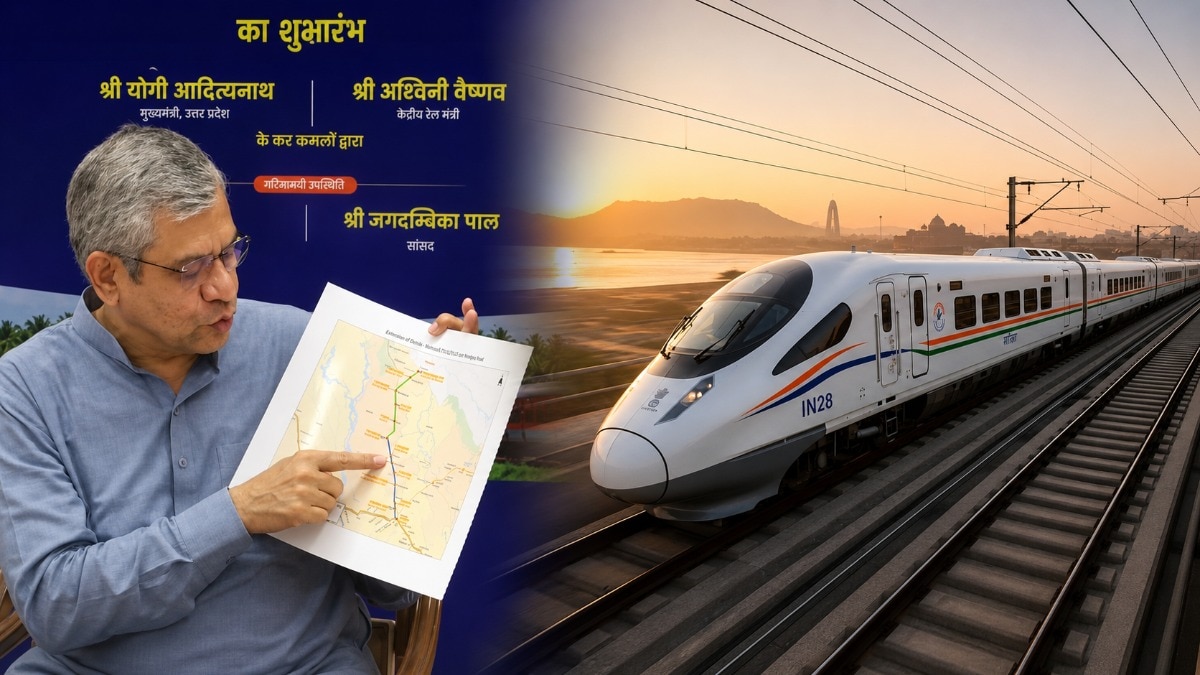
Proposed Bullet Train Could Cut Delhi-Patna Travel Time

Adityanath Accuses Previous Governments of Hiding Encephalitis Deaths
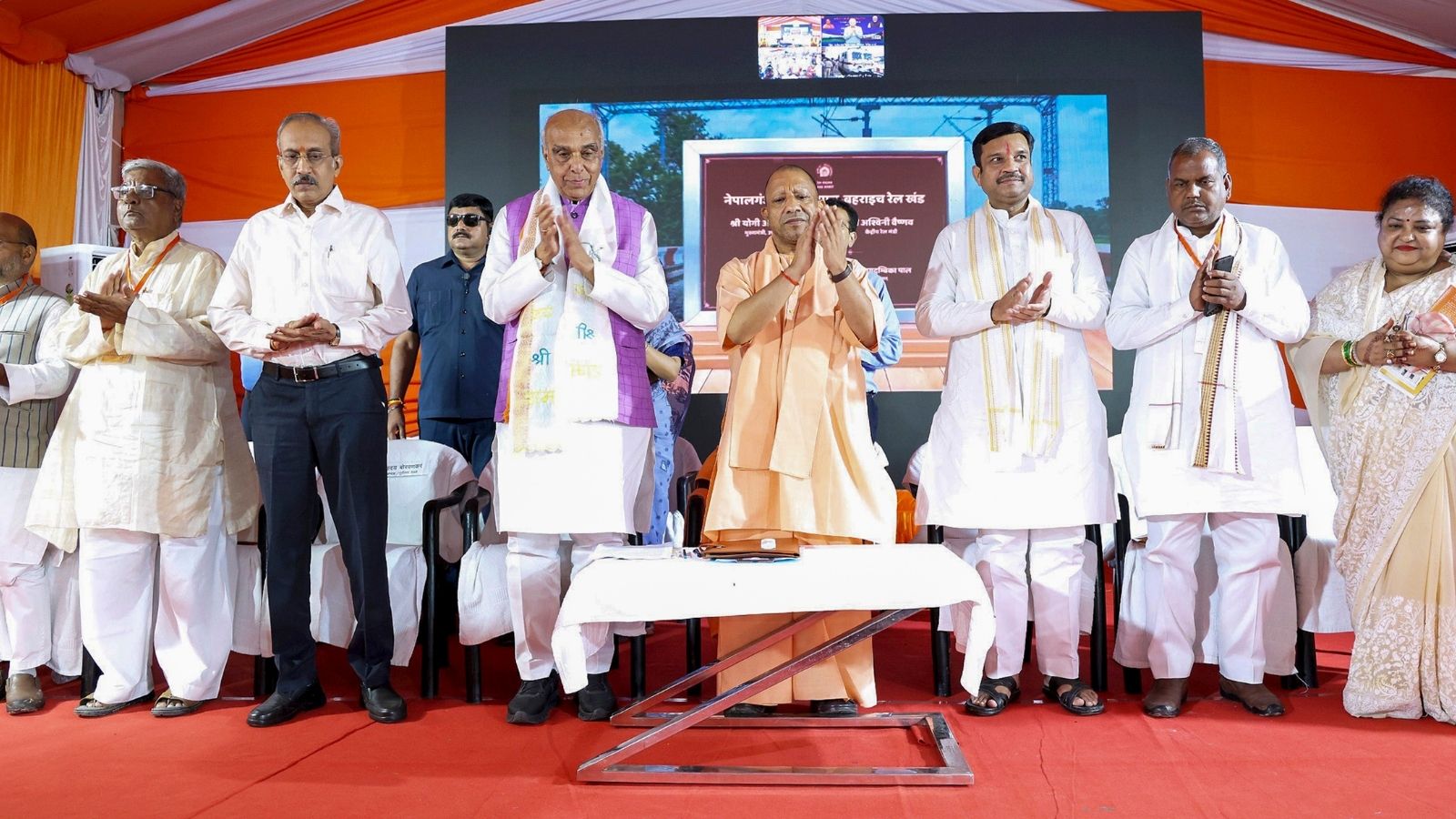
Upgraded Nepalganj Road-Bahraich Rail Section Inaugurated in Uttar Pradesh