1 hr ago
Why Monsoon May Raise UTI Risk—and How to Prevent It
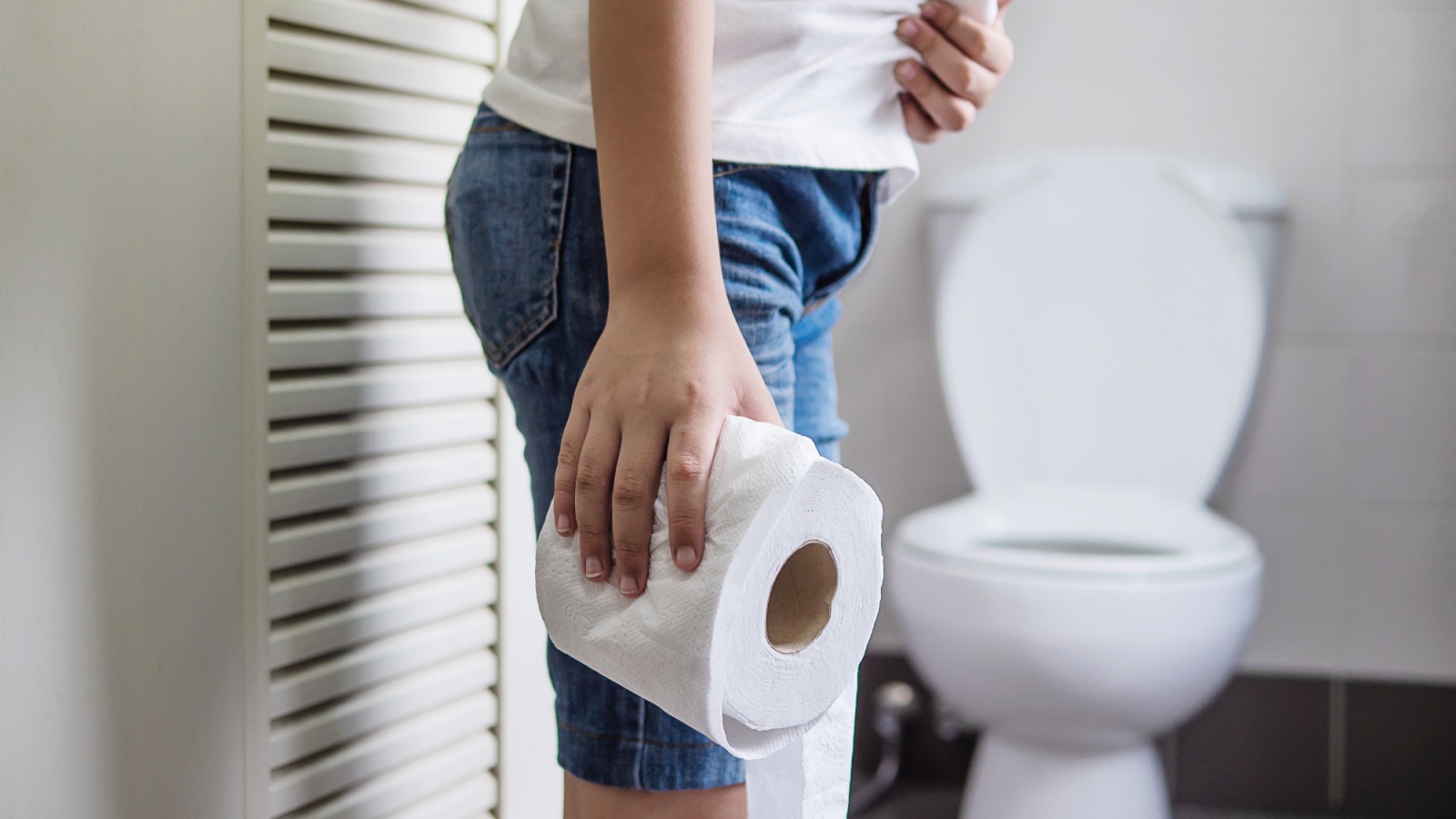
Rain does not directly cause a UTI.
However, monsoon weather can make people sweat and stay in damp clothes.
Dirty water and poor hygiene may also expose people to bacteria.
People may drink less water when the weather is cool, so they may urinate less often.
Urinating regularly helps wash bacteria away.
A UTI usually starts in the bladder but can spread to the kidneys if untreated.
Warning signs include painful urination, frequent urges, cloudy urine and lower-abdominal discomfort.
Fever, chills, back pain, nausea or vomiting need prompt medical attention.
Drinking water, changing out of wet clothes and keeping clean can help reduce the risk.

Monsoon conditions do not directly cause UTIs but may encourage bacterial growth through humidity, sweating, damp clothing and poor hygiene.
Cooler rainy weather can reduce water intake and urination, allowing bacteria to remain in the urinary tract.
Untreated UTIs may spread from the bladder to the kidneys and, in severe cases, the bloodstream.
Recurring UTIs may signal kidney stones, urinary obstruction, constipation or incomplete bladder emptying.
Prevention includes staying hydrated, not holding urine, keeping the genital area dry, changing wet clothes and avoiding unnecessary antibiotics.
- Who
- People at risk of UTIs during the monsoon, with guidance from Dr Lokesh Sinha, Consultant Urologist at Jupiter Hospital, Thane.
- What
- The article explains why monsoon conditions may increase UTI risk, the warning signs of infection and ways to prevent complications.
- Where
- The risk-related conditions can occur in damp environments and around the genital and urinary areas; Dr Lokesh Sinha is identified with Jupiter Hospital, Thane.
- When
- During the monsoon season, especially on cooler or rainy days when people may drink less water.
- Why
- Humidity, sweating, damp clothing, contaminated water, reduced hydration and infrequent urination can create conditions that allow bacteria to multiply.
Key facts
- Main risk factors
- Humidity, sweating, damp clothing, contaminated water, reduced water intake and infrequent urination.
- Common symptoms
- Burning or pain during urination, frequent or urgent urination, small urine quantities, lower-abdominal discomfort, and cloudy or bad-smelling urine.
- Possible complications
- An untreated UTI can spread from the bladder to the kidneys and, in severe cases, enter the bloodstream and cause sepsis.
- Kidney warning signs
- Fever, chills, side or back pain, nausea and vomiting may indicate kidney involvement.
- Recurring infections
- Repeated UTIs may be associated with kidney stones, urinary obstruction, constipation or incomplete bladder emptying.
- Prevention
- Stay hydrated, avoid holding urine, keep the genital area clean and dry, change wet clothes promptly, and practise good toilet hygiene.
- Antibiotic advice
- Antibiotics should not be taken unnecessarily because inappropriate use can contribute to antibiotic resistance.
Quotes
Dr Lokesh Sinha
Consultant urologist at Jupiter Hospital, Thane
“Fever, chills, pain in the side or back, nausea or vomiting are all signs that the infection might have reached the kidneys and should therefore lead to immediate medical attention.”
 indianexpress.com
“Make sure that the genital area remains clean and dry, get out of any wet or damp clothes as soon as possible and practise good personal hygiene.”
indianexpress.com
Sources
Related news
Doctors warn antibiotics don't treat monsoon fever, misuse fuels resistance

Delhi-NCR Sees Rise in Swine Flu and Respiratory Infections
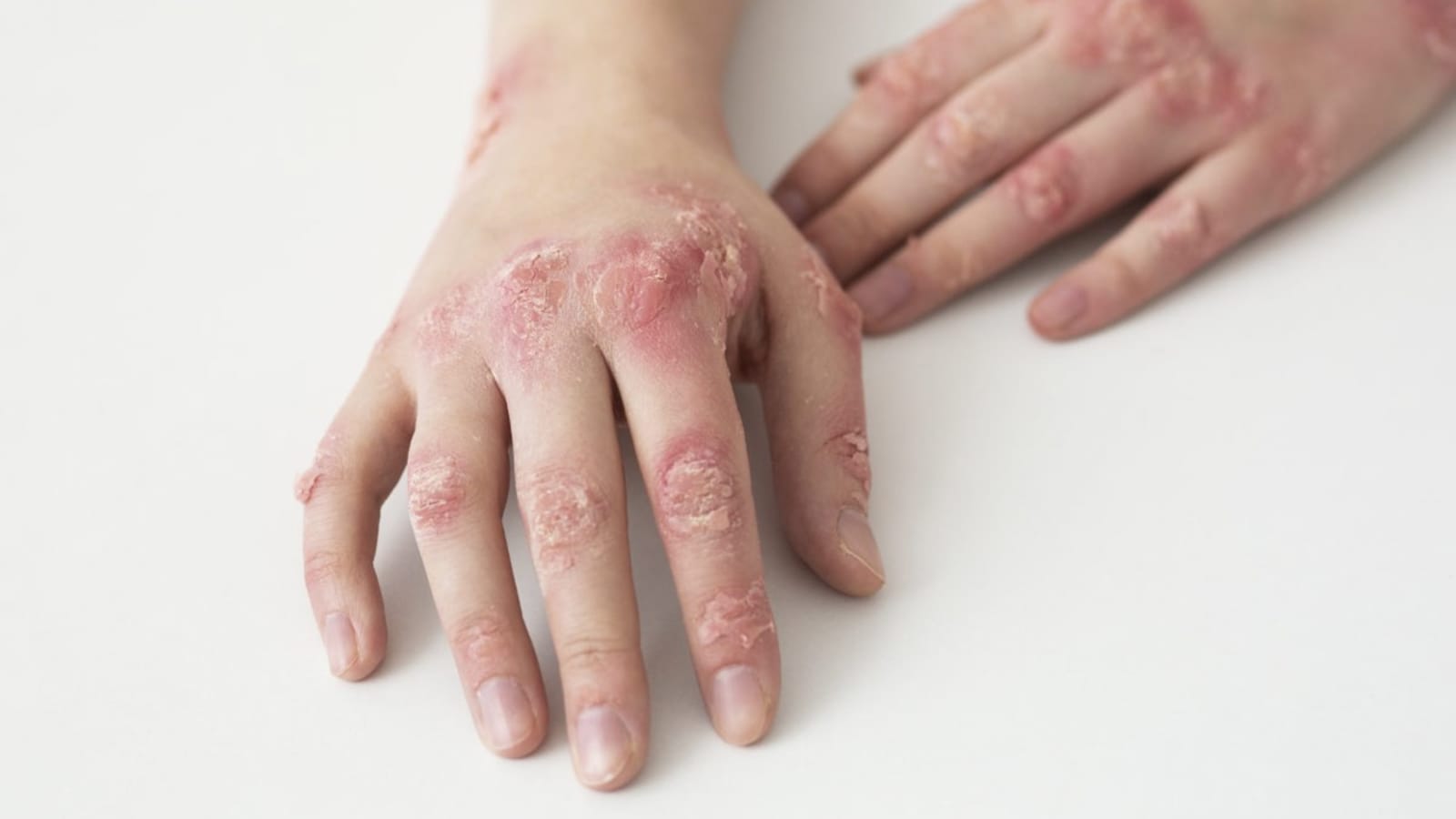
Monsoon Humidity Fuels Ringworm, Athlete's Foot and Jock Itch

Vets Share Monsoon Pet Care Tips Amid Heavy Rain Warnings

Doctors Reveal Hidden Damage Monsoon Showers Do To Your Hair

Doctors Warn Against Unnecessary Antibiotics as Monsoon Illnesses Rise

Rahul Roy’s Post-Stroke Diet Draws Medical Guidance on Recovery

Daily Routines Reveal What You Truly Prioritize Each Day

Tiny Suboccipital Muscles Linked to Headaches, Neck Pain and Dizziness
Excess Protein May Cause Digestive Symptoms and Stall Fat Loss