

8 hrs ago
India’s 2026 Rabi Season Faces Fertiliser, Water Challenges
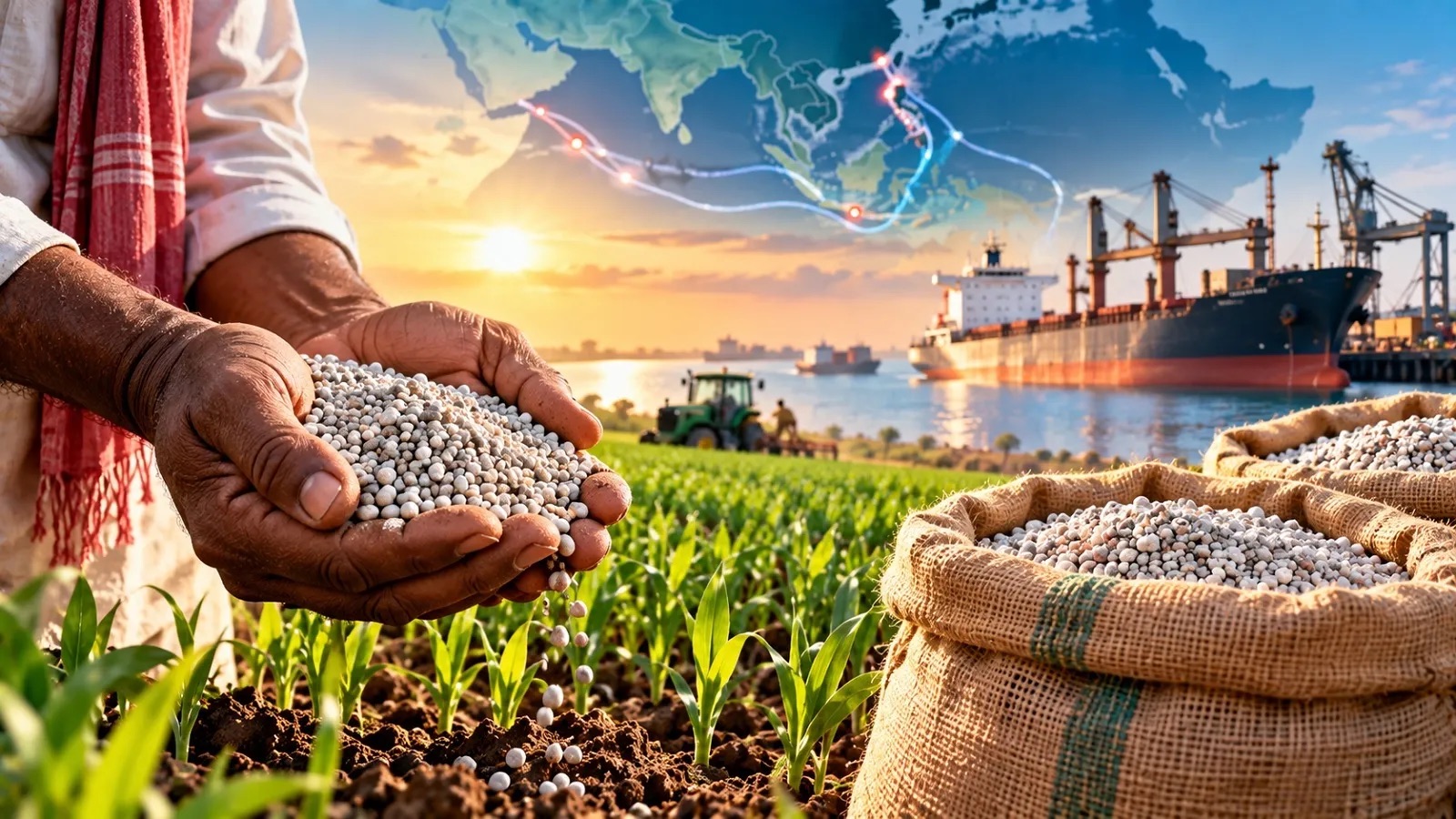
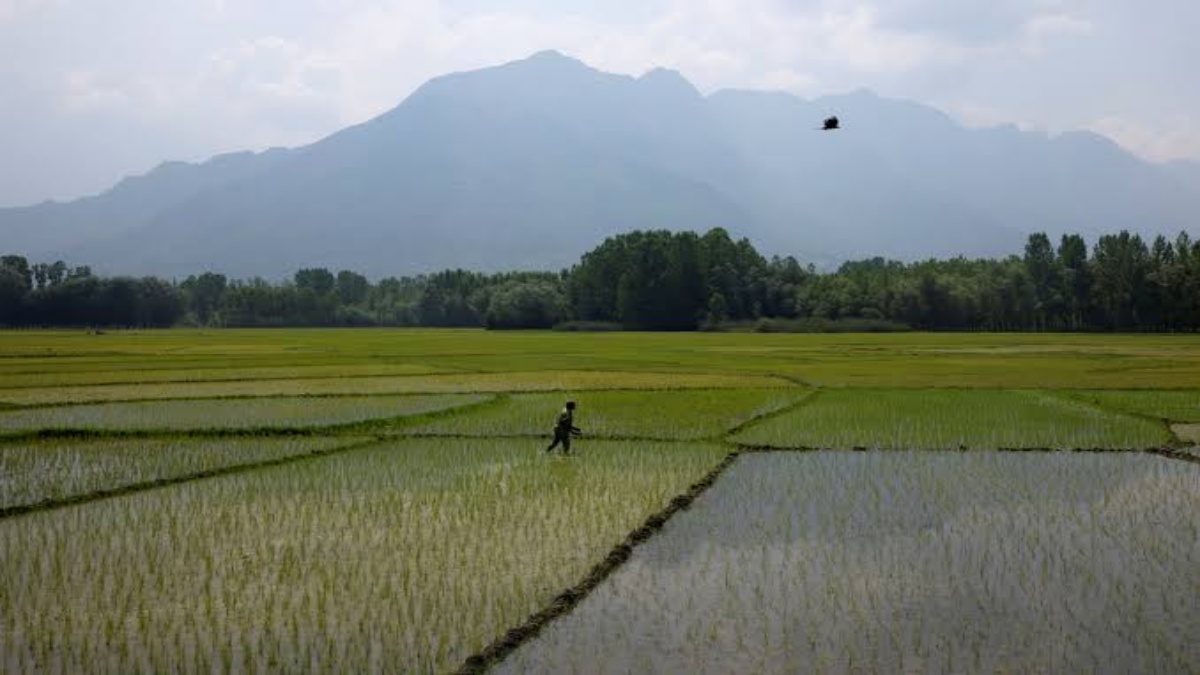
India is preparing for the Rabi growing season, when farmers plant crops such as wheat.
The government is aiming for a very large wheat harvest.
Fertiliser is available in the country overall, but it may not reach every village at the right time.
Some farmers may face queues, delivery delays or sellers who break the official pricing rules.
Water is also a concern because groundwater is low in some areas and canals may not deliver enough.
The article says farmers need seeds, fertiliser and water when their fields are ready.
Using different kinds of nutrients and saving soil moisture could help.
The season’s success will depend on getting supplies to farms on time.

India’s Rabi 2026–27 wheat production target is 121 million tonnes.
Fertiliser supplies may be sufficient nationally, but timely local access remains a concern.
Farmers face water constraints, including depleted groundwater, low reservoir levels and canal-delivery problems.
The article says India imports an estimated 80–90% of its phosphoric acid and finished DAP requirements.
Balanced nutrient use, better stock tracking and water-saving practices are suggested to improve farm-level delivery.
- Who
- Indian farmers, with particular challenges across the wheat-producing states of Uttar Pradesh, Madhya Pradesh, Punjab, Haryana and Rajasthan.
- What
- India is preparing for the Rabi 2026–27 season amid concerns about fertiliser distribution, irrigation and seed availability.
- Where
- India, particularly its northern wheat belt.
- When
- The Rabi 2026–27 sowing season; the article discusses conditions and preparations in 2026.
- Why
- Timely access to fertiliser, water and seeds will be important to meet the government’s wheat production target and support food security.
Key facts
- Wheat production target
- 121 million tonnes
- Major wheat-producing states
- Uttar Pradesh, Madhya Pradesh, Punjab, Haryana and Rajasthan account for roughly three-quarters of India’s wheat output.
- Wheat irrigation
- Wheat generally requires four to six irrigations; the first is needed around 21–25 days after sowing.
- Punjab groundwater
- Most of Punjab’s 153 development blocks are classified as over-exploited.
- Phosphatic fertiliser imports
- India imports an estimated 80–90% of its phosphoric acid and finished DAP requirements.
- DAP retail price
- The article says farmers receive a 50-kg DAP bag at a controlled price of ₹1,350.
- Supply monitoring
- The Integrated Fertiliser Management System tracks fertiliser movement from factories and ports to districts and retailers.
Sources
Related news
How India Protected Fertiliser Supplies During Global Disruptions

Chouhan Sees No Significant Kharif Output Drop Despite Weather Risks
India Lowers 2026-27 Foodgrain Target Amid El Niño Concerns
Minister Expects Stable Kharif Grain Output Despite Weather Risks
Deficient Monsoon Raises Drought Risks for India’s Winter Crops
Minister Urges States to Adopt Water-Based Rabi Planning
Badnu’s Young Cricketers Reach National Arenas With Avaada Support

Haryana Board Sets 2026-27 School Affiliation Application Schedule
BJP Plans Delhi Event Marking Modi’s 25 Years

State Borrowing Set to Rise 26% to ₹3.6 Trillion
