

1 hr ago
Minister Expects Stable Kharif Grain Output Despite Weather Risks
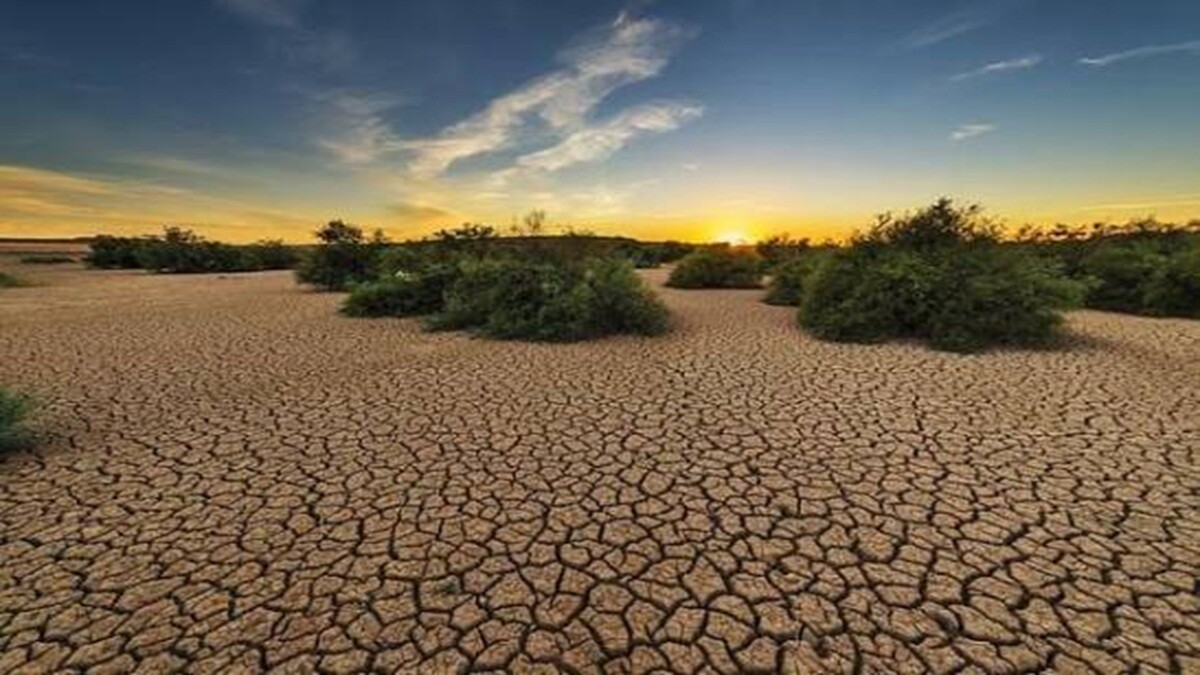
India is facing less rain than expected, along with drought worries, floods and possible El Nino conditions.
The agriculture minister says the country probably will not lose a large amount of foodgrain production.
Farmers have planted less paddy, maize, soybean and cotton in some areas.
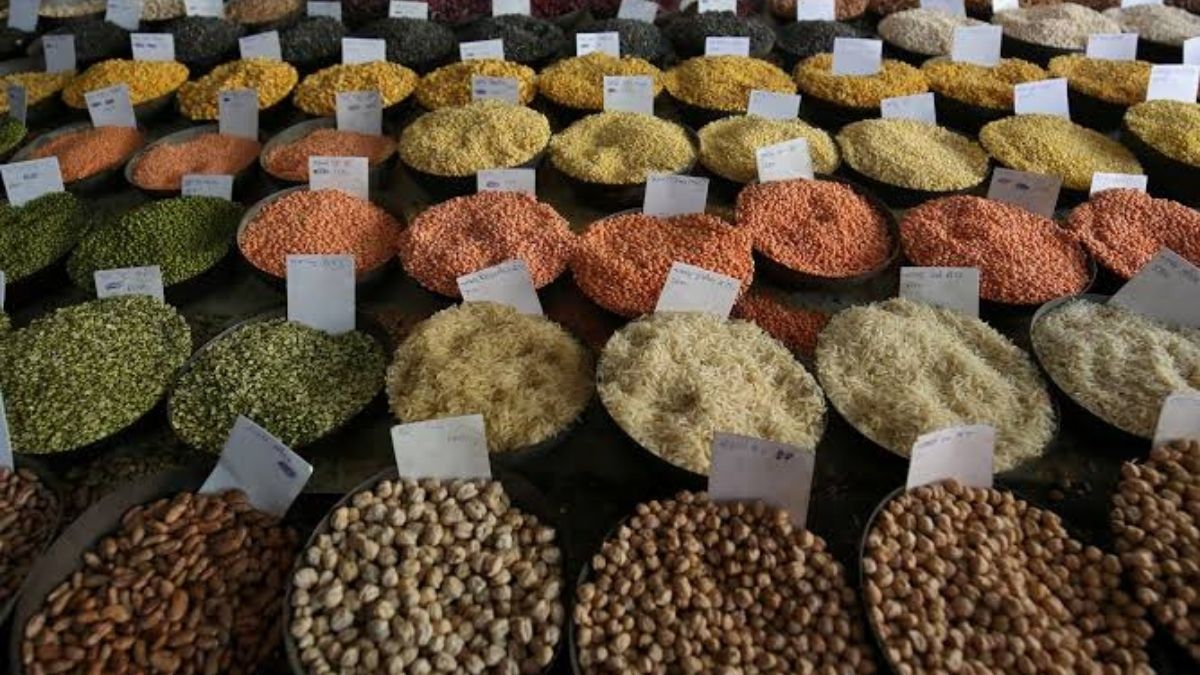
They have planted more pulses and coarse cereals instead.
Floods have damaged crops in several states, but officials are still checking the full damage.
The government wants farmers to choose crops based on available water and soil moisture.
It has also set production goals for both Kharif and Rabi crops.
The government approved money to buy some pulses and oilseeds from farmers at support prices.
This is meant to protect farmers if market prices fall.

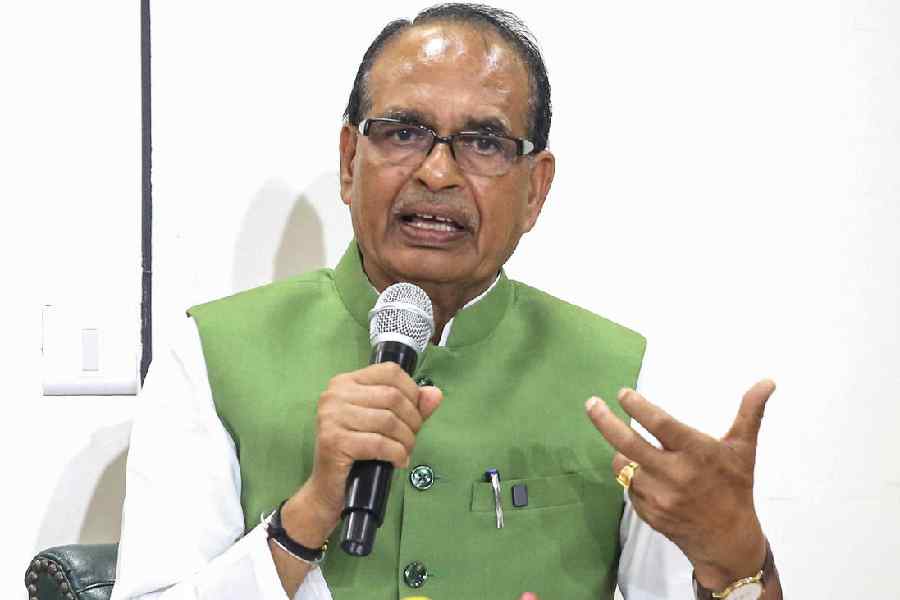
Agriculture Minister Shivraj Singh Chouhan said Kharif foodgrain production is unlikely to decline significantly despite a 12% rainfall deficit and regional weather problems.
Paddy acreage fell by about 16.32 lakh hectares, while cultivation of several pulses and coarse cereals increased.
Floods and heavy rain affected about 6.11 lakh hectares across six states, with damage assessments underway.
The government set 2026-27 targets of 196.21 million tonnes for Kharif and 177.72 million tonnes for Rabi foodgrain production.
The Centre approved Rs 5,547.99 crore in Minimum Support Price procurement for pulses and oilseeds in Uttar Pradesh, Karnataka and Telangana.
- Who
- Agriculture Minister Shivraj Singh Chouhan, the central government and farmers in affected states.
- What
- The government assessed weather risks to 2026-27 foodgrain production, crop acreage and farm support measures.
- Where
- India, including affected areas in Maharashtra, Tamil Nadu, Telangana, Andhra Pradesh, Rajasthan, Gujarat, Karnataka and other regions.
- When
- The report concerns the 2026-27 crop year; a Central assessment team is scheduled to visit Karnataka on October 3.
- Why
- To respond to rainfall shortages, drought and flood risks, guide crop planning and support farmers through Minimum Support Price procurement.
Government assessment
Weather-risk concerns
Expected foodgrain production
Government assessment
Shivraj Singh Chouhan said production is unlikely to be significantly affected by the current level of rainfall deficit and regional weather problems.
Weather-risk concerns
Drought fears, floods, a 12% rainfall deficit and the possibility of a stronger El Nino could threaten crops in affected regions.
National versus regional impact
Government assessment
The minister said there is no major crisis at the national level and that difficulties are concentrated in specific regions.
Weather-risk concerns
Concerns have been reported in Karnataka, Maharashtra, parts of Andhra Pradesh, Telangana and Rajasthan, while floods have already affected crops across six states.
Crop planning response
Government assessment
The government is promoting pulses, coarse cereals and lower-water crop varieties, alongside contingency plans and MSP procurement.
Weather-risk concerns
Limited water resources and soil-moisture constraints require states to change crop choices and avoid water-intensive varieties in shortage-hit areas.
Key facts
- Current rainfall deficit
- Around 12%, compared with the India Meteorological Department forecast of a 10% deficit.
- Kharif production target
- 196.21 million tonnes for 2026-27, versus 174.14 million tonnes produced the previous year.
- Rabi production target
- 177.72 million tonnes for 2026-27, versus 174.51 million tonnes produced the previous year.
- Paddy acreage change
- The area under paddy cultivation declined by around 16.32 lakh hectares.
- Flood-affected cropland
- Around 6.11 lakh hectares across Maharashtra, Tamil Nadu, Telangana, Andhra Pradesh, Rajasthan and Gujarat.
- MSP procurement approval
- Rs 5,547.99 crore for pulses and oilseeds in Uttar Pradesh, Karnataka and Telangana.
- Possible climate risk
- The government is monitoring whether El Nino strengthens toward the end of 2026.
Quotes

Shivraj Singh Chouhan
India’s Agriculture Minister
“Since water resources are limited, we must plan strategically and must not delay preparations.”
 financialexpress.com
“I do not believe that production will be significantly impacted by this level of deficit.”
financialexpress.com
Sources
Related news

Chouhan Sees No Significant Kharif Output Drop Despite Weather Risks
India Lowers 2026-27 Foodgrain Target Amid El Niño Concerns
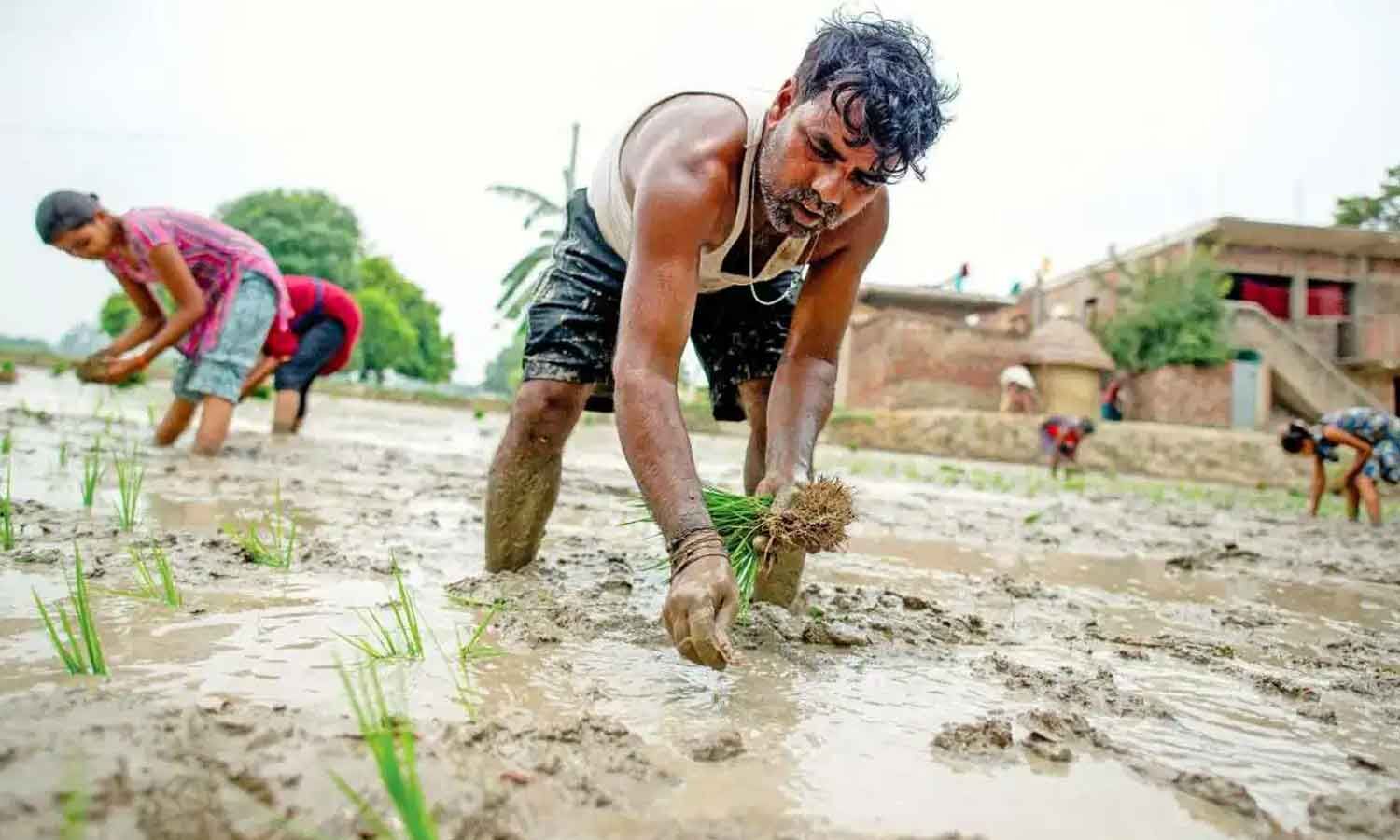
El Nino Threatens Rainfed Rabi Crops, Foodgrain Output Official Warning

Kharif Crop Prices Seen Strong, Except Bajra and Moong

India’s Kharif Acreage Gap Narrows Despite Rainfall Deficit

India’s Kharif Sowing Nearly Recovers, But Key Crops Lag
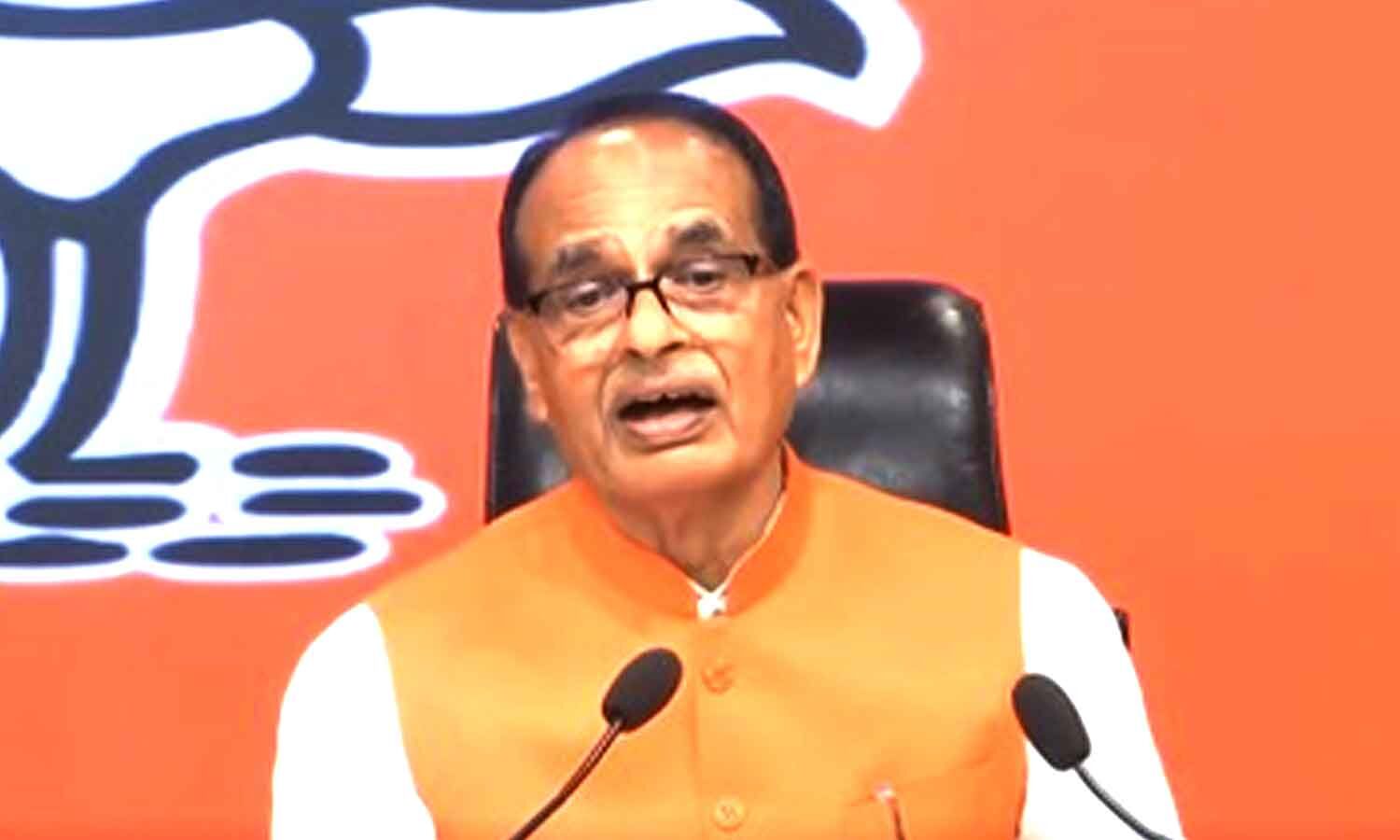
Shivraj Singh Chouhan Attacks Congress After Electoral Defeats, Alleges Confusion
BJP Questions INDIA Bloc Unity Over Rahul Gandhi Leadership

BJP Calls INDIA Bloc SIR Meeting Rahul Gandhi Relaunch Attempt